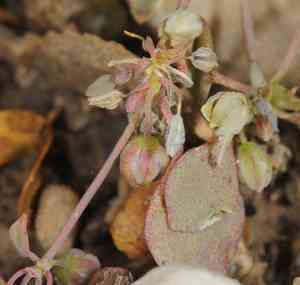
Thickleaf drymary (Drymaria pachyphylla)
Also known as: None known
The Thickleaf drymary (Drymaria glandulosa) exhibits several adaptations for surviving in dry environments. Its succulent leaves are designed to store water, ensuring the plant can withstand extended droughts. The plant also features a deep root system that taps into moisture well below the soil surface. Additionally, a waxy coating on the leaves helps to minimize water loss by reducing evaporation. These combined traits enable the Thickleaf drymary to conserve water efficiently and thrive in arid landscapes.
In This Article
Attributes of Thickleaf drymary
Lifespan
Annual
Plant Type
Herb
Plant Height
Typically very low-growing, less than 20 cm (8 inches)
Spread
Can spread to cover ground area significantly due to its creeping nature
Leaf Color
Green
Flower Size
Approximately 5-10 mm
Flower Color
White
Images of Thickleaf drymary
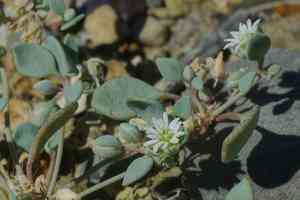
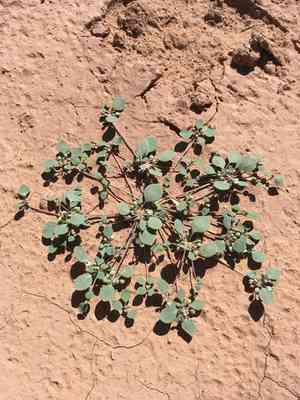
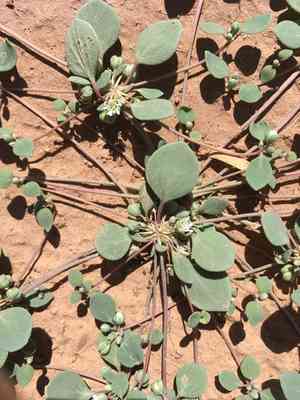
Quickly Identify Thickleaf drymary
1
Drymaria pachyphylla can be identified by its small, often clustered, white flowers and its generally low-growing, creeping habit. The leaves are usually thick and fleshy, indicative of its species name \'pachyphylla\' which suggests thick leaves.
Scientific Classification of Thickleaf drymary
Phylum
Vascular plants
Class
Dicotyledons
Order
Caryophyllales
Family
Pink
Genus
Drymaria
Species
Thickleaf drymary
Planting and Growing of Thickleaf drymary
Care Difficulty
Moderate
Watering Schedule
Every 2 days
Sunlight Requirements
Full shade
Sunshine Duration
8-12 hours
Ideal Temperature
60-75℉
Soil Type
Potting Mix, Peat Mix
Soil pH
6.5-7.5
Fertilizer Type
Balanced
Pruning Season
Spring, Summer
Pruning Area
Branches, Leaves
Pruning Frequency
2 times a year
Repotting Season
Spring
Pot Type
Ceramic, Plastic
 How to Water Thickleaf drymary?
Watering Drymaria pachyphylla involves understanding its natural habitat. This plant prefers moderate moisture, meaning you should water it until the soil is moist but not soggy. The goal is to ensure that water penetrates deeply into the soil, reaching the roots without leaving any standing water. Aim to water in such a way that excess water can drain freely.
What are the symptoms of an underwatered Thickleaf drymary?
›
What should I do if my Thickleaf drymary is not getting enough water?
›
What are the symptoms of an overwatered Thickleaf drymary?
›
How to save an overwatered Thickleaf drymary?
›
 What Are the Sunlight Requirements for Thickleaf drymary?
Drymaria pachyphylla flourishes in semi-shaded environments, much like understorey conditions in nature. Ideal light conditions promote proper physiological functions, encouraging lively foliage and reducing stress.
What is the optimal lighting environment for Drymaria pachyphylla?
›
How can you ensure Drymaria pachyphylla receives ideal lighting?
›
What benefits does ideal lighting provide for Drymaria pachyphylla?
›
 What Is the Ideal Temperature Range for Thickleaf drymary?
The ideal temperature range for Drymaria pachyphylla is between 60°F and 75°F. This range ensures optimal growth by maintaining the plant's metabolic and physiological processes efficiently. Within this temperature bracket, the plant can effectively photosynthesize and absorb nutrients, leading to robust health and vibrant growth. It's vital to ensure temperatures consistently stay within this range for the best results.
 What Soil is Best for Thickleaf drymary?
Drymaria pachyphylla thrives best in well-draining soils like loam and sandy loam. These soils prevent waterlogging, ensuring roots have access to oxygen and reducing the risk of root rot, promoting healthier growth. While this plant does not demand highly fertile soil, a moderate nutrient level is appreciated. Loamy soils typically provide a balanced mix of sand, silt, and clay, offering sufficient nutrients that support vigorous foliage growth. Although Drymaria pachyphylla prefers well-drained conditions, maintaining some soil moisture is crucial, especially in sandy loam, which aids in retaining enough humidity to keep roots hydrated without causing water stress.
 How to Fertilize Thickleaf drymary?
When fertilizing Drymaria pachyphylla, it is important to use a balanced fertilizer diluted to half strength. For liquid fertilizer, apply approximately 5-10 milliliters per liter of water. For slow-release fertilizers, 5 grams per plant annually is sufficient. This ensures the plant receives enough nutrients without the risk of over-fertilization.
 How to Prune Thickleaf drymary?
When pruning Drymaria pachyphylla, always ensure your cutting tools are clean to avoid disease transmission. Sterilize them before and after use. Avoid pruning during the hottest part of the day to prevent plant stress. Additionally, watch out for any signs of pests or infections while pruning, so you can address them immediately. Ensure you discard any pruned material properly, as leaving it around the plant can harbor pests or diseases.
More About Pruning Techniques→
 How to Propagate Thickleaf drymary plant?
1
Begin by collecting mature seeds from the plant. Soak them in water for 24 hours to soften the seed coat, which enhances germination.
2
Fill seed trays with a seed-starting mix. Sow seeds evenly and cover lightly with soil. Water gently and place trays in a warm, well-lit area.
3
Choose healthy stems and use a sharp knife to cut 4-6 inch sections. Remove the lower leaves and dip the cut ends in rooting hormone before planting them in a soil mix.
 How to Repot Thickleaf drymary plant?
1
Look for signs such as roots emerging from drainage holes, stunted growth, or soil drying out too quickly. These indicate that the plant might need more space or fresh soil to thrive. Repotting during the growing seasons of spring or summer gives Drymaria pachyphylla the best chance to acclimate and expand in its new environment.
2
Select a pot that is only slightly larger than the current one. This helps prevent overwatering and encourages proper root growth. Terracotta pots are a great choice as they allow better air movement through the sides, preventing root rot and promoting a healthier root system.
3
Opt for a well-draining soil mix to prevent waterlogging. A mix containing sand, perlite, and organic matter like peat or compost provides excellent drainage and nutrient retention. This supports the plant's need for both moisture and aeration.
Learn More About Thickleaf drymary Diseases
Anthracnose
Bacterial Leaf Spot
Bacterial Soft Rot
Bacterial Wilt
Crown Gall
Cyst Nematode
Damping-off
Downy Mildew
Fusarium Wilt
Gray Mold
Leaf Spot
Mosaic
Powdery Mildew
Root Rot
Root-knot Nematode
Rusts
Sooty Mold
White Mold
Chemical Injury
Drought Stress
Nutrient Deficiency
Nutrient Toxicity
Spider Mites
Temperature Stress
Thrips Damage


