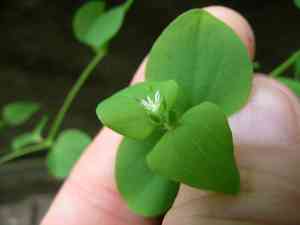
Tropical chickweed (Drymaria cordata)
Also known as: West indian chickweed, Drymaria
Cleavers (Galium aparine) is a plant known for its sticky seeds and flowers, making it easy for the plant to cling to clothing and fur. It's a prevalent lawn weed in North America. Additionally, tea and coffee farmers in Asia and Africa use cleavers for effective erosion control.
In This Article
Attributes of Tropical chickweed
Lifespan
Annual, Perennial, Biennial
Plant Type
Herb
Plant Height
15 cm to 30 cm
Spread
30 cm to 45 cm
Leaf Color
Green
Flower Size
2.5 cm
Flower Color
White Green
Images of Tropical chickweed
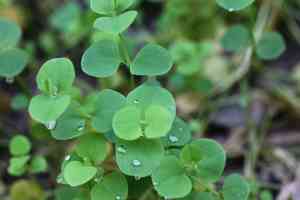
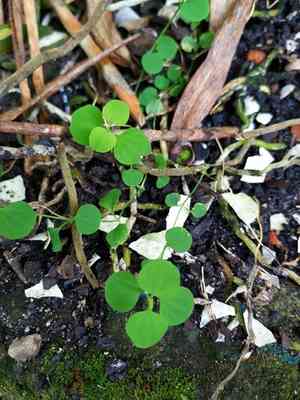
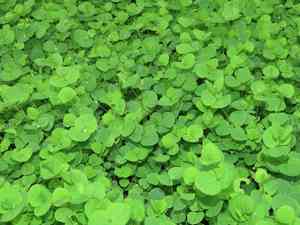
Quickly Identify Tropical chickweed
1
This plant can be identified by its thin, prostrate stems which root at the nodes, its small, opposite leaves with prominent veins, and clusters of tiny, white, star-shaped flowers.
Scientific Classification of Tropical chickweed
Phylum
Vascular plants
Class
Dicotyledons
Order
Pinks, cacti, and allies
Family
Pink
Genus
Drymaria
Species
Tropical chickweed
Planting and Growing of Tropical chickweed
Care Difficulty
Easy
Watering Schedule
Every 3 days
Sunlight Requirements
Partial sun
Sunshine Duration
4-6 hours
Ideal Temperature
65-75℉
Soil Type
Potting Mix, Peat Mix
Soil pH
6.5-7.5
Fertilizer Type
Balanced
Pruning Season
Spring, Summer
Pruning Area
Branches, Leaves
Pruning Frequency
2 times a year
Repotting Season
Spring
Pot Type
Plastic, Ceramic
 How to Water Tropical chickweed?
When watering Drymaria cordata, ensure the soil is thoroughly moist but not waterlogged. Aim for about 200 ml per watering, just enough to moisten the top few inches of soil. The principle is to hydrate without drowning the roots, so always check if the surface soil is dry before the next watering to avoid overwatering.
What are the symptoms of an underwatered Tropical chickweed?
›
What should I do if my Tropical chickweed is not getting enough water?
›
What are the symptoms of an overwatered Tropical chickweed?
›
How to save an overwatered Tropical chickweed?
›
 What Are the Sunlight Requirements for Tropical chickweed?
Drymaria cordata ideally requires partial sun to full shade conditions. In these environments, the plant benefits by maintaining lush foliage, optimal growth rate, and minimizes stress-related issues.
How much light does Drymaria cordata need?
›
What are the solutions to achieve ideal lighting?
›
What are the benefits of ideal lighting?
›
 What Is the Ideal Temperature Range for Tropical chickweed?
The ideal temperature range for Drymaria cordata is between 65°F to 75°F. This range ensures optimal growth and health of the plant. At these temperatures, the plant can photosynthesize efficiently, which supports robust growth and vibrant foliage. It is important to maintain this range consistently, as fluctuations can lead to stress, affecting the overall vitality of the plant.
 What Soil is Best for Tropical chickweed?
Drymaria cordata thrives in nutrient-rich soil, which provides essential nutrients for robust growth and vibrant foliage. Such soil ensures the plant receives adequate minerals essential for its physiological functions, thereby enhancing its growth rate. This species prefers soil that drains well to prevent waterlogging. Proper drainage prevents root rot by ensuring excess water doesn't accumulate around the plant roots, while also maintaining necessary moisture levels. While good drainage is crucial, Drymaria cordata also needs soil that can retain some moisture. This balance ensures that the plant has access to water during dry spells without suffering from the ill effects of over-saturation.
 How to Fertilize Tropical chickweed?
For Drymaria cordata, apply a light amount of fertilizer. Use approximately 1/4 to 1/2 teaspoon of balanced liquid fertilizer mixed in a gallon of water per session. Be cautious not to overwhelm the plant with excessive nutrients.
 How to Prune Tropical chickweed?
Begin by identifying dead or diseased stems and carefully removing them at the base. Avoid cutting into the healthy tissue. Next, trim any overly long or straggly stems to maintain a compact shape. Be mindful to avoid cutting too much at once; generally, removing no more than a third of the plant is recommended. For optimal aesthetics and health, regularly assess the shape of Drymaria cordata. Focus on encouraging evenly spaced branches and removing any cross or tangled growth to allow better air circulation and light penetration. After pruning, collect and dispose of plant debris and fallen stems. This practice helps prevent disease spread and keeps the growing environment clean and conducive for the plant's health.
 How to Propagate Tropical chickweed plant?
1
Select a healthy, mature plant with no signs of disease or pests. Water it a day before taking cuttings or collecting seeds to ensure it is well-hydrated and robust for propagation.
2
Using sharp pruning shears, cut a 4-6 inch stem section from a non-flowering shoot. Remove the lower leaves to expose nodes and place the cutting in water or a rooting hormone mixture.
3
Fill a seed tray with a well-draining seed-starting mix. Sow the seeds on the surface and cover lightly with a layer of soil. Mist lightly and cover with a plastic dome until germination occurs.
 How to Repot Tropical chickweed plant?
1
Look for signs like roots emerging from drainage holes or compacted soil, which suggest the plant needs more room. The plant should be moved to a larger pot in spring or summer for optimal growth.
2
Opt for a pot that is 1-2 inches larger in diameter than the current one, with proper drainage holes to prevent waterlogging. Choosing a pot of suitable size helps in accommodating root growth without causing stress.
3
Pick a well-draining loamy mixture that balances moisture retention and drainage. This soil type ensures roots get enough air and prevents rot, offering a stable environment for growth.
Learn More About Tropical chickweed Diseases
Anthracnose
Bacterial Leaf Spot
Bacterial Wilt
Chemical Injury
Damping-off
Downy Mildew
Drought Stress
Fusarium Wilt
Gray Mold
Leaf Curl
Leaf Spot
Mosaic
Nutrient Deficiency
Nutrient Toxicity
Powdery Mildew
Root Rot
Root-knot Nematode
Rusts
Sooty Mold
Spider Mites
Temperature Stress
Thrips Damage
White Mold



