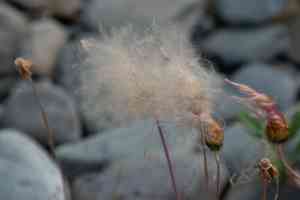
Mountain avens (Dryas) (Dryas)
Also known as: Mountain Avens, White Dryas
Mountain avens are low-growing, evergreen shrubs known for their mat-forming habit. Featuring distinctive eight-petaled flowers, these plants are often used in xeriscaping and rock gardens. Some varieties have earned notable gardening awards. The genus name, Dryas, is inspired by the dryads, tree nymphs from Greek mythology.
In This Article
Attributes of Mountain avens (Dryas)
Lifespan
Perennial
Plant Height
5-10 cm
Spread
Up to 50 cm
Leaf Color
Dark green with silvery undersides
Flower Size
2-4 cm
Flower Color
White or yellow
Images of Mountain avens (Dryas)
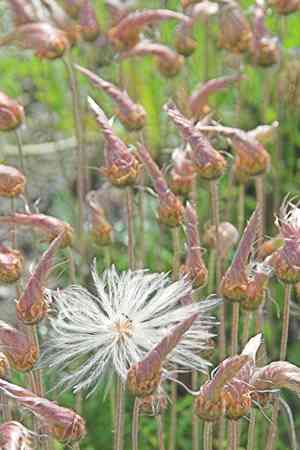
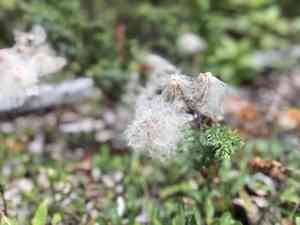
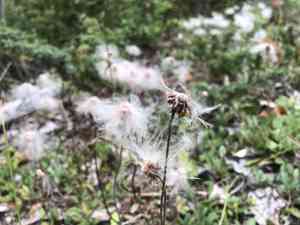
Quickly Identify Mountain avens (Dryas)
1
Dryas can be identified by its leathery, dark green, evergreen leaves with silvery undersides, and white or yellow flowers that are typically open-faced and resemble a single rose petal. The plants form low, dense mats close to the ground.
Scientific Classification of Mountain avens (Dryas)
Phylum
Tracheophyta
Class
Magnoliopsida
Order
Rosales
Family
Rosaceae
Genus
Dryas
Planting and Growing of Mountain avens (Dryas)
Care Difficulty
Moderate
Watering Schedule
Every 2 days
Sunlight Requirements
Full sun
Sunshine Duration
4-8 hours
Ideal Temperature
50-68℉
Soil Type
Potting Mix, Peat Mix
Soil pH
6.5-7.5
Fertilizer Type
Balanced
Pruning Season
Spring, Summer
Pruning Area
Branches, Leaves
Pruning Frequency
2 times a year
Repotting Season
Spring
Pot Type
Plastic, Ceramic
 How to Water Mountain avens (Dryas)?
Dryas prefers a moderate watering regime. When watering, aim for about 200 ml per session to ensure the soil is adequately moist but not waterlogged. Water until the top couple of inches of soil are damp but not soggy.
What are the symptoms of an underwatered Mountain avens (Dryas)?
›
What should I do if my Mountain avens (Dryas) is not getting enough water?
›
What are the symptoms of an overwatered Mountain avens (Dryas)?
›
How to save an overwatered Mountain avens (Dryas)?
›
 What Are the Sunlight Requirements for Mountain avens (Dryas)?
Full sun preferred, partial sun tolerated. Ideal sunlight fosters rich foliage and abundant blooming, ensuring robust and healthy Dryas plants.
How much sun does Dryas need?
›
What can you do to ensure optimal lighting for Dryas?
›
How does optimal light benefit Dryas?
›
 What Is the Ideal Temperature Range for Mountain avens (Dryas)?
Dryas plants thrive best in cooler temperate environments where temperatures range between 50°F and 68°F. This range allows for optimal photosynthesis and growth, ensuring the plant develops strong foliage and blooms.
 What Soil is Best for Mountain avens (Dryas)?
Dryas plants require well-drained soil to thrive. This condition helps prevent root rot and ensures that the plant can absorb nutrients effectively. Avoiding waterlogged soil is crucial for the healthy growth of Dryas. Dryas prefers soil with moderate nutrients. Overly rich soil can lead to excessive vegetative growth, which may weaken the plant's structure. A balanced nutrient level supports steady growth and vibrant flowers. With a preference for slightly acidic to neutral pH levels, maintaining soil pH between 6.5 and 7.5 is ideal for Dryas. This range ensures optimal nutrient uptake and supports the plant's overall health.
 How to Fertilize Mountain avens (Dryas)?
For Dryas, it's crucial not to over-fertilize. Typically, you should use half of the recommended amount on the fertilizer package. This ensures that the plant receives nutrients without the risk of nutrient burn. Always dilute liquid fertilizers and use sparingly solid forms to avoid excess.
 How to Prune Mountain avens (Dryas)?
In early spring, once the frost has passed, start by removing dead or damaged branches. Trim the plant to improve circulation and remove any crossing branches to help shape the plant. After the flowering season in late summer, prune back the faded flowers. This not only keeps the plant neat but also encourages further blooming by redirecting the plant’s energy.
 How to Propagate Mountain avens (Dryas) plant?
1
Sow Dryas seeds in a seed tray filled with a well-draining potting mix. Cover lightly with soil and water gently. Maintain consistent moisture until germination occurs.
2
Choose healthy stems and cut at a 45-degree angle using sterilized shears. Remove lower leaves and dip cut end in rooting hormone before planting in a suitable medium.
3
In early spring, divide established Dryas plants by carefully separating the clumps. Ensure each division has sufficient roots and replant immediately to reduce stress.
 How to Repot Mountain avens (Dryas) plant?
1
Dryas typically signals its need for repotting when its roots begin to outgrow the current pot, visible through drainage holes, or if water drainage becomes sluggish. Spring and summer are optimal seasons to embark on this task when the plant's growth is at its peak.
2
Opt for a pot only slightly larger than the current one, focusing on those with adequate drainage holes. The right choice prevents waterlogging and promotes root health by ensuring proper airflow and moisture balance, vital for Dryas' vigor.
3
Selecting a well-draining, sandy soil mimics Dryas' native alpine environment, preventing root rot while facilitating nutrient access. This composition balances moisture retention and aeration, supporting the robust growth Dryas is known for.

