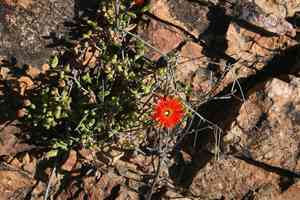
Royal dewflower (Drosanthemum speciosum)
Also known as: Orange dewfig
The **Ice Plant** is a succulent celebrated for its glistening, dew-kissed leaves and striking floral display. Perfectly suited to arid environments, its thick, fleshy leaves retain water, allowing it to endure drought conditions. In spring, the Ice Plant transforms into a vibrant spread of bright magenta flowers, drawing pollinators and bringing a vivid splash of color to dry regions.
In This Article
Attributes of Royal dewflower
Lifespan
Perennial
Plant Type
Herb, Shrub
Plant Height
40 cm
Spread
30 cm
Leaf Color
Green
Flower Size
2-4 cm
Flower Color
Red Orange
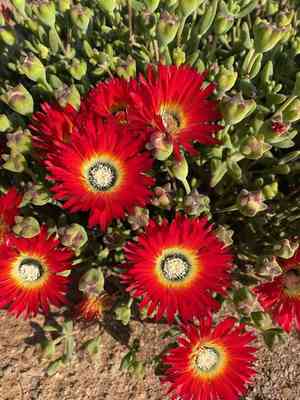
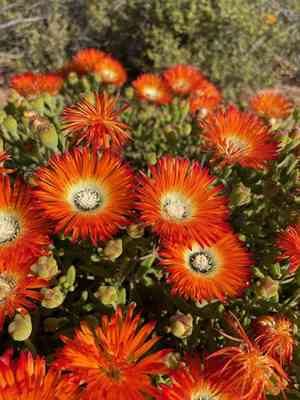
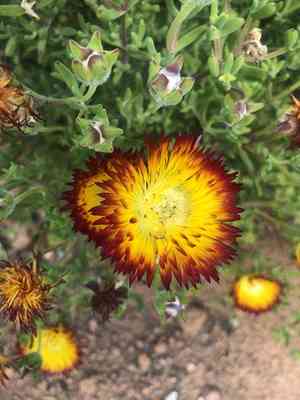
Images of Royal dewflower
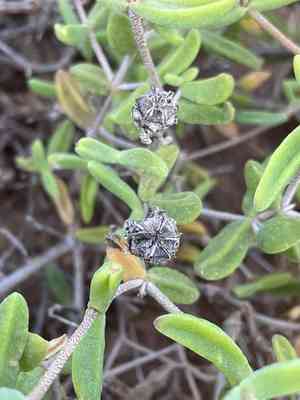
Quickly Identify Royal dewflower
1
Semi-woody subshrub, up to 2 1/2 feet (75 cm) tall
2
Tubular, succulent green leaves, 3/4 inch (2 cm) long
3
Orange-red flowers with lighter center and dark stamen filaments
4
Blooms from late spring to summer, opening mid-morning to afternoon
5
Thrives in full to partial sunlight, tolerates down to 25°F (-4°C)
Scientific Classification of Royal dewflower
Phylum
Vascular plants
Class
Dicotyledons
Order
Caryophyllales
Family
Fig-marigold
Genus
Drosanthemum
Species
Royal dewflower
Planting and Growing of Royal dewflower
Care Difficulty
Easy
Watering Schedule
Every 2 days
Sunlight Requirements
Full sun
Sunshine Duration
6-10 hours
Ideal Temperature
60-75℉
Soil Type
Potting Mix, Peat Mix
Soil pH
6.5-7.5
Fertilizer Type
Balanced
Pruning Season
Spring, Summer
Pruning Area
Branches, Leaves
Pruning Frequency
2 times a year
Repotting Season
Spring
Pot Type
Plastic, Ceramic
 How to Water Royal dewflower?
For Drosanthemum speciosum, a general principle is to water deeply but infrequently. Ensure that the water penetrates at least 15-20 cm deep into the soil to allow the roots to absorb moisture effectively. Each watering should provide around 150 milliliters, checking that the soil is dry before reapplying.
What are the symptoms of an underwatered Royal dewflower?
›
What should I do if my Royal dewflower is not getting enough water?
›
What are the symptoms of an overwatered Royal dewflower?
›
How to save an overwatered Royal dewflower?
›
 What Are the Sunlight Requirements for Royal dewflower?
This plant thrives best in full sun to partial sun, receiving 6-8 hours of direct light daily. Adequate light results in enhanced flower production and a healthier, more resilient plant overall.
What is the ideal lighting condition for Drosanthemum speciosum?
›
How can you achieve the ideal lighting for this plant?
›
What benefits does the ideal lighting provide?
›
 What Is the Ideal Temperature Range for Royal dewflower?
The ideal temperature range for Drosanthemum speciosum is between 60°F and 75°F. Maintaining this range ensures optimal growth and flowering, as it mimics the plant's natural habitat in South Africa. Temperatures in this range promote vibrant color and strong health.
 What Soil is Best for Royal dewflower?
Drosanthemum speciosum thrives in soil that allows water to percolate easily, preventing root rot and other moisture-related issues. A well-drained substrate ensures that the roots get enough air, enhancing plant growth and health. While this plant is not highly demanding in terms of nutrient content, a soil with moderate fertility supports vibrant flower production and overall vigor. Avoid extremely rich soils to prevent overgrowth and diminished flowering. A light soil texture, such as sandy loam, allows for easy root penetration and spread. This, in turn, ensures that the plant can anchor well and access nutrients and moisture efficiently.
 How to Fertilize Royal dewflower?
For Drosanthemum speciosum, it is crucial to avoid over-fertilizing. Use a balanced 10-10-10 liquid fertilizer at half strength. Typically, apply around 1/2 to 1 teaspoon of liquid fertilizer diluted per gallon of water.
 How to Prune Royal dewflower?
Begin by inspecting the plant and identifying any dead, diseased, or damaged stems or leaves. These should be the first to be removed to prevent any potential spread of disease. Drosanthemum speciosum can become leggy if left unchecked. Trim back long stems to promote a denser and bushier appearance, ensuring you cut just above a node to encourage new growth. Gently shape the plant to maintain its form and encourage even growth. Make balanced cuts around the entire plant, stepping back occasionally to assess its overall shape and symmetry.
 How to Propagate Royal dewflower plant?
1
Harvest seeds from mature Drosanthemum speciosum plants when the seed heads are dry. Ensure the seeds are completely dry before storing or planting to prevent mold.
2
Cut a healthy stem about 4-6 inches long, preferably from new growth. Remove the lower leaves and let the cuttings dry for a day to form a callus before planting.
3
Fill pots with well-draining soil and sow seeds lightly on the surface. For cuttings, insert the cut end into the soil. Keep the soil moist but not waterlogged.
 How to Repot Royal dewflower plant?
1
Repot Drosanthemum speciosum when you notice roots poking out of the drainage holes, indicating it's become root-bound. A slow in growth or the inability to retain moisture might also hint at the need for repotting. Spring and Autumn are ideal times due to moderate temperatures and active plant growth.
2
Choose a pot that is slightly larger than the current one to allow for root expansion, but not excessively large to prevent water retention and root rot. The pot should have sufficient drainage holes to prevent waterlogging, essential for the plant’s succulent nature.
3
Opt for a well-draining gritty mix, combining components like sand, perlite, and potting soil. This soil will ensure that excess water quickly drains away, mimicking the plant’s native arid conditions and preventing root rot.
Learn More About Royal dewflower Diseases
Bacterial Leaf Spot
Bacterial Soft Rot
Crown Gall
Damping-off
Downy Mildew
Drought Stress
Fusarium Wilt
Gray Mold
Leaf Spot
Mosaic
Nutrient Deficiency
Nutrient Toxicity
Powdery Mildew
Root Rot
Root-knot Nematode
Rusts
Sooty Mold
Spider Mites
Temperature Stress
Thrips Damage
White Mold
Chemical Injury



