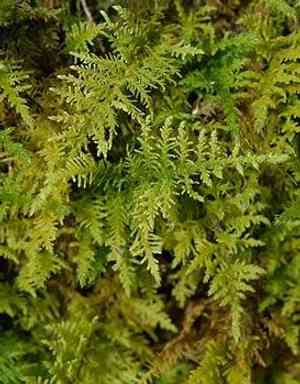
Drepanocladus moss (Drepanocladus) (Drepanocladus)
Also known as: Drepanocladus moss
Drepanocladus is a genus of mosses belonging to the family Amblystegiaceae. These mosses are typically found in wet and marshy environments.
In This Article
Attributes of Drepanocladus moss (Drepanocladus)
Lifespan
Perennial
Plant Height
1-10 cm
Spread
N/A
Leaf Color
Green
Flower Size
N/A
Flower Color
N/A
Images of Drepanocladus moss (Drepanocladus)
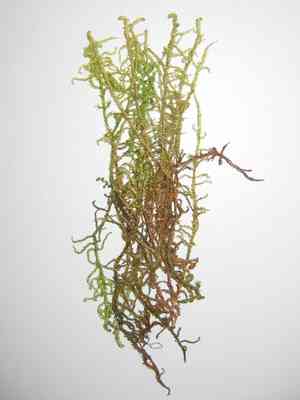
Quickly Identify Drepanocladus moss (Drepanocladus)
1
To identify Drepanocladus, look for its elongated stems, densely packed leaves that curve slightly, and typically lush, green appearance. They often form dense mats on the soil surface.
Scientific Classification of Drepanocladus moss (Drepanocladus)
Phylum
Bryophyta
Class
Bryopsida
Order
Hypnales
Family
Amblystegiaceae
Genus
Drepanocladus
Planting and Growing of Drepanocladus moss (Drepanocladus)
Care Difficulty
Moderate
Watering Schedule
Every 2 days
Sunlight Requirements
Partial sun
Sunshine Duration
6-10 hours
Ideal Temperature
50-77℉
Soil Type
Potting Mix, Peat Mix
Soil pH
6.5-7.5
Fertilizer Type
Balanced
Pruning Season
Spring, Summer
Pruning Area
Branches, Leaves
Pruning Frequency
2 times a year
Repotting Season
Spring
Pot Type
Plastic, Ceramic
 How to Water Drepanocladus moss (Drepanocladus)?
For Drepanocladus, you should aim to maintain a moist environment without waterlogging the soil. Approximately 200ml per watering is sufficient to keep the soil evenly moist. Ensure water seeps slowly to reach deeper roots without pooling on the surface.
What are the symptoms of an underwatered Drepanocladus moss (Drepanocladus)?
›
What should I do if my Drepanocladus moss (Drepanocladus) is not getting enough water?
›
What are the symptoms of an overwatered Drepanocladus moss (Drepanocladus)?
›
How to save an overwatered Drepanocladus moss (Drepanocladus)?
›
 What Are the Sunlight Requirements for Drepanocladus moss (Drepanocladus)?
Partial sun suits Drepanocladus best, fostering optimal health and growth. Ideal light allows balanced energy absorption, promoting lush foliage and vigorous expansion while minimizing risk of distress.
What is the ideal environment for Drepanocladus?
›
How can I ensure my Drepanocladus gets the right light?
›
Why is proper lighting important for Drepanocladus?
›
 What Is the Ideal Temperature Range for Drepanocladus moss (Drepanocladus)?
For Drepanocladus to thrive optimally, it is best to maintain indoor or controlled environment temperatures between 50°F to 77°F. This range supports its metabolic processes, ensuring efficient nutrient uptake and photosynthesis, essential for its growth and vitality.
 What Soil is Best for Drepanocladus moss (Drepanocladus)?
Drepanocladus thrives in soil that maintains moisture without becoming waterlogged. It helps the plant sustain its growth and remain healthy, especially in dry spells. Soil rich in organic matter supports Drepanocladus by providing essential nutrients. This nutrient-rich environment fosters robust growth and enhances the plant's overall vigor. Good drainage is crucial for Drepanocladus to prevent root rot. Ensuring excess water can escape promotes a healthy root system and avoids the adverse effects of excess moisture.
 How to Fertilize Drepanocladus moss (Drepanocladus)?
Drepanocladus, like many mosses, requires a balanced approach to fertilization. It typically requires a low concentration of nutrients, with about 1/4 strength of a regular plant fertilizer being adequate. Over-fertilization can lead to negative effects, so caution is essential.
 How to Prune Drepanocladus moss (Drepanocladus)?
Begin by inspecting the plant for dead or damaged fronds, which need to be removed immediately to maintain plant health. Use clean, sharp scissors or pruning shears to make cuts just above a node or lateral branch, ensuring the cuts are clean to prevent infections. Focus on encouraging new growth by trimming back overly long stems to the desired length, which will encourage bushier growth. Ensure to remove any accumulated debris around the base to allow for unobstructed fresh growth.
 How to Propagate Drepanocladus moss (Drepanocladus) plant?
1
Remove any debris and prepare a flat surface to replant the divided sections. Ensuring the planting area is well-drained is critical for successful establishment.
2
Using a spade, carefully dig around the moss, ensuring you don't damage the root system. This helps in ensuring the plant remains healthy post-division.
3
Place the divided sections into the prepared area. Ensure they are firmly placed in the soil without burying them too deep, allowing them to establish roots quickly.
 How to Repot Drepanocladus moss (Drepanocladus) plant?
1
Drepanocladus needs repotting when you notice roots coming out of the pot's drainage holes, or when the plant appears to be outgrowing its current container. Another sign can be the compaction of soil, which restricts effective water drainage.
2
Opt for a pot that is slightly larger than the current one to allow room for root expansion. Good drainage is essential, so ensure the pot has ample drainage holes. This prevents waterlogging, which can lead to root rot, ensuring a healthy plant environment.
3
Choose a soil that retains moisture but remains well-draining, such as a mix designed for acid-loving plants. This ensures the roots stay hydrated but not waterlogged, simulating the plant's natural habitat conditions.

