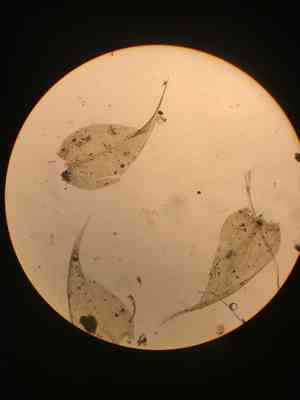
Drepanocladus moss (Drepanocladus aduncus)
Also known as: Hooked Drepanocladus Moss
Drepanocladus moss flourishes in moist, nutrient-rich areas such as fens, marshes, and wet meadows. Its distinctive curved leaves help it attach to substrates in these waterlogged environments. The moss, with its feathery green to yellow-green foliage, is essential for water retention and provides a habitat for small invertebrates and microorganisms. It is commonly found in the cool, soft-water regions of northern peatlands and along stream edges, where it forms dense, lush carpets that aid in soil stabilization and nutrient cycling.
In This Article
Attributes of Drepanocladus moss
Lifespan
Perennial
Plant Type
Moss
Plant Height
Up to 10 cm
Spread
Not applicable
Leaf Color
Light green to yellow-green
Flower Size
Not applicable
Flower Color
Not applicable
Images of Drepanocladus moss
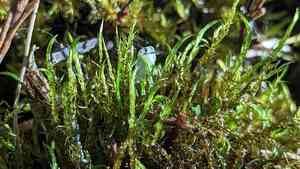
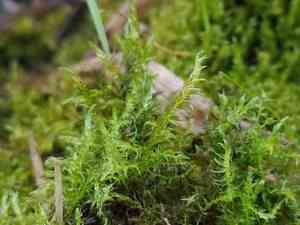
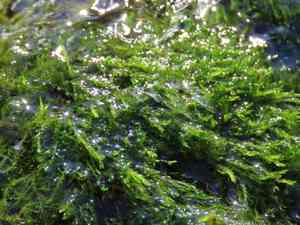
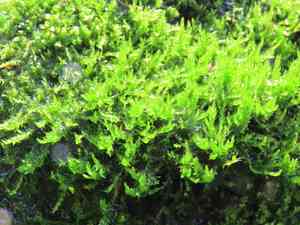
Quickly Identify Drepanocladus moss
1
This moss can be identified by its hook-shaped branches and light green to yellow-green color. Its leaves are curved and taper to a point, and it typically forms dense, carpet-like mats.
Scientific Classification of Drepanocladus moss
Phylum
Mosses
Class
True mosses
Order
Hypnales
Family
Amblystegiaceae
Genus
Drepanocladus moss
Species
Drepanocladus moss
Planting and Growing of Drepanocladus moss
Care Difficulty
Easy
Watering Schedule
Every 2 days
Sunlight Requirements
Partial sun
Sunshine Duration
4-6 hours
Ideal Temperature
59-77℉
Soil Type
Potting Mix, Peat Mix
Soil pH
5.5-7
Fertilizer Type
Balanced
Pruning Season
Spring, Summer
Pruning Area
Branches, Leaves
Pruning Frequency
2 times a year
Repotting Season
Spring
Pot Type
Plastic, Ceramic
 How to Water Drepanocladus moss?
For Drepanocladus aduncus, the watering amount should be about 200 milliliters per session. This plant thrives in moist conditions, so ensure the soil feels evenly moist but not waterlogged. Always aim for moisture that penetrates deep into the soil to reach the root system effectively.
What are the symptoms of an underwatered Drepanocladus moss?
›
What should I do if my Drepanocladus moss is not getting enough water?
›
What are the symptoms of an overwatered Drepanocladus moss?
›
How to save an overwatered Drepanocladus moss?
›
 What Are the Sunlight Requirements for Drepanocladus moss?
Partial sun is ideal, offering 3 to 4 hours of light. This balance aids essential physiological processes, promoting vigorous health and lush growth in Drepanocladus aduncus.
What is the best lighting for Drepanocladus aduncus?
›
How can I achieve this ideal lighting?
›
Why is this light condition beneficial?
›
 What Is the Ideal Temperature Range for Drepanocladus moss?
The ideal temperature range for cultivating Drepanocladus aduncus is between 59°F and 77°F. This temperature range ensures optimal metabolic activity and growth, supporting the plant's physiological processes. Such conditions typically replicate the cool and moderate climates where this plant naturally thrives.
 What Soil is Best for Drepanocladus moss?
Peat soils are excellent at retaining moisture, which is essential for Drepanocladus aduncus as it thrives in consistently damp conditions. The spongy nature of peat helps maintain stable moisture levels. Sandy loam is ideal for providing a balance of aeration and fertility, ensuring that essential nutrients are accessible to the plant's root system, aiding in robust growth and development. Slightly acidic soils ensure that Drepanocladus aduncus can absorb the nutrients it needs. A pH range of 5.5 to 7.0 accommodates the plant's requirement for acid-loving environments.
 How to Fertilize Drepanocladus moss?
For Drepanocladus aduncus, apply a dilute liquid fertilizer at half the recommended strength. This moss-like plant thrives in low-nutrient environments, so over-fertilizing can harm it. Careful measurement ensures optimal growth without damaging delicate tissues.
 How to Prune Drepanocladus moss?
Recognize the natural growth pattern of Drepanocladus aduncus, which tends to form a feathery mat. When pruning, try to maintain this pattern to ensure the plant remains healthy and aesthetically pleasing. While pruning is important, doing it excessively can stress the plant. Always leave ample healthy tissue and avoid cutting more than one-third of the moss at any one time, which can impair its growth. After pruning, monitor the environmental conditions. Ensure that the plant is not exposed to harsh direct sunlight or extreme dry conditions, as this can hinder recovery and further growth of the pruned sections.
 How to Propagate Drepanocladus moss plant?
1
Choose healthy and robust clumps of Drepanocladus aduncus for division, ensuring they show vibrant green coloration and strong growth. This initial step is vital to ensure that the new divisions have the best chance for successful establishment.
2
Gently water the moss to ensure the substrate and plant are hydrated, which reduces stress during division. Carefully lift the plant with a garden trowel, loosening the surrounding soil or substrate while preserving the root structure.
3
Use a sharp knife to cut the plant into smaller sections, ensuring each section has an adequate amount of rhizoids and foliage. This step requires precision to prevent damage to the delicate moss structures, which can affect regrowth.
 How to Repot Drepanocladus moss plant?
1
Repot Drepanocladus aduncus when the roots fill the pot, or the plant stops growing, indicating a lack of space for further root expansion. Ideal repotting signals include roots circling the pot's interior or emerging from drainage holes.
2
Select a pot slightly larger than the current one, ensuring proper drainage holes. A minimal increase in size prevents overwatering and ensures a balanced moisture level, promoting healthy growth and reducing root rot risks.
3
Opt for a loamy, well-draining soil mix to provide adequate aeration and moisture without becoming waterlogged. This soil type maintains needed nutrients and prevents clumping, creating an optimum environment for moss growth.

