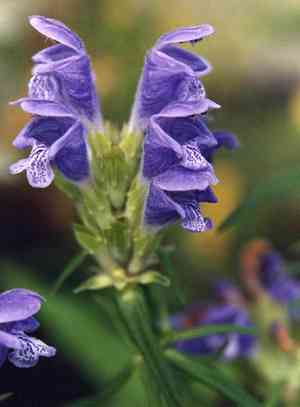
Dracocephalum (Dracocephalum) (Dracocephalum)
Also known as: Dragonhead, Moldavian balm, Moldavian dragonhead
Plants in the genus Dracocephalum, which include about 60 to 70 species, are typically 15 to 90 cm tall. These plants can be annual or perennial herbs or subshrubs and are native to the temperate areas of the Northern Hemisphere.
In This Article
Attributes of Dracocephalum (Dracocephalum)
Lifespan
Perennial
Plant Height
30-90 cm (12-35 inches)
Spread
20-50 cm (8-20 inches)
Leaf Color
Green
Flower Size
1-2 cm (0.4-0.8 inches)
Flower Color
Blue, purple, white
Images of Dracocephalum (Dracocephalum)
Quickly Identify Dracocephalum (Dracocephalum)
1
Dracocephalum can be identified by its square stems, opposite leaves, and spiked inflorescence. The leaves are typically lanceolate to ovate with serrated margins. The flowers are tubular and bilabiate, usually appearing in dense clusters at the tops of the stems.
Scientific Classification of Dracocephalum (Dracocephalum)
Phylum
Magnoliophyta
Class
Magnoliopsida
Order
Lamiales
Family
Lamiaceae
Genus
Dracocephalum
Planting and Growing of Dracocephalum (Dracocephalum)
Care Difficulty
Moderate
Watering Schedule
Every 2 days
Sunlight Requirements
Full sun
Sunshine Duration
4-8 hours
Ideal Temperature
60-75℉
Soil Type
Potting Mix, Peat Mix
Soil pH
6.5-7.5
Fertilizer Type
Balanced
Pruning Season
Spring, Summer
Pruning Area
Branches, Leaves
Pruning Frequency
2 times a year
Repotting Season
Spring
Pot Type
Plastic, Ceramic
 How to Water Dracocephalum (Dracocephalum)?
Dracocephalum thrives when the soil is kept slightly moist but not overly saturated. The guideline is to water approximately 500 ml each time, ensuring that the water seeps through the pot drainage and does not pool at the base. The best practice is to water thoroughly until the topsoil is damp to the touch, but avoid leaving standing water.
What are the symptoms of an underwatered Dracocephalum (Dracocephalum)?
›
What should I do if my Dracocephalum (Dracocephalum) is not getting enough water?
›
What are the symptoms of an overwatered Dracocephalum (Dracocephalum)?
›
How to save an overwatered Dracocephalum (Dracocephalum)?
›
 What Are the Sunlight Requirements for Dracocephalum (Dracocephalum)?
Dracocephalum grows best under partial to full sun conditions. Adequate sunlight ensures healthy blooming, strengthens stems, and improves the plant's overall aesthetic and resilience.
What is the best lighting condition for Dracocephalum?
›
How can I achieve the ideal lighting conditions?
›
What benefits does the ideal lighting provide?
›
 What Is the Ideal Temperature Range for Dracocephalum (Dracocephalum)?
For optimal growth, the Dracocephalum plant thrives best within a temperature range of 60 to 75°F. This range ensures that the plant's metabolic processes function effectively, supporting robust growth, flowering, and overall health. Temperatures within this range promote ideal enzyme activity and photosynthesis rates, vital for the plant's development.
 What Soil is Best for Dracocephalum (Dracocephalum)?
Dracocephalum thrives in well-drained soil, which prevents waterlogging and root rot. Ensuring good drainage is crucial for healthy root development and plant vigor. A nutrient-rich soil provides the essential minerals and nutrients Dracocephalum needs for optimal growth. Use compost or organic matter to boost the soil's fertility for healthier foliage and blooms. Dracocephalum fares well in slightly alkaline conditions, which can help facilitate nutrient absorption. Maintaining a balanced pH supports the roots in accessing the necessary nutrients effectively.
 How to Fertilize Dracocephalum (Dracocephalum)?
For Dracocephalum, the right fertilization balance is crucial. Use a liquid fertilizer diluted to half strength at the recommended frequency. This ensures the plant gets adequate nutrients without overwhelming its roots.
 How to Prune Dracocephalum (Dracocephalum)?
Start by inspecting the Dracocephalum plant for any dead, diseased, or damaged stems. Remove these parts first using sharp, clean pruning shears. Trim back healthy stems by about one-third to encourage new growth. Make cuts just above a set of leaves to promote bushiness. To promote more abundant flowering, regularly deadhead spent blossoms during the growing season. Cut back flowering stems by a few inches after blooms fade to trigger further flowering and maintain a tidy appearance.
 How to Propagate Dracocephalum (Dracocephalum) plant?
1
Choose high-quality, disease-free seeds from reputable sources. This ensures that your plant grows strong and healthy, with a higher rate of successful germination.
2
A well-draining soil mix is crucial for seed propagation. Combine equal parts of coarse sand, perlite, and peat moss, providing necessary drainage and aeration to enhance seedling health.
3
For cutting propagation, select mature stems with no signs of disease. Make a clean cut just below a node, ensuring that each cutting has at least two leaves and is about 3-5 inches long.
 How to Repot Dracocephalum (Dracocephalum) plant?
1
Repot your Dracocephalum when you notice roots growing out of the drainage holes or when the plant seems stifled in growth. Another indicator is the soil drying out extremely fast after watering. The best time for repotting is during the spring or summer, when the plant is in active growth mode and can quickly adapt to new soil.
2
Choose a pot that is just one size larger than the current one. An oversized pot can retain too much moisture, leading to root rot. Ensure the pot has sufficient drainage holes to allow excess water to escape. A well-chosen pot will help regulate moisture levels and support healthy root systems.
3
Use a well-draining potting mix to repot your Dracocephalum. A mix containing perlite, peat moss, and sand is ideal as it prevents waterlogging and ensures adequate aeration. Proper soil choice encourages robust root development and helps prevent root diseases.
Learn More About Dracocephalum (Dracocephalum) Diseases
Anthracnose
Bacterial Leaf Spot
Bacterial Soft Rot
Bacterial Wilt
Black Spot
Chemical Injury
Crown Gall
Cyst Nematode
Damping-off
Downy Mildew
Drought Stress
Fusarium Wilt
Gray Mold
Leaf Curl
Leaf Spot
Mosaic
Nutrient Deficiency
Nutrient Toxicity
Powdery Mildew
Root Rot
Root-knot Nematode
Rusts
Sooty Mold
Spider Mites
Temperature Stress
Thrips Damage
White Mold

