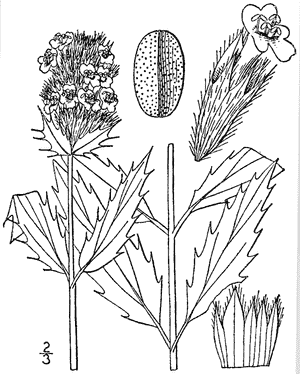
American dragon-head (Dracocephalum parviflorum)
Also known as: American Dragonhead, Dragonhead Mint
According to a recent study, this mint could be commercially utilized as a birdseed crop in Alaska.
In This Article
Attributes of American dragon-head
Lifespan
Annual, Biennial, Perennial
Plant Type
Herb
Plant Height
20 cm to 76 cm
Spread
Varies; typically spreads less than 50 cm
Leaf Color
Green
Flower Size
Approximately 1 cm
Flower Color
White Purple Blue
Images of American dragon-head
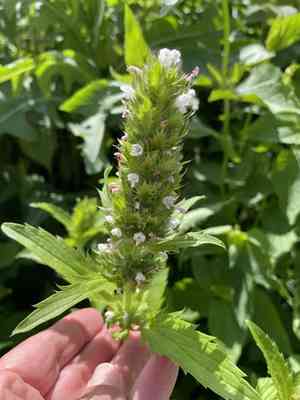
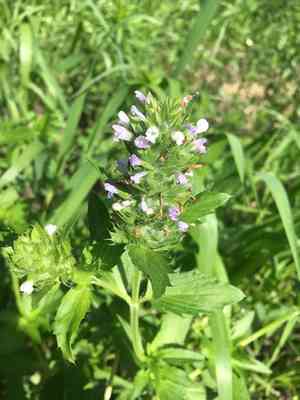
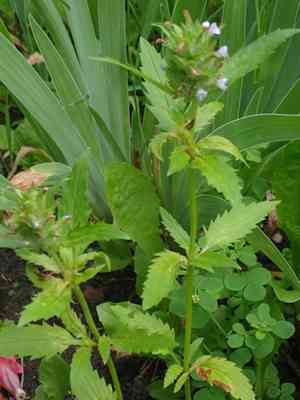
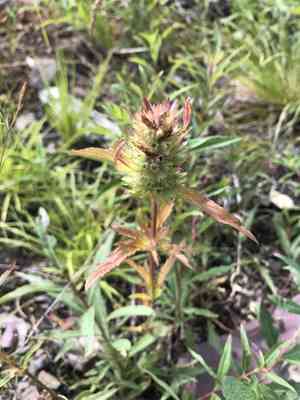
Quickly Identify American dragon-head
1
To identify Dracocephalum parviflorum, look for its square stems, opposite leaves, and small tubular flowers that are typically blue to violet. The plant has a minty aroma when the leaves are crushed.
Scientific Classification of American dragon-head
Phylum
Vascular plants
Class
Dicotyledons
Order
Lamiales
Family
Mint
Genus
Dracocephalum
Species
American dragon-head
Planting and Growing of American dragon-head
Care Difficulty
Easy
Watering Schedule
Every 6 days
Sunlight Requirements
Full sun
Sunshine Duration
4-8 hours
Ideal Temperature
60-75℉
Soil Type
Potting Mix, Peat Mix
Soil pH
6.5-7.5
Fertilizer Type
Balanced
Pruning Season
Spring, Summer
Pruning Area
Branches, Leaves
Pruning Frequency
2 times a year
Repotting Season
Spring
Pot Type
Plastic, Ceramic
 How to Water American dragon-head?
For Dracocephalum parviflorum, water it thoroughly until water runs out of the pot's drainage holes. The key principle is ensuring the soil is consistently moist but not soggy. The amount will fluctuate with environmental conditions, generally around 200 ml per session.
What are the symptoms of an underwatered American dragon-head?
›
What should I do if my American dragon-head is not getting enough water?
›
What are the symptoms of an overwatered American dragon-head?
›
How to save an overwatered American dragon-head?
›
 What Are the Sunlight Requirements for American dragon-head?
Partial to full sun is ideal for Dracocephalum parviflorum. This range supports vigorous growth and maximum blooming potential, as it facilitates adequate energy capture for photosynthesis.
What is the plant's preferred light condition?
›
How to ensure the plant gets ideal lighting?
›
What are the benefits of ideal light conditions?
›
 What Is the Ideal Temperature Range for American dragon-head?
For optimal growth, Dracocephalum parviflorum thrives in moderate climates where temperatures are maintained between 60°F to 75°F. This range is conducive to robust growth and ensures the plant's physiological processes, such as photosynthesis and respiration, occur efficiently. Maintaining temperatures within this band can lead to better flowering and an overall healthy lifecycle.
 What Soil is Best for American dragon-head?
Dracocephalum parviflorum thrives in well-draining soil that prevents waterlogging. Proper drainage ensures air circulation to the roots and helps avoid root rot, promoting robust plant health. The plant prefers soil with moderate fertility. Nutrient-rich soil supports healthy growth and vibrant blossoms. Over-fertilizing can lead to excessive foliage at the expense of flowers. While the soil needs to drain well, it should also retain adequate moisture. This balance keeps the plant hydrated without promoting fungal diseases or causing stress due to drought conditions.
 How to Fertilize American dragon-head?
Dracocephalum parviflorum benefits from a moderate amount of fertilizer. For liquid fertilizer, use about half the recommended dose to avoid nutrient burns. Solid fertilizers can be applied following the package instructions, usually around 10 to 20 grams per square meter.
 How to Prune American dragon-head?
Begin pruning Dracocephalum parviflorum by sterilizing your pruning shears to prevent disease transmission. Focus on removing diseased or damaged stems first, cutting back to a healthy node to encourage regeneration. Trim back any overgrown branches to maintain shape and encourage airflow. To promote a bushier plant, pinch back the tips of the stems. This process will encourage branching by stimulating growth hormones at the tips, leading to a denser plant. This is especially effective when done during spring and early summer.
More About Pruning Techniques→
 How to Propagate American dragon-head plant?
1
Gather mature seeds from existing Dracocephalum parviflorum plants. Ensure seeds are fully developed and undamaged to boost germination success. Timing of collection should align with when the seed heads start to dry.
2
Use a well-draining soil mix consisting of gritty sand and peat. This combination mimics the plant's natural growing conditions, improving germination rates. Thoroughly sterilize soil before use to prevent fungal infections.
3
Select healthy stems to take cuttings, ideally just below a leaf node. Each cutting should be approximately 4 to 6 inches in length to encourage optimal rooting and growth once planted.
 How to Repot American dragon-head plant?
1
Dracocephalum parviflorum should be repotted when its roots are visibly growing out of the drainage holes, or when its growth appears stunted. These signals usually mean that the plant has outgrown its current living conditions. Repotting during the growing seasons, particularly in spring or autumn, allows the plant to establish itself in its new container.
2
Select a pot that is only slightly larger than the current one, ideally 1 to 2 inches wider in diameter. This ensures that the plant has enough space to grow but not so much that excess soil leads to waterlogging. Natural materials like terracotta are excellent for promoting breathability, which aids in preventing root rot.
3
Use a well-draining potting mix that can provide adequate aeration and drainage to the roots. This type of soil prevents overwatering issues and allows the roots to develop healthily. Amend this mix with a bit of perlite or sand to enhance its draining capabilities, ensuring a robust root system for your plant.



