
Dracaena (Dracaena) (Dracaena)
Also known as: Dragon Tree, Corn Plant, Ribbon Plant
Dracaena plants are favored for their ease of care and adaptability, making them perfect for apartments and offices. They can flourish in low-light environments and need infrequent watering. Their foliage varies from dark green to variegated patterns. With their slow-growing, woody stems, they provide a visually appealing, space-efficient greenery option.
Attributes of Dracaena (Dracaena)
Images of Dracaena (Dracaena)
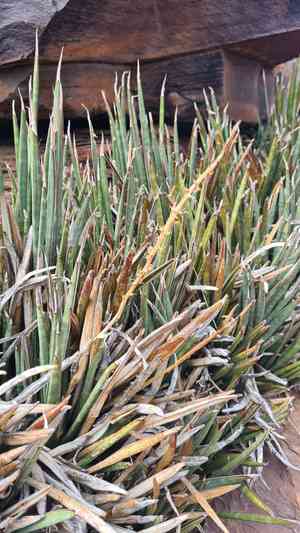
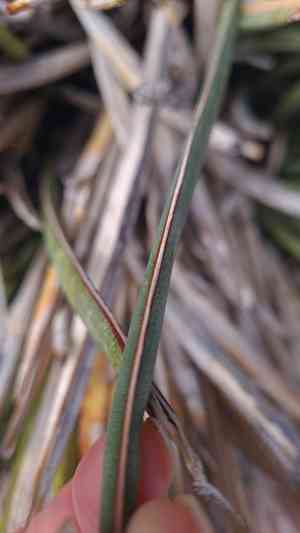


Quickly Identify Dracaena (Dracaena)
Scientific Classification of Dracaena (Dracaena)
Planting and Growing of Dracaena (Dracaena)
 How to Water Dracaena (Dracaena)?
 What Are the Sunlight Requirements for Dracaena (Dracaena)?
 What Is the Ideal Temperature Range for Dracaena (Dracaena)?
 What Soil is Best for Dracaena (Dracaena)?
 How to Fertilize Dracaena (Dracaena)?
 How to Prune Dracaena (Dracaena)?
 How to Propagate Dracaena (Dracaena) plant?
 How to Repot Dracaena (Dracaena) plant?
Toxicity of Dracaena (Dracaena)
Is Dracaena (Dracaena) toxic to humans?
The Dracaena, a popular ornamental houseplant, possesses mild toxicity to animals and may lead to gastrointestinal issues.
Is Dracaena (Dracaena) toxic to cat?
Plants belonging to the dracaena family possess saponins, which render them moderately toxic to cats. Depending on the specific species, toxicity may be limited to the leaves, or the entire plant might be harmful. Common signs of poisoning include diarrhea, vomiting, excessive drooling, dilated pupils, diminished appetite, weakness, and an elevated heart rate. More serious symptoms might require veterinary intervention.
Is Dracaena (Dracaena) toxic to dog?
Although the unpleasant bitterness of dracaena (Dracaena) typically deters dogs from consuming large quantities of its leaves, it still represents a moderate to serious risk if ingested. Every part of this plant is toxic, with the leaves being the most frequently ingested component. Ingestion may lead to symptoms such as loss of appetite, diarrhea, and vomiting. Should severe forms of these symptoms arise, it is essential to seek veterinary care. Pet owners must remain vigilant, as this plant is a popular houseplant and is often found in malls and various public places.


