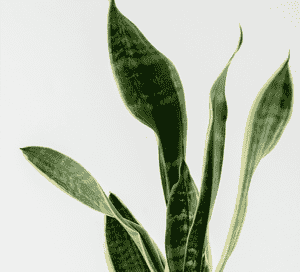
Dracaena trifasciata (Dracaena trifasciata)
Also known as: Snake Plant, Mother-in-Law's Tongue, Saint George's Sword, Viper's Bowstring Hemp
The Dracaena trifasciata, a species of the Asparagaceae family, originates from the tropical zones of West Africa stretching from Nigeria to the Congo. It bears several names, including the snake plant, Saint George's sword, mother-in-law's tongue, and viper's bowstring hemp. Until 2017, it was recognized by the name Sansevieria trifasciata. It is commonly utilized as a houseplant due to its low-maintenance needs, being able to endure with minimal sun and water.
In This Article
Plant Comprehensive Care Guide: Beginner's Introduction and Key Details
Perfect for beginners starting their plant care journey
→
10 Secrets to Making Dracaena trifasciata Grow Faster (A Must-Read for Beginners)
Advanced tips to accelerate your plant's growth
→
Care "Black Tech": 10 Little-Known Highly Effective Maintenance Tips
Expert-level techniques for optimal plant care
→
Attributes of Dracaena trifasciata
Lifespan
Perennial
Plant Height
Up to 120 cm
Spread
Not applicable
Leaf Color
Green or variegated
Flower Size
Not applicable
Flower Color
Greenish-white
Images of Dracaena trifasciata
Quickly Identify Dracaena trifasciata
1
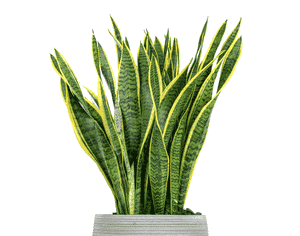
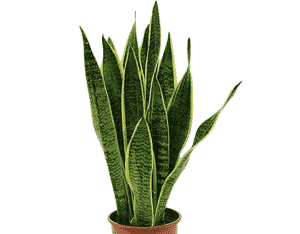
The snake plant has wide, upright leaves with a pattern of light and dark green. Some varieties feature yellow lining on the edges of the leaves. The leaves have a thick, waxy texture.
Scientific Classification of Dracaena trifasciata
Phylum
Angiosperms
Class
Monocots
Order
Asparagales
Family
Asparagaceae
Genus
Dracaena
Species
D. trifasciata
Planting and Growing of Dracaena trifasciata
Care Difficulty
Easy
Watering Schedule
Every 2 days
Sunlight Requirements
Partial sun
Sunshine Duration
4-6 hours
Ideal Temperature
65-80℉
Soil Type
Potting Mix, Peat Mix
Soil pH
6-7.5
Fertilizer Type
Balanced
Pruning Season
Spring, Summer
Pruning Area
Branches, Leaves
Pruning Frequency
2 times a year
Repotting Season
Spring
Pot Type
Plastic, Ceramic
 How to Water Dracaena trifasciata?
When watering Dracaena trifasciata, ensure the soil is evenly moist but not waterlogged. A good indication is to water until you see a small amount draining from the bottom of the pot. This helps ensure the roots have access to adequate moisture without drowning.
What are the symptoms of an underwatered Dracaena trifasciata?
›
What should I do if my Dracaena trifasciata is not getting enough water?
›
What are the symptoms of an overwatered Dracaena trifasciata?
›
How to save an overwatered Dracaena trifasciata?
›
 What Are the Sunlight Requirements for Dracaena trifasciata?
Snake Plants are best suited for partial sunlight, receiving about 2 to 6 hours of indirect light daily. Proper light exposure supports balanced growth, vibrant foliage, and overall resilience against stress and environmental fluctuations.
How much sunlight does Dracaena trifasciata need?
›
What happens if my Dracaena trifasciata gets too much sunlight?
›
Why is proper lighting important for Dracaena trifasciata?
›
 What Is the Ideal Temperature Range for Dracaena trifasciata?
Dracaena trifasciata thrives best in an environment where the temperature ranges between 65°F and 80°F. This range mimics the plant's native tropical conditions, providing the warmth necessary for optimal growth. Consistent temperatures within this range aid in maintaining the plant's metabolic processes, ensuring healthy photosynthesis and nutrient uptake.
 What Soil is Best for Dracaena trifasciata?
Dracaena trifasciata thrives in well-draining soil to prevent root rot. This requirement ensures that roots remain healthy and that excess water doesn't accumulate, which can be detrimental to the plant's health. This plant prefers a soil with a balanced nutrient content. It doesn't need overly rich soil, which helps maintain steady growth without the risk of fertilizer burn or excessive foliar growth. A consistent soil texture allows for uniform water distribution and root expansion. This supports even water absorption and enhances overall plant vigor.
 How to Fertilize Dracaena trifasciata?
For Dracaena trifasciata, use a balanced water-soluble fertilizer at half the recommended strength. Apply it once a month during the growing season, which is usually spring and summer, to provide essential nutrients without overwhelming the plant.
 How to Prune Dracaena trifasciata?
After pruning, observe the plant for any signs of stress or disease. This includes yellowing, wilting, or unusual spots. Early detection of post-pruning issues can help in timely intervention to ensure the plant remains healthy. Be cautious not to remove more than 20-30% of the plant's foliage at once. Excessive removal can stress the plant, leading to slower recovery and negatively impacting its growth. Dispose of pruned leaves properly to avoid any potential spread of disease. Do not leave the removed leaves near the plant as they may harbor pests or diseases that could re-infect the plant.
 How to Propagate Dracaena trifasciata plant?
1
Choose a healthy Dracaena trifasciata, ensuring it's free from disease or pests. Water it thoroughly a day before propagation to ensure it's well-hydrated.
2
Use a sterilized sharp knife to cut a leaf section or stem, ensuring each cutting is about 4-6 inches long. Allow the cut ends to callus over for a day or two before planting.
3
Insert the cut end into potting soil after applying rooting hormone. Ensure the soil is well-draining and keep it moist but not overly wet to promote root growth.
 How to Repot Dracaena trifasciata plant?
1
Dracaena trifasciata needs repotting when roots start to emerge from drainage holes, indicating it's outgrown its current pot. Another signal is slow growth, even during the active growing seasons. It's best to repot in spring or early summer, giving the plant ample time to adjust before its winter dormancy.
2
Select a pot that's slightly larger than the current one, providing adequate space for root growth. Ensure the pot has drainage holes to prevent waterlogging, which can lead to root rot. Using a breathable material like terracotta helps maintain optimal moisture levels by allowing excess water to evaporate.
3
A well-draining potting mix is crucial for Dracaena trifasciata. Mix a balance of peat moss, pine bark, and perlite to encourage aeration and prevent root rot. This blend ensures that moisture is retained while excess water quickly drains, mimicking the plant's natural environment.
Toxicity
Ingestion
WARNING
The judgment on toxicity and danger is for reference only. We DO NOT GUARANTEE any accuracy of such judgment. Therefore, you SHALL NOT rely on such judgment. It is IMPORTANT TO SEEK PROFESSIONAL ADVICE in advance when necessary.

