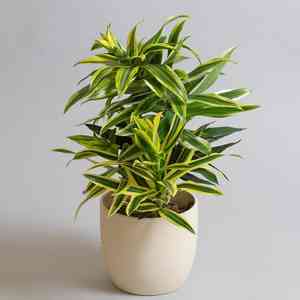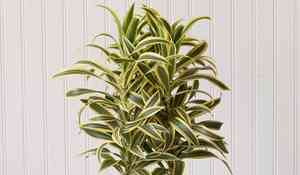
Song of india(Dracaena reflexa)

Song of india (Dracaena reflexa)

Also known as: Song of jamaica

The song of India plant, known for its striking, evergreen leaves, is highly favored as a houseplant due to its distinctive look and easy care. Interestingly, it is indigenous to several Indian Ocean islands such as Madagascar and Mauritius, but not to India itself.

Attributes of Song of india

Lifespan
Perennial
Plant Type
Shrub
Plant Height
4 m to 6 m
Spread
90 cm to 2.5 m
Leaf Color
Green
Flower Size
Small, less than 1 inch
Flower Color
White Yellow Purple

ForwardPlant - Identify plants with a snap

Identify and diagnose plants, get toxicity alerts, and explore safety guides for all types of fungi.

Try for Free

Images of Song of india

Song of india(Dracaena reflexa)

Quickly Identify Song of india

1
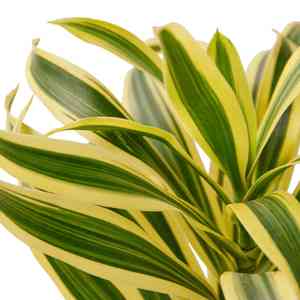
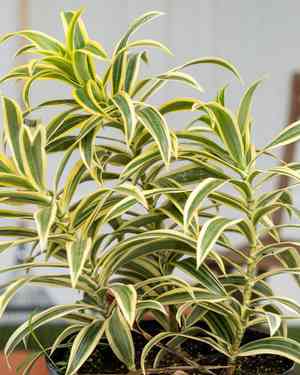
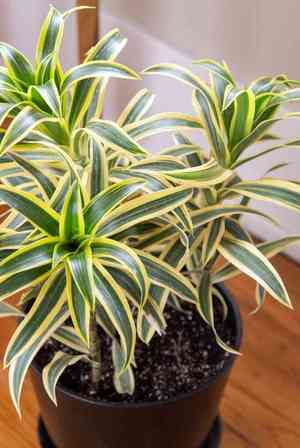
Look for long, slightly twisted leaves that have a glossy finish. The leaves are typically arranged in a spiraling cluster. Variegated varieties will have distinctive yellow or white stripes along the edges or the center of the leaves.

Scientific Classification of Song of india

Phylum
Vascular plants
Class
Monocotyledons
Order
Asparagales
Family
Asparagus
Genus
Dracaena
Species
Song of india

Planting and Growing of Song of india

Care Difficulty
Easy
Watering Schedule
Every 3 days
Sunlight Requirements
Partial sun
Sunshine Duration
6-10 hours
Ideal Temperature
65-78℉
Soil Type
Potting Mix, Peat Mix
Soil pH
6.5-7.5
Fertilizer Type
Balanced
Pruning Season
Spring, Summer
Pruning Area
Branches, Leaves
Pruning Frequency
2 times a year
Repotting Season
Spring
Pot Type
Plastic, Ceramic

water icon How to Water Song of india?

Dracaena reflexa prefers well-drained soil, and when watering, it's important to ensure that the soil is moist but not soggy. Aim to water your plant until about 300 ml of water has been added, and always check that the top inch of soil is dry before watering again.
What are the symptoms of an underwatered Song of india?
What should I do if my Song of india is not getting enough water?
What are the symptoms of an overwatered Song of india?
How to save an overwatered Song of india?
More About Watering Techniques

sunlight icon What Are the Sunlight Requirements for Song of india?

Sunlight Requirements: Partial sun, Full shade
Duration of light: 2 to 6 hours
Partial sun allows Dracaena reflexa to photosynthesize effectively without the stress of direct, intense sunlight. The ideal light supports resilience and robust foliage, contributing to the plant's overall vitality.
What type of light does Dracaena reflexa prefer?
How can I ensure my Dracaena reflexa gets the right amount of light?
What happens if Dracaena reflexa receives ideal lighting?
More About Sunlight Requirements Techniques

temperature icon What Is the Ideal Temperature Range for Song of india?

Ideal Temperature: 65 ~ 78℉
Dracaena reflexa, also known as the Song of India, thrives best in temperatures between 65°F and 78°F. These conditions mimic its native tropical environment, ensuring optimal growth and vitality. Maintaining this temperature range ensures healthy leaf coloration and robust growth.

soil icon What Soil is Best for Song of india?

Soil type: Loam, Sandy loam
Soil PH: 6.5 ~ 7.5
Dracaena reflexa thrives in well-drained soil, preventing waterlogging which can lead to root rot. This condition allows the roots to access oxygen effectively, promoting healthy growth. A nutrient-rich substrate ensures that Dracaena reflexa receives essential nutrients for optimum leaf color and growth. Using organic compost or balanced fertilizer can enhance nutrient availability. Maintaining moderately moist soil helps in sustaining the plant's hydration needs without causing excess moisture, which could attract pests or fungus. More About Soil

fertilize icon How to Fertilize Song of india?

Fertilizer type: Balanced
Dracaena reflexa should be fed with a balanced liquid fertilizer, diluted to half-strength, every two weeks during the growing season. For slow-release fertilizers, apply at the specified rate on the product label for a plant of this size. More About Fertilizing Techniques

prune icon How to Prune Song of india?

Pruning Time: Spring, Summer
Begin by identifying dead, damaged, or crossing branches. Cut these back to the nearest healthy node, ensuring clean cuts to promote healing and new growth. Focus on trimming excessively long branches to maintain a neat, bushy appearance. Cut back to just above a leaf node to encourage new shoots. Make cuts above leaf nodes to promote branching, encouraging a fuller plant. Regular pruning will help your Dracaena reflexa maintain its vibrant, lush foliage. More About Pruning Techniques

propagate icon How to Propagate Song of india plant?

Propagate Time: Spring, Early summer
1
Choose a healthy, non-flowering stem from the parent plant. It should be about 4-6 inches long. Ensure it is free from any disease or pests, as a healthy stem will have a much higher success rate.
2
Remove the lower leaves from the stem to prevent them from rotting when planted. Apply rooting hormone to the base of the cutting to encourage root growth.
3
Insert the base of the cutting into a pot with well-draining soil mix. Place it in a warm, humid environment with indirect light to facilitate rooting. Water sparingly to avoid rotting.
More About Propagating Techniques

repot icon How to Repot Song of india plant?

Repotting frequency: Every 2-3 years
1
Dracaena reflexa shows signs of needing repotting when its roots start to emerge from the drainage holes, indicating that the plant has outgrown its current container. Additionally, if you notice a decline in growth, or the soil is drying out faster than usual, it might be time for a new pot.
2
Select a pot that is only 1-2 inches larger in diameter than the current one. This prevents overwatering and ensures proper root growth. Opt for a pot with good drainage holes to avoid waterlogging and root rot, keeping your Dracaena reflexa healthy.
3
For Dracaena reflexa, use a well-draining potting mix, such as a blend of peat, pine bark, and perlite. This mix ensures proper aeration, prevents water retention, and offers the right nutrients, providing a stable environment for root development.
More About Repotting Techniques

ForwardPlant - Identify plants with a snap

Find the best spots for them to optimize their health, simply using your phone.

Try for Free

Toxicity of Song of india

Is Song of india toxic to cat?

Song of India is recognized for its toxicity to felines. Cats may unknowingly come into contact with the plant if they accidentally consume any of its parts, since every portion of the Song of India is toxic. When ingested, a cat may show various signs of distress or illness, which can manifest as a variety of symptoms. Cat guardians should remain alert and ensure their pets do not come into contact with Song of India. If there is any suspicion of poisoning, it is crucial to obtain prompt veterinary assistance to address potential health issues.

Is Song of india toxic to dog?

The Song of India is recognized as a toxic plant for dogs. When dogs consume any part of this plant, they are susceptible to poisoning due to its toxic properties. All components of the Song of India can pose a risk if ingested by dogs, which may occur inadvertently during active play or exploration. Signs of poisoning in dogs can include vomiting, diarrhea, lethargy, excessive drooling, decreased appetite, or signs of depression. It is imperative for dog owners to closely supervise their pets and restrict access to the Song of India. Should a dog ingest any part of the Song of India, it is vital to obtain prompt veterinary assistance to ensure the affected animal receives the best possible care.

Identify toxic plants for your safety

Learn which plants are harmful to you and your pets, and make informed choices for a safer home!

Try for Free
WARNING
The judgment on toxicity and danger is for reference only. We DO NOT GUARANTEE any accuracy of such judgment. Therefore, you SHALL NOT rely on such judgment. It is IMPORTANT TO SEEK PROFESSIONAL ADVICE in advance when necessary.
More About Toxic Techniques