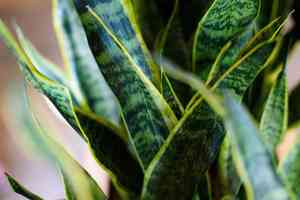
Dracaena hyacinthoides (Dracaena hyacinthoides)
Also known as: False Sea Onion
Dracaena hyacinthoides, commonly known as African Bowstring Hemp or Pacific Blue Agave, is a perennial, evergreen plant belonging to the Asparagaceae family. It is native to tropical areas of Africa, including Madagascar, and it’s known for its robust, strap-like leaves which can grow up to 1 meter in length. The plant often features interesting variegation and is prized both for its ornamental value and its use in traditional medicine.
In This Article
Attributes of Dracaena hyacinthoides
Lifespan
Dracaena hyacinthoides is an evergreen shrub, growing perennially in suitable conditions
Plant Height
Up to 3 feet
Spread
Up to 2 feet
Leaf Color
Green
Flower Size
Approximately 0.6 inches
Flower Color
White
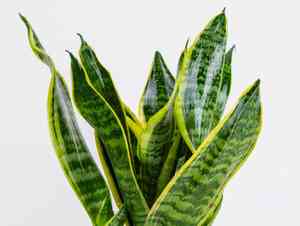
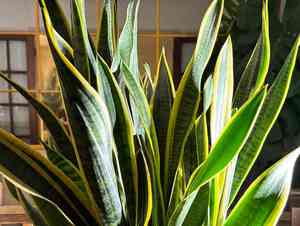
Images of Dracaena hyacinthoides
Quickly Identify Dracaena hyacinthoides
1
The plant can be identified by its long, slender, arching leaves and it's white, lily-like flowers.
Scientific Classification of Dracaena hyacinthoides
Phylum
Magnoliophyta
Class
Liliopsida
Order
Asparagales
Family
Asparagaceae
Genus
Dracaena
Species
hyacinthoides
Planting and Growing of Dracaena hyacinthoides
Care Difficulty
Easy
Watering Schedule
Every 2 days
Sunlight Requirements
Partial sun
Sunshine Duration
6-8 hours
Ideal Temperature
65-75℉
Soil Type
Potting Mix, Peat Mix
Soil pH
6.5-7.5
Fertilizer Type
Balanced
Pruning Season
Spring, Summer
Pruning Area
Branches, Leaves
Pruning Frequency
2 times a year
Repotting Season
Spring
Pot Type
Plastic, Terracotta
 How to Water Dracaena hyacinthoides?
Dracaena hyacinthoides prefers its soil to be evenly moist, but not soggy. Ideally, you should water until approximately 250 ml collects and drains from the base. This ensures the roots have consistent access to moisture without waterlogging, which can lead to root rot. Ensure the top quarter of the soil dries out before the next watering session.
What are the symptoms of an underwatered Dracaena hyacinthoides?
›
What should I do if my Dracaena hyacinthoides is not getting enough water?
›
What are the symptoms of an overwatered Dracaena hyacinthoides?
›
How to save an overwatered Dracaena hyacinthoides?
›
 What Are the Sunlight Requirements for Dracaena hyacinthoides?
Dracaena hyacinthoides benefits most from partial sun conditions. This ensures the plant maintains vibrant foliage, reducing the risk of light-related damage and promoting healthy growth.
What is the ideal light condition for Dracaena hyacinthoides?
›
How to achieve ideal lighting for Dracaena hyacinthoides?
›
What benefits can Dracaena hyacinthoides gain from ideal lighting?
›
 What Is the Ideal Temperature Range for Dracaena hyacinthoides?
The ideal temperature range for Dracaena hyacinthoides is between 65°F and 75°F. This range provides a stable environment that mimics the tropical conditions the plant naturally thrives in. Within this range, the plant can perform optimal photosynthesis and respiration, ensuring healthy growth and vibrant foliage.
 What Soil is Best for Dracaena hyacinthoides?
Dracaena hyacinthoides thrives in well-draining soil that allows excess water to escape easily. This prevents waterlogging, which can lead to root rot and other diseases. The plant benefits from soil that is rich in organic matter, providing essential nutrients that encourage strong growth and vibrant foliage. While good drainage is crucial, the soil should also retain enough moisture to keep the roots adequately hydrated, ensuring steady and robust growth.
 How to Fertilize Dracaena hyacinthoides?
For Dracaena hyacinthoides, you should use a balanced 10-10-10 liquid fertilizer. During application, dilute the fertilizer to half the recommended strength to avoid root damage. Each plant should receive approximately one cup of diluted solution per application, ensuring even distribution across the soil surface.
 How to Prune Dracaena hyacinthoides?
Begin by identifying any leaves that appear yellow, brown, or are dried out. These can be cut back to the base to encourage healthy new growth. If your Dracaena hyacinthoides is growing too tall, prune the topmost stem slightly above a node, which will encourage new branches and a fuller appearance. To maintain a neat and attractive form, remove any errant growth that disrupts the desired shape. Regular shaping can keep the plant compact and tidy.
 How to Propagate Dracaena hyacinthoides plant?
1
Harvest seeds from mature Dracaena hyacinthoides plants by collecting from the flowers after they have dried out slightly, ensuring they are mature enough for planting.
2
Select healthy stems and cut about 4-6 inches from the parent plant. Ensure each cutting has a few leaves attached and remove any lower leaves to prevent rot.
3
Prepare a pot with well-draining soil, plant seeds or cuttings, and water lightly. Maintain slight soil moisture without over-saturating, which can lead to rot.
 How to Repot Dracaena hyacinthoides plant?
1
Dracaena hyacinthoides should be repotted when its roots become crowded, visible through drainage holes, or when growth significantly slows. These signs indicate that the plant requires more space for healthy root expansion and nutrient absorption.
2
Select a pot that is one to two inches larger in diameter than the current one. Ensure it has adequate drainage holes to prevent waterlogging, which can lead to root rot. The right size helps in managing moisture levels and encourages robust root development.
3
Prepare a well-draining potting mix composed of peat, pine bark, and perlite or coarse sand. This mixture allows airflow and adequate drainage, minimizing the risk of root rot while retaining necessary moisture and nutrients for plant growth.

