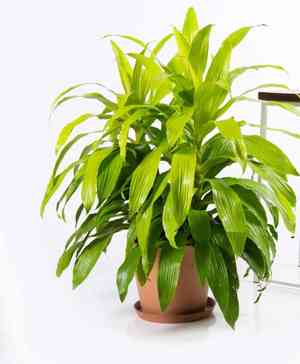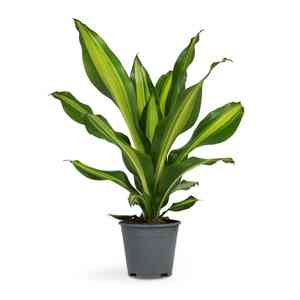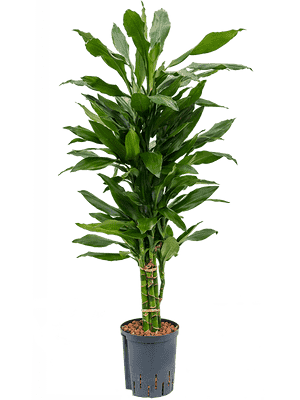
Corn plant(Dracaena fragrans)

Corn plant (Dracaena fragrans)

Also known as: Fragrant dracaena, Happy plant

The Corn Plant, scientifically known as Dracaena fragrans, is an evergreen, slow-growing shrub originally from tropical Africa. It's been a beloved houseplant in Europe since the 1800s. Featuring glossy green leaves that look similar to corn leaves, these leaves grow atop a sturdy cane, which gives the plant its nickname "false palm tree."

Attributes of Corn plant

Lifespan
Perennial
Plant Type
Shrub, Tree
Plant Height
4.5 m to 15 m
Spread
1 m
Leaf Color
Green Variegated Yellow White Red
Flower Size
2.5 cm
Flower Color
White Yellow Green

PlantJoy - Identify plants with a snap

Identify and diagnose plants, get toxicity alerts, and explore safety guides for all types of fungi.

Try for Free

Images of Corn plant

Corn plant(Dracaena fragrans)

Quickly Identify Corn plant

1
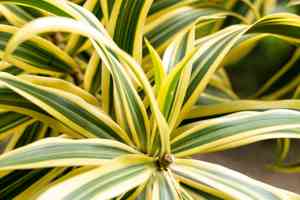
Strap-like leaves, 1-4 inches wide with yellow to white stripes.
2
Downward hanging panicles of highly fragrant, pink to white flowers.
3
Small, globular berries, 0.4-0.8 inches in vivid reddish-orange.
4
Unbranched, woody stem, 6-10 feet tall, light gray to tan.
5
Glossy green leaves, 2-3 feet long, variegated with white or yellow stripes.

Scientific Classification of Corn plant

Phylum
Vascular plants
Class
Monocotyledons
Order
Asparagus and allies
Family
Asparagus
Genus
Dracaena
Species
Corn plant

Planting and Growing of Corn plant

Care Difficulty
Easy
Watering Schedule
Every 2 days
Sunlight Requirements
Partial sun
Sunshine Duration
4-8 hours
Ideal Temperature
65-80℉
Soil Type
Potting Mix, Peat Mix
Soil pH
6.5-7.5
Fertilizer Type
Balanced
Pruning Season
Spring, Summer
Pruning Area
Branches, Leaves
Pruning Frequency
2 times a year
Repotting Season
Spring
Pot Type
Plastic, Ceramic

water icon How to Water Corn plant?

When watering Dracaena fragrans, ensure that you are providing enough water to moisten the soil evenly, allowing around 500 ml per session. The key is to water until you notice that the water starts to seep from the drainage holes at the bottom of the pot, but avoid leaving any standing water. The soil should feel moist to the touch, but not drenched.
What are the symptoms of an underwatered Corn plant?
What should I do if my Corn plant is not getting enough water?
What are the symptoms of an overwatered Corn plant?
How to save an overwatered Corn plant?
More About Watering Techniques

sunlight icon What Are the Sunlight Requirements for Corn plant?

Sunlight Requirements: Partial sun
Duration of light: 4-6 hours a day
Dracaena fragrans prefers partial sun or filtered light, ideally enjoying 4-6 hours daily. Proper light exposure ensures healthy growth, vibrant green foliage, and effective air purification.
What is the best lighting condition for Dracaena fragrans?
How can I achieve the ideal lighting condition for Dracaena fragrans?
What are the benefits of Dracaena fragrans receiving the ideal lighting conditions?
More About Sunlight Requirements Techniques

temperature icon What Is the Ideal Temperature Range for Corn plant?

Ideal Temperature: 65 ~ 80℉
Dracaena fragrans thrives best in temperatures between 65°F and 80°F. This range allows the plant to maintain its metabolic processes effectively, ensuring optimal growth and vibrant foliage. Within this temperature range, the plant can efficiently absorb moisture and nutrients, facilitating healthy and sustained development. Keeping the plant in these conditions year-round guarantees robust growth and resilience against common stressors.

soil icon What Soil is Best for Corn plant?

Soil type: Loam, Sandy loam
Soil PH: 6.5 ~ 7.5
Dracaena fragrans thrives in well-draining soil, which prevents root rot by allowing excess water to escape. This enhances root health and keeps the plant robust and vibrant. A soil mix abundant in organic matter supports steady growth and lush foliage. Nutrient-rich soil provides essential elements, nurturing the plant's development and overall vitality. While the soil should drain well, it must also retain adequate moisture to sustain the plant between waterings. Consistent moisture availability helps Dracaena fragrans maintain its lush, green appearance. More About Soil

fertilize icon How to Fertilize Corn plant?

Fertilizer type: Balanced
For Dracaena fragrans, apply a balanced liquid fertilizer diluted to half strength, using about 1-2 teaspoons per gallon of water. For solid fertilizers, follow the manufacturer's instructions and use sparingly, typically 1-2 tablespoons around the base. More About Fertilizing Techniques

prune icon How to Prune Corn plant?

Pruning Time: Spring, Summer
Start by observing your Dracaena fragrans for any dead, yellowed, or damaged leaves. These leaves not only affect the look of your plant but also take away essential nutrients. Use sharp scissors or shears to cut these leaves at the base. To shape your Dracaena fragrans, trim the tops of the canes at your desired length. New shoots will emerge from right below the cut, creating a fuller appearance. Ensure you cut just above a leaf node to encourage balanced growth. For canes that are too tall or leaning awkwardly, make a clean cut above a node to control the height. You can propagate the cuttings in water or soil to encourage new growth. This helps in rejuvenating the plant and maintaining its health. More About Pruning Techniques

propagate icon How to Propagate Corn plant plant?

Propagate Time: Spring, Early summer
1
Choose a healthy stem from the Dracaena fragrans that is at least 8 inches long. Ensure the cutting has a few leaves and no signs of disease or pest infestation.
2
Cut the stem at a 45-degree angle to increase the surface area for rooting. Remove any leaves from the lower section of the cutting to prevent rot.
3
Dip the cut end in rooting hormone and plant it in a pot filled with well-draining soil. Water lightly and place in a spot with indirect sunlight.
More About Propagating Techniques

repot icon How to Repot Corn plant plant?

Repotting frequency: Every 2-3 years
1
Dracaena fragrans signals its need for repotting with slow growth, roots breaking through the drainage holes, or water sitting on the surface. Ideally, repotting should occur when the plant shows signs of becoming root-bound or when growth seems stunted.
2
Select a pot only slightly larger than the current one to prevent overwatering issues. The pot should have good drainage holes to ensure excess water can escape, reducing the risk of root rot.
3
A well-draining potting mix with ingredients such as peat, vermiculite, or perlite works wonders. This type of soil allows for sufficient aeration, which prevents compacting and promotes healthy root growth for Dracaena fragrans.
More About Repotting Techniques

PlantJoy - Identify plants with a snap

Find the best spots for them to optimize their health, simply using your phone.

Try for Free

Toxicity of Corn plant

Is Corn plant toxic to cat?

The corn plant (Dracaena fragrans) is highly poisonous to pets due to the presence of a chemical called saponin stored in its leaves. When cats consume the foliage of this plant, they may experience symptoms such as diarrhea, weakness, and drooling, among others. It is crucial to seek veterinary assistance immediately, as the risk of severe dehydration exists, potentially leading to fatality if not treated promptly.

Is Corn plant toxic to dog?

Saponin, a compound present in the foliage of the corn plant (Dracaena fragrans), poses a moderate toxicity risk to dogs. If ingested, it can lead to symptoms such as vomiting (potentially with blood), diarrhea, excessive salivation, and signs of depression or weakness in the animal. This form of poisoning may also result in respiratory distress and an elevated heart rate, which necessitates contacting a veterinarian. Your dog might come across this frequently found houseplant in residential or office environments.

Identify toxic plants for your safety

Learn which plants are harmful to you and your pets, and make informed choices for a safer home!

Try for Free
WARNING
The judgment on toxicity and danger is for reference only. We DO NOT GUARANTEE any accuracy of such judgment. Therefore, you SHALL NOT rely on such judgment. It is IMPORTANT TO SEEK PROFESSIONAL ADVICE in advance when necessary.
More About Toxic Techniques