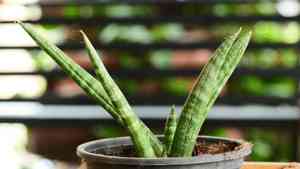
Dracaena bacularis (Dracaena bacularis)
Also known as: No common aliases
Dracaena bacularis, commonly known as the Gold Dust Plant or Gold Dust Dracaena, is a popular ornamental plant known for its attractive foliage. The leaves are dark green with bright yellow spots, giving the plant a distinct appearance. It is a low-maintenance plant that thrives in low to moderate light conditions, making it an excellent choice for indoor settings.
In This Article
Attributes of Dracaena bacularis
Lifespan
Dracaena bacularis, otherwise known as Stick Dracaena, is a year-round, evergreen plant. It has a growth cycle that spans many years, as it is a perennial type of plant.
Plant Height
2 - 3 meters
Spread
1 - 1.5 meters
Leaf Color
Dark green
Flower Size
Not typically flowered in cultivation
Flower Color
Not typically flowered in cultivation
Images of Dracaena bacularis
Quickly Identify Dracaena bacularis
1
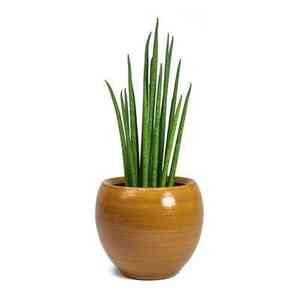
Dracaena bacularis can be identified by its dark green leaves with bright yellow spots. The leaves are usually long and narrow, and the plant has a bushy appearance. It can grow up to 2-3 feet in height under optimal conditions.
Scientific Classification of Dracaena bacularis
Phylum
Angiosperms
Class
Liliopsida
Order
Asparagales
Family
Asparagaceae
Genus
Dracaena
Planting and Growing of Dracaena bacularis
Care Difficulty
Easy
Watering Schedule
Every 2 days
Sunlight Requirements
Partial sun
Sunshine Duration
6-10 hours
Ideal Temperature
65-80℉
Soil Type
Potting Mix, Peat Mix
Soil pH
6.5-7.5
Fertilizer Type
Balanced
Pruning Season
Spring, Summer
Pruning Area
Branches, Leaves
Pruning Frequency
2 times a year
Repotting Season
Spring
Pot Type
Plastic, Terracotta
 How to Water Dracaena bacularis?
When watering Dracaena bacularis, use approximately 200 ml of water each time. Ensure the soil is evenly moist but not waterlogged. A general rule of thumb is to water when the top inch of soil feels dry to the touch.
What are the symptoms of an underwatered Dracaena bacularis?
›
What should I do if my Dracaena bacularis is not getting enough water?
›
What are the symptoms of an overwatered Dracaena bacularis?
›
How to save an overwatered Dracaena bacularis?
›
 What Are the Sunlight Requirements for Dracaena bacularis?
Partial sunlight offers the best growth potential. Proper lighting ensures Dracaena bacularis produces sufficient chlorophyll, crucial for photosynthesis and overall vitality.
What is the best light condition for Dracaena bacularis?
›
How to achieve ideal lighting for Dracaena bacularis?
›
Why is ideal lighting important for Dracaena bacularis?
›
 What Is the Ideal Temperature Range for Dracaena bacularis?
Dracaena bacularis thrives best in temperatures ranging from 65°F to 80°F. Within this range, the plant can maintain its physiological processes efficiently, promoting stable growth and vibrant foliage. Maintaining this temperature range ensures the plant’s resilient health and avoids stress-related issues.
 What Soil is Best for Dracaena bacularis?
Dracaena bacularis thrives in well-draining soil to prevent root rot. Ensuring good drainage helps keep the roots healthy by avoiding waterlogged conditions, fostering robust growth. This plant prefers soil that is nutrient-rich. A fertile soil ensures that the Dracaena receives the necessary nutrients for vibrant foliage and robust growth, enhancing its visual appeal. Soil should be kept moderately moist but not soggy. Consistent moisture levels support steady growth and prevent stress on the plant, promoting a lush appearance.
 How to Fertilize Dracaena bacularis?
For Dracaena bacularis, the amount of fertilizer used should be moderate due to its relatively low nutrient demand. It's best to follow the manufacturer's instructions for dosage, usually reducing the recommended dose by half, as the plant is sensitive to over-fertilization. This ensures that the nutrients provided do not overwhelm the plant's root system.
 How to Prune Dracaena bacularis?
Begin by identifying yellowing or damaged leaves. These should be removed first to help the plant allocate resources to healthier parts. Make cuts at a 45-degree angle just above a node or where the leaf meets the stem. This encourages new growth and helps the plant heal faster. Dispose of trimmed leaves properly to prevent the spread of disease or pests. Compost healthy trimmings or dispose of them in household waste if diseased.
 How to Propagate Dracaena bacularis plant?
1
Choose a healthy, disease-free stem from the mother plant that is about 4-6 inches long. Ensure it has no signs of pests or damage, as a healthy cutting increases the chances of successful propagation.
2
Using the pruning shears, make a clean cut just below a leaf node. Remove the lower leaves to expose the nodes, which are crucial for root development.
3
Dip the cut end of the stem into the rooting hormone to encourage faster and stronger root growth. Shake off any excess before planting to prevent clumping.
 How to Repot Dracaena bacularis plant?
1
For Dracaena bacularis, it's time to repot when you notice roots starting to grow out of the drainage holes, the soil not holding moisture well, or stunted growth. These signs indicate that the plant has outgrown its current pot and needs a larger space with fresh soil to thrive.
2
Selecting the right pot for your Dracaena bacularis is crucial. Opt for a pot that is one size larger, with ample drainage holes to prevent waterlogging. A pot that is too large can retain too much moisture, which might lead to root rot. Terracotta pots are ideal as they allow the soil to dry out more quickly.
3
Choose a well-draining potting mix that includes peat, pine bark, and perlite. This mix provides adequate aeration and retains just enough moisture without becoming waterlogged. The airy, lightweight nature of this soil compels strong root growth and prevents root rot.
Toxicity
Ingestion
WARNING
The judgment on toxicity and danger is for reference only. We DO NOT GUARANTEE any accuracy of such judgment. Therefore, you SHALL NOT rely on such judgment. It is IMPORTANT TO SEEK PROFESSIONAL ADVICE in advance when necessary.

