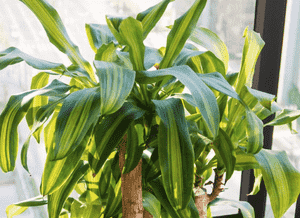
Dracaena acaulis (Dracaena acaulis)
Also known as: None
Dracaena acaulis is a species in the Dracaena genus, known for its tree-like appearance. It is characterized by its thick, cane-like stems and strappy leaves.
In This Article
Attributes of Dracaena acaulis
Lifespan
Perennial
Plant Height
2 inches
Spread
N/A
Leaf Color
Green
Flower Size
Small
Flower Color
White
Images of Dracaena acaulis
Quickly Identify Dracaena acaulis
1
To identify Dracaena acaulis, look for its cane-like stems and arching, spear-shaped leaves that may have variegated patterns. The plant can grow quite tall and forms a bamboo-like appearance.
Scientific Classification of Dracaena acaulis
Phylum
Angiosperms
Class
Monocots
Order
Asparagales
Family
Asparagaceae
Genus
Dracaena
Planting and Growing of Dracaena acaulis
Care Difficulty
Easy
Watering Schedule
Every 2 days
Sunlight Requirements
Partial sun
Sunshine Duration
6-8 hours
Ideal Temperature
68-77℉
Soil Type
Potting Mix, Peat Mix
Soil pH
6.5-7.5
Fertilizer Type
Balanced
Pruning Season
Spring, Summer
Pruning Area
Branches, Leaves
Pruning Frequency
2 times a year
Repotting Season
Spring
Pot Type
Plastic, Ceramic
 How to Water Dracaena acaulis?
Dracaena acaulis flourishes best when its soil is allowed to dry out between waterings. Water deeply until moisture begins to drain from the bottom of the pot. This approach ensures the roots receive sufficient moisture without becoming waterlogged.
What are the symptoms of an underwatered Dracaena acaulis?
›
What should I do if my Dracaena acaulis is not getting enough water?
›
What are the symptoms of an overwatered Dracaena acaulis?
›
How to save an overwatered Dracaena acaulis?
›
 What Are the Sunlight Requirements for Dracaena acaulis?
Partial sun, Full shade: Ideal light conditions facilitate photosynthesis without risk of damage, promoting robust growth and vibrant foliage.
What is the best type of sunlight for Dracaena acaulis?
›
How can I provide ideal light for Dracaena acaulis indoors?
›
What benefits arise from optimal lighting for Dracaena acaulis?
›
 What Is the Ideal Temperature Range for Dracaena acaulis?
The ideal temperature range for Dracaena acaulis is between 68°F and 77°F. This range allows the plant to thrive by providing optimum conditions for metabolic activities and growth. At these temperatures, enzymatic functions and photosynthetic processes operate at peak efficiency, ensuring robust health and development.
 What Soil is Best for Dracaena acaulis?
Dracaena acaulis thrives in well-drained soil, which helps prevent root rot by allowing excess water to escape quickly. Providing proper drainage ensures the roots receive adequate oxygen and nutrients for vibrant growth. While the soil should be well-drained, it must also retain some moisture to keep the plant hydrated. A sandy loam or loam soil structure balances drainage with moisture retention, allowing the plant to absorb water efficiently. Dracaena acaulis benefits from a nutrient-rich soil environment, which supports its overall growth and development. Loam soil is ideal as it contains a mixture of sand, silt, and clay, offering essential nutrients and minerals.
 How to Fertilize Dracaena acaulis?
For Dracaena acaulis, the amount of fertilizer needed is modest. Use a balanced fertilizer with a 10-10-10 ratio, mixing it half-strength with water if it's a liquid form. Avoid over-fertilization as this can lead to nutrient burn and soil buildup.
 How to Prune Dracaena acaulis?
Start by examining the plant for any yellowing, browning, or dead leaves. Use your shears to cut these leaves off at their base. Removing these leaves helps focus the plant's energy on new growth. After removing dead leaves, look for any excess stems that make the plant look leggy or uneven. Cut these back to a leaf joint to encourage bushier growth. If you desire a specific shape, prune accordingly by cutting stems at strategic locations. This shaping can help the Dracaena maintain an aesthetically pleasing appearance.
 How to Propagate Dracaena acaulis plant?
1
Choose stems that are healthy and free from pests or diseases. The selected stem should be mature but not too woody, which enhances the successful rooting potential.
2
Cut the chosen stem sections into segments of about 4 to 6 inches. Remove the lower leaves to expose the nodes, which is where roots will emerge.
3
Dip the cut end of the cutting into the rooting hormone powder. This stimulates faster root growth and protects the cut from rot.
 How to Repot Dracaena acaulis plant?
1
Dracaena acaulis signals the need for repotting when it becomes root-bound, meaning the roots have no more space to grow, or the soil has become compacted and less effective at retaining nutrients. Another signal is poor water retention; excessive runoff during watering may indicate the current potting mix is no longer effective. Repot in spring or summer when the plant is actively growing for best results.
2
Select a pot that is 1-2 inches larger in diameter than the current one, which ensures enough space for root expansion. A pot with drainage holes is essential to prevent waterlogging, which can cause root rot. The material of the pot, whether ceramic, plastic, or terracotta, should suit your watering habits and aesthetic preferences, balancing weight, moisture retention, and design appeal.
3
Opt for a well-draining potting mix with components such as peat, perlite, and pine bark. This composition prevents water from sitting around the roots, which can lead to rot, while retaining enough moisture and nutrients to support healthy growth. Such a mix provides excellent aeration, promoting root health and reducing the risk of fungal issues.
Toxicity
Ingestion
WARNING
The judgment on toxicity and danger is for reference only. We DO NOT GUARANTEE any accuracy of such judgment. Therefore, you SHALL NOT rely on such judgment. It is IMPORTANT TO SEEK PROFESSIONAL ADVICE in advance when necessary.

