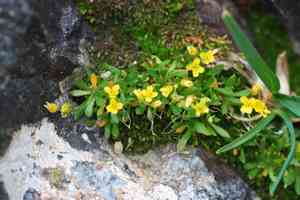
whitlow-grasses (Draba) (Draba)
Also known as: Whitlow-grass
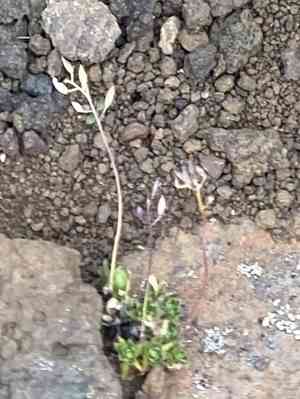
Whitlow-grasses, part of the genus Draba, are small flowering plants often mistaken for grasses. They predominantly inhabit cold, mountainous regions, especially in the Americas, with a few species found in Europe. These plants are characterized by their four-petaled white or yellow flowers. They typically grow in rocky, well-drained soils, often forming rosettes with hairy or felt-like leaves.
In This Article
Attributes of whitlow-grasses (Draba)
Lifespan
Biennial, Perennial
Plant Height
2-20 cm
Spread
Approximately 5-10 cm
Leaf Color
Green
Flower Size
0.5-1 cm
Flower Color
Yellow or white
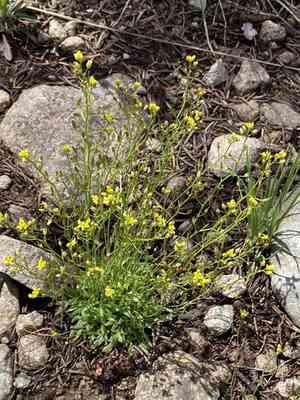
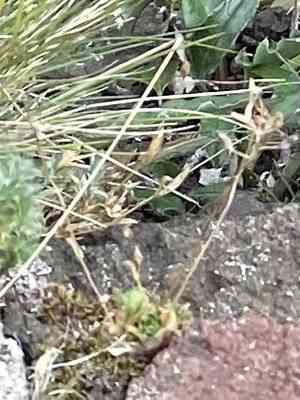
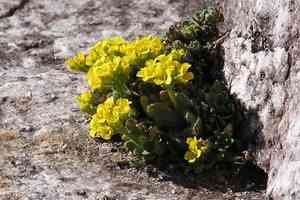
Images of whitlow-grasses (Draba)
Quickly Identify whitlow-grasses (Draba)
1
Draba species can be identified by their rosette of basal leaves, small yellow or white flowers with four petals, and their ability to grow in challenging, rocky environments.
Scientific Classification of whitlow-grasses (Draba)
Phylum
Tracheophyta
Class
Magnoliopsida
Order
Brassicales
Family
Brassicaceae
Genus
Draba
Planting and Growing of whitlow-grasses (Draba)
Care Difficulty
Easy
Watering Schedule
Every 2 days
Sunlight Requirements
Full sun
Sunshine Duration
6-10 hours
Ideal Temperature
50-68℉
Soil Type
Potting Mix, Peat Mix
Soil pH
6.5-7.5
Fertilizer Type
Balanced
Pruning Season
Spring, Summer
Pruning Area
Branches, Leaves
Pruning Frequency
2 times a year
Repotting Season
Spring
Pot Type
Plastic, Ceramic
 How to Water whitlow-grasses (Draba)?
For Draba, providing around 200 ml of water per session ensures the soil is adequately moist but not waterlogged. This balance prevents root rot while keeping the plant hydrated.
What are the symptoms of an underwatered whitlow-grasses (Draba)?
›
What should I do if my whitlow-grasses (Draba) is not getting enough water?
›
What are the symptoms of an overwatered whitlow-grasses (Draba)?
›
How to save an overwatered whitlow-grasses (Draba)?
›
 What Are the Sunlight Requirements for whitlow-grasses (Draba)?
Full sun to partial sun is the ideal range for Draba. This light condition encourages flowering and maintains vibrant foliage and strong plant growth.
What is the ideal light exposure for Draba?
›
Solutions for achieving ideal light conditions?
›
Benefits of ideal light exposure for Draba?
›
 What Is the Ideal Temperature Range for whitlow-grasses (Draba)?
For Draba species, the ideal temperature range generally falls between 50°F and 68°F. This range promotes optimal growth and flowering, as it closely mimics their natural alpine environments. Maintaining these temperatures ensures the plants remain healthy and exhibit vivid blooms.
 What Soil is Best for whitlow-grasses (Draba)?
Draba thrives in soils with excellent drainage capabilities. This helps prevent root rot and other water-related issues, promoting the plant's growth and resilience. This plant prefers soils with moderate nutrient content. Overly rich soils may lead to leggy growth, so it's ideal to keep nutrients balanced to maintain compact and healthy foliage. Gravelly soil texture helps Draba's roots establish effectively, providing stability and preventing water retention that can lead to diseases.
 How to Fertilize whitlow-grasses (Draba)?
Draba plants generally require moderate fertilization. When using liquid fertilizers, mix one teaspoon of a balanced fertilizer per gallon of water. For solid slow-release fertilizers, sprinkle about one tablespoon per square foot. Be cautious not to over-fertilize, as Draba is sensitive to nutrient excess.
 How to Prune whitlow-grasses (Draba)?
Begin by examining the Draba plant for any dead or damaged foliage. Use sharp, sterilized pruning shears to gently remove these sections, making your cuts at a slight angle close to the base. This will allow for optimal regrowth and the prevention of disease. To maintain a tidy and attractive appearance, trim back overgrown areas, being sure to follow the natural shape of the plant. Focus on removing any stems that disrupt the symmetry, while avoiding excessive cutting which might stress the plant.
 How to Propagate whitlow-grasses (Draba) plant?
1
Select a well-draining soil mix suitable for alpines, incorporating materials like sand or grit to enhance drainage. This ensures that the Draba does not suffer from root rot, which is vital for successful seed or division propagation.
2
Scatter Draba seeds thinly on the soil surface and cover them lightly. It's important to not bury them too deeply, as they require light for germination. Maintain consistent moisture during the germination period.
3
Carefully lift the mature Draba plant from the soil in early spring or summer, and gently separate the roots with a sharp knife. Replant the divisions promptly in suitable soil, maintaining adequate spacing to allow growth.
 How to Repot whitlow-grasses (Draba) plant?
1
Draba should be repotted when it outgrows its current container or the roots start circling the pot. Other signs include stunted growth or the plant becoming top-heavy. The best time to observe these changes is during early spring, just before the active growing season begins for Draba, ensuring minimal stress.
2
Choose a pot that's slightly larger than the current one, allowing enough room for growth. Use a container with good drainage holes to prevent waterlogging, which can lead to root rot. Opt for a clay pot for additional aeration. The right pot enhances root health and results in a more robust plant.
3
Draba thrives in well-drained soil that's similar to its natural rocky or alpine environment. Use a gritty mix that includes perlite and sand to ensure excellent drainage while retaining essential nutrients. This type of soil prevents water retention and promotes healthy root development.

