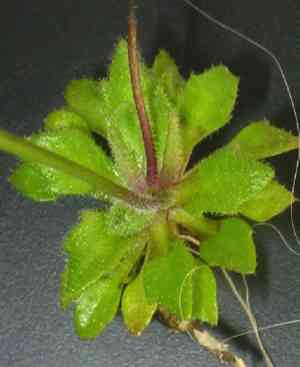
Spring draba(Draba verna)

Spring draba (Draba verna)

Also known as: Nailwort, Whitlow-grass

Spring draba, native to Europe, was introduced to the United States by early European settlers. This plant, belonging to the mustard family, produces tiny white flowers in the early spring.

Attributes of Spring draba

Lifespan
Annual
Plant Type
Herb
Plant Height
5 cm to 15 cm
Spread
Not applicable
Leaf Color
Green
Flower Size
6 mm to 8 mm
Flower Color
White

ForwardPlant - Identify plants with a snap

Identify and diagnose plants, get toxicity alerts, and explore safety guides for all types of fungi.

Try for Free

Images of Spring draba

Spring draba(Draba verna)

Quickly Identify Spring draba

1
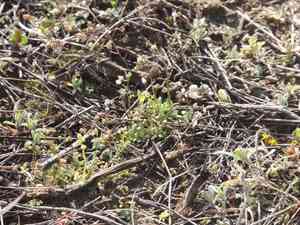
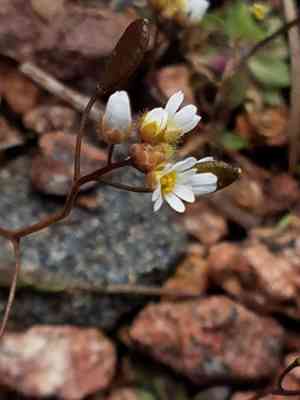
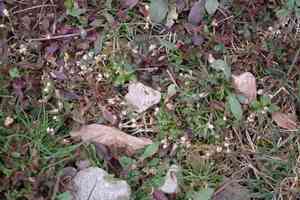
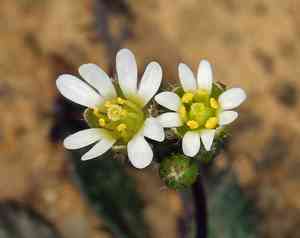
Draba verna can be identified by its small rosette of basal leaves, which are oblong to spatulate, and its white flowers that have deeply notched petals. The plant is low-growing and often forms dense mats.

Scientific Classification of Spring draba

Phylum
Vascular plants
Class
Dicotyledons
Order
Brassicales
Family
Cruciferae
Genus
whitlow-grasses
Species
Spring draba

Planting and Growing of Spring draba

Care Difficulty
Easy
Watering Schedule
Every 2 days
Sunlight Requirements
Full sun
Sunshine Duration
6-10 hours
Ideal Temperature
55-65℉
Soil Type
Potting Mix, Peat Mix
Soil pH
6.5-7.5
Fertilizer Type
Balanced
Pruning Season
Spring, Summer
Pruning Area
Branches, Leaves
Pruning Frequency
2 times a year
Repotting Season
Spring
Pot Type
Plastic, Ceramic

water icon How to Water Spring draba?

Draba verna requires a moderate watering approach. You should ensure the soil is slightly damp but never waterlogged. Water the plant with about 50 ml each time, allowing it to penetrate deep into the soil to reach the roots. Ensure excess water can drain away to prevent root rot.
What are the symptoms of an underwatered Spring draba?
What should I do if my Spring draba is not getting enough water?
What are the symptoms of an overwatered Spring draba?
How to save an overwatered Spring draba?

sunlight icon What Are the Sunlight Requirements for Spring draba?

Sunlight Requirements: Full sun, Partial sun
Duration of light: 4 to 6 hours
Draba verna thrives best under full sun to partial sun conditions. Proper light promotes lush foliage and abundant flowering, crucial for its aesthetic appeal and ecological functionality.
What is the best lighting condition for Draba verna?
How can I ensure the plant gets the ideal sunlight?
What benefits come from achieving ideal lighting?

temperature icon What Is the Ideal Temperature Range for Spring draba?

Ideal Temperature: 55 ~ 65℉
Draba verna, also known as Spring Whitlowgrass, thrives best in cooler climates. The optimal growing temperature range is between 55°F to 65°F. This range ensures the proper metabolic activity and physiological processes that are crucial for its growth. Within this range, the plant maintains healthy leaf and flower development, promoting optimal blooming and seed setting.

soil icon What Soil is Best for Spring draba?

Soil type: Sandy soil, Loam
Soil PH: 6.5 ~ 7.5
Draba verna thrives in well-drained soils that prevent waterlogging. This ensures the roots receive enough oxygen, facilitating healthy growth and preventing root rot. While Draba verna doesn't demand extremely fertile soil, moderately nutrient-rich substrates ensure robust growth and enhance blooming potential. Maintaining slightly moist soil conditions without excessive wetness is crucial. This balance ensures stable growth and prevents fungal diseases.

fertilize icon How to Fertilize Spring draba?

Fertilizer type: Balanced
For Draba verna, the fertilization should be light and infrequent. A liquid fertilizer with balanced nutrients diluted to half strength is appropriate. Apply no more than 50 ml per application, ensuring the soil is moist but not waterlogged.

prune icon How to Prune Spring draba?

Pruning Time: Spring, Summer
First, examine the plant for any dead, diseased, or damaged parts. These should be the primary targets for pruning to maintain plant health. When making cuts, do so at a 45-degree angle just above a leaf node. This technique promotes proper moisture runoff and prevents water-based diseases. Trim excess growth to maintain a desirable shape while ensuring adequate airflow through the plant. This not only improves the plant's visual appeal but enhances its overall health.

propagate icon How to Propagate Spring draba plant?

Propagate Time: Early spring, Late winter
1
Prepare a well-aerated seed starting mix, ideally a blend that includes peat moss, vermiculite, and perlite. This combination maintains moisture while allowing adequate air circulation essential for seed germination.
2
Sow Draba verna seeds just below the surface of the seed starting mix. They require light for germination, so it's important not to bury them too deeply. Ensure they are evenly spaced to facilitate uniform growth.
3
Maintain a temperature around 16-20°C (60-68°F) and ensure that the seeds receive adequate indirect sunlight. Maintaining consistent moisture in the soil without waterlogging is crucial for successful seed germination.

repot icon How to Repot Spring draba plant?

Repotting frequency: Every few years
1
Draba verna usually signals its need for repotting when it becomes root-bound or when you notice a reduced growth rate. Typically, this occurs every few years. The best timing for this process is in early spring, just as the growing season begins and the plant's energy levels are primed for acclimatizing to a new environment.
2
Select a pot that's slightly larger than the current one, ensuring it has ample drainage holes. A larger pot provides space for root expansion, which promotes healthier growth. Consider using a terracotta pot for its breathability, which helps prevent overwatering, a common issue with Draba verna.
3
A well-drained sandy mix is essential for Draba verna, as it mimics its natural habitat's soil conditions. This type of soil prevents water-logging, thereby reducing the risk of root rot. Adding a bit of perlite can enhance drainage further, helping keep the roots healthy and thriving.

ForwardPlant - Identify plants with a snap

Find the best spots for them to optimize their health, simply using your phone.

Try for Free

Toxicity of Spring draba

Is Spring draba toxic to humans?

Spring draba exhibits a mild level of toxicity, presenting a risk to humans mainly via ingestion. The entire plant is considered toxic, and consumption can result in various symptoms associated with poisoning. People who inadvertently consume spring draba may experience gastrointestinal distress, which includes nausea, vomiting, and diarrhea. Moreover, there may be indications of oral irritation, like a burning sensation in the mouth, which can also extend to the throat area. It is crucial for individuals, particularly those who forage for plants or have children, to recognize spring draba's potential dangers to avoid accidental poisoning.

Is Spring draba toxic to cat?

Spring draba presents a mild toxicity risk to felines. If a cat consumes any part of this plant, which is entirely toxic, it may suffer from symptoms of physical unease. While roaming outdoors or within the home environment, a cat could inadvertently eat parts of spring draba, possibly resulting in indicators of illness. Swift veterinary intervention is essential for a cat exhibiting negative reactions after consumption. An immediate trip to the veterinary clinic can ensure that the health and wellbeing of an affected cat are properly managed.

Is Spring draba toxic to dog?

Spring draba presents a minor toxicity hazard for dogs. These animals might inadvertently consume parts of spring draba, which could result in possible poisoning. The entirety of the plant is regarded as toxic, and if a dog ingests it, they may display symptoms like gastrointestinal distress or skin irritation. Dog owners must vigilantly supervise their pets and restrict their access to spring draba. Should a dog ingest spring draba, it is imperative to seek prompt veterinary assistance to ensure the health and welfare of the animal.

Identify toxic plants for your safety

Learn which plants are harmful to you and your pets, and make informed choices for a safer home!

Try for Free
WARNING
The judgment on toxicity and danger is for reference only. We DO NOT GUARANTEE any accuracy of such judgment. Therefore, you SHALL NOT rely on such judgment. It is IMPORTANT TO SEEK PROFESSIONAL ADVICE in advance when necessary.
More About Toxic Techniques