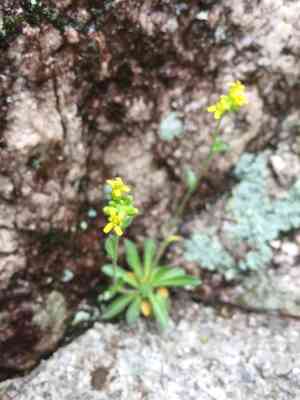
Santa rita mountain draba (Draba petrophila)
Also known as: Rock-loving Whitlow Grass
The plant you're referring to might be the Santa Rita Mountain draba, a tough alpine perennial that excels in rocky environments. It has a compact form with rosette-shaped leaves, adapted to withstand harsh, windy conditions. Its tiny white flowers bloom on short stems, standing out against the stark rocky backdrop. This plant is a prime example of nature's ability to thrive in challenging conditions.
In This Article
Attributes of Santa rita mountain draba
Lifespan
Perennial
Plant Type
Herb
Plant Height
2-12 cm
Spread
Clumping habit, no distinct crown
Leaf Color
Green
Flower Size
0.5-1 cm
Flower Color
Yellow
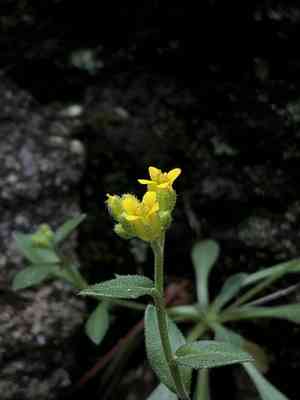
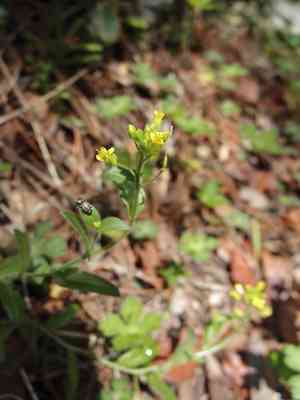
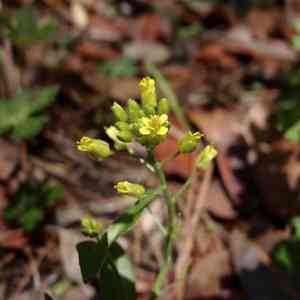
Images of Santa rita mountain draba
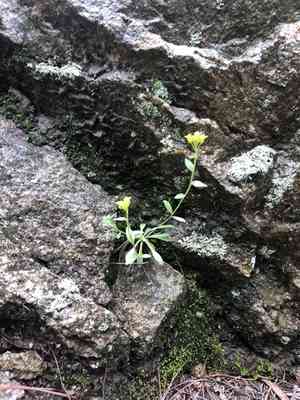
Quickly Identify Santa rita mountain draba
1
Draba petrophila can be identified by its small, yellow flowers and the presence of rosettes of closely packed, hairy leaves. It typically grows in clumps on rocky substrates.
Scientific Classification of Santa rita mountain draba
Phylum
Vascular plants
Class
Dicotyledons
Order
Brassicales
Family
Cruciferae
Genus
whitlow-grasses
Species
Santa rita mountain draba
Planting and Growing of Santa rita mountain draba
Care Difficulty
Moderate
Watering Schedule
Every day
Sunlight Requirements
Full sun
Sunshine Duration
6-10 hours
Ideal Temperature
60-70℉
Soil Type
Potting Mix, Peat Mix
Soil pH
6.5-7.5
Fertilizer Type
Balanced
Pruning Season
Spring, Summer
Pruning Area
Branches, Leaves
Pruning Frequency
Once a year
Repotting Season
Spring
Pot Type
Ceramic, Plastic
 How to Water Santa rita mountain draba?
Draba petrophila requires meticulous attention when it comes to watering. The soil should be moist but not waterlogged, adhering to the principle of less is more. Water thoroughly until water begins to seep from the drainage holes, ensuring even distribution across the root zone.
What are the symptoms of an underwatered Santa rita mountain draba?
›
What should I do if my Santa rita mountain draba is not getting enough water?
›
What are the symptoms of an overwatered Santa rita mountain draba?
›
How to save an overwatered Santa rita mountain draba?
›
 What Are the Sunlight Requirements for Santa rita mountain draba?
Draba petrophila thrives best under full to partial sun conditions. Ideal light enhances photosynthesis, leading to robust growth, vivid coloration, and abundant flowering.
What is the perfect lighting condition for Draba petrophila?
›
How can I achieve ideal lighting for Draba petrophila?
›
What benefits does ideal lighting provide Draba petrophila?
›
 What Is the Ideal Temperature Range for Santa rita mountain draba?
For optimal growth, Draba petrophila thrives best within a temperature range of 60°F to 70°F. Consistent temperatures within this range promote healthy leaf development and vibrant flowering. Sudden temperature fluctuations or prolonged exposure to temperatures outside this range can stress the plant, leading to reduced growth and vitality.
 What Soil is Best for Santa rita mountain draba?
Draba petrophila thrives in well-drained soil environments, preventing root rot and promoting optimal nutrient uptake. This requirement mitigates waterlogging, vital for plant health and vitality. While not overly demanding, Draba petrophila benefits from soil with a moderate nutrient content. This aids in steady growth and blossom quality, offering a robust framework for development. A neutral to slightly alkaline pH is preferable for Draba petrophila. This pH range ensures the best nutrient availability and optimal chemical balance, promoting plant vigor.
 How to Fertilize Santa rita mountain draba?
For Draba petrophila, a delicate and relatively small alpine plant, ensure you use a diluted dose of liquid fertilizer. Typically, a quarter to half of the recommended dose on the fertilizer package should suffice, to avoid overwhelming the sensitive roots.
 How to Prune Santa rita mountain draba?
Before you start pruning, assess the plant's overall health. Look for any dead, damaged, or diseased stems that need removal. This step is crucial for the plant's vitality. Make cuts just above a node to encourage new growth. Trim back any leggy or overgrown parts to maintain the desired shape. This will help the plant look neat and promote a bushier appearance.
More About Pruning Techniques→
 How to Propagate Santa rita mountain draba plant?
1
Collect seeds from mature plants in late summer. Clean and dry them properly. Seed stratification may be necessary to break dormancy before planting in spring.
2
Select healthy stems with several leaf nodes. Cut 10-15 cm pieces and remove lower leaves. Allow cuttings to dry slightly to form a callus before planting.
3
In early spring, dig up the plant and carefully separate the roots into sections. Ensure each division has sufficient roots before replanting in desired locations.
 How to Repot Santa rita mountain draba plant?
1
Draba petrophila should be repotted when you notice the roots starting to circle at the bottom of the pot or poking out of the drainage holes. Another signal is slowed growth despite optimal light and water conditions. Spring and summer are ideal as the plant is in its active growth phase, allowing it to recover more quickly.
2
Select a pot that is slightly larger than the current one, usually 1-2 inches wider in diameter. The material should allow for better air circulation, such as a terracotta pot, which helps to prevent water retention and root rot. A well-draining pot is crucial to mimic its natural rocky habitat.
3
Use a specialized soil for alpines, consisting primarily of a gritty, well-draining mixture. This soil should mimic the plant’s natural rocky environment, promoting robust root growth and preventing waterlogging. Incorporating crushed stones or gravel into the mix ensures proper drainage and aeration.



