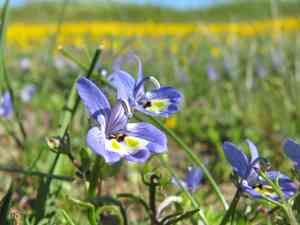
Harlequin calicoflower (Downingia insignis)
Also known as: Calicoflowers, Downingia
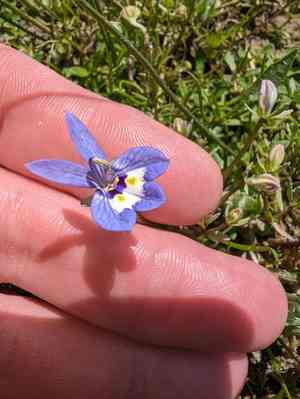
The harlequin calicoflower (Downingia insignis) is a visually striking wildflower found predominantly in California's seasonal wetlands, like vernal pools. It showcases vibrant blue to violet petals adorned with a notable yellow or white spot at the base. The blooms, which are cup-shaped, sit atop delicate, slender stems surrounded by sparse, linear foliage. This plant is specially adapted to thrive in the temporary abundance of water in these transient ecosystems, allowing it to bloom brilliantly when conditions are right.
In This Article
Attributes of Harlequin calicoflower
Lifespan
Annual
Plant Type
Herb
Plant Height
5 to 30 centimeters
Spread
Not applicable
Leaf Color
Green
Flower Size
1 to 2 centimeters
Flower Color
Blue, white, yellow
Images of Harlequin calicoflower
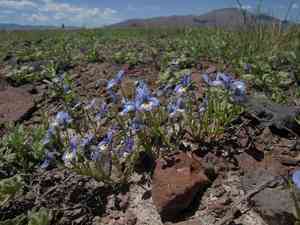
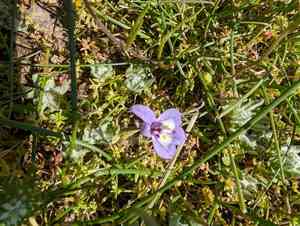
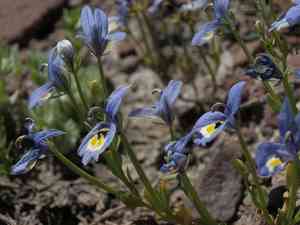
Quickly Identify Harlequin calicoflower
1
To identify Downingia insignis, look for its unique flowers which have two upper petals that are blue and three lower petals that are blue with white and yellow markings. The flowers are bilaterally symmetrical and grow solitary or in clusters on thin, erect stems.
Scientific Classification of Harlequin calicoflower
Phylum
Vascular plants
Class
Dicotyledons
Order
Asterales
Family
Bellflower
Genus
Downingia
Species
Harlequin calicoflower
Planting and Growing of Harlequin calicoflower
Care Difficulty
Moderate
Watering Schedule
Every 3 days
Sunlight Requirements
Partial sun
Sunshine Duration
4-6 hours
Ideal Temperature
60-75℉
Soil Type
Potting Mix, Peat Mix
Soil pH
6.5-7.5
Fertilizer Type
Balanced
Pruning Season
Spring, Summer
Pruning Area
Branches, Leaves
Pruning Frequency
Once a year
Repotting Season
Spring
Pot Type
Plastic, Terracotta
 How to Water Harlequin calicoflower?
For Downingia insignis, it is essential to ensure the soil is adequately moist. Typically, watering with 300ml each time suffices to penetrate the middle layers of the soil, ensuring the roots receive sufficient moisture without being waterlogged. Aim to have a consistently moist but not soggy condition, particularly during its growing season.
What are the symptoms of an underwatered Harlequin calicoflower?
›
What should I do if my Harlequin calicoflower is not getting enough water?
›
What are the symptoms of an overwatered Harlequin calicoflower?
›
How to save an overwatered Harlequin calicoflower?
›
 What Are the Sunlight Requirements for Harlequin calicoflower?
Partial sun for 4 to 6 hours daily is optimal. This balance supports healthy blooms and vibrant foliage while avoiding the risks of overexposure or insufficient light.
What is the best time to provide sunlight?
›
How can I ensure the plant gets ideal light?
›
What are the benefits of ideal lighting?
›
 What Is the Ideal Temperature Range for Harlequin calicoflower?
Downingia insignis grows best when temperatures are maintained within the ideal range of 60°F to 75°F. This range provides a suitable balance of warmth and coolness, promoting healthy growth and the desired blooming period. It's important to keep the plant within this range to ensure optimal development.
 What Soil is Best for Harlequin calicoflower?
Downingia insignis thrives in soil that retains moisture well, like loamy or sandy loam types. This ensures the plants get consistent hydration, crucial for their growth and flowering cycles. The plant benefits from nutrient-rich soil that supports its swift growth and vibrant blooms. A fertile soil provides essential minerals needed for photosynthesis and cellular functions. Soils that offer good aeration and drainage prevent root rot, a common issue if the plants are overwatered. This type of soil structure ensures healthy root development and disease prevention.
 How to Fertilize Harlequin calicoflower?
For Downingia insignis, it is crucial to use a balanced fertilizer with a ratio like 10-10-10 or 20-20-20. Apply liquid fertilizer at a rate of 1/4 teaspoon per gallon every month during the growing season. Over-fertilizing can harm the plant, so ensure the amount is calculated correctly.
 How to Prune Harlequin calicoflower?
Regularly inspect the plant for any signs of damage, disease, or dead parts. Removing these promptly will prevent the spread of disease and allocate nutrients to healthier sections, encouraging vigorous, new growth. Focus on removing spent flowers to encourage more prolific blooming. By deadheading these flowers, the plant can redirect energy from seed production to producing new, vibrant blooms, prolonging the flowering period.
More About Pruning Techniques→
 How to Propagate Harlequin calicoflower plant?
1
Fill a seed tray with a well-draining potting mix, leaving about half an inch of space at the top. Lightly press the soil to create an even surface. Ensure the tray has drainage holes to prevent waterlogging.
2
Scatter Downingia insignis seeds evenly over the prepared soil surface. Cover the seeds with a thin layer of fine potting mix or sand, approximately 1/8 inch deep, to help maintain moisture without burying the seeds too deeply.
3
Gently water the seeds using a spray bottle to avoid displacing them. Cover the seed tray with a transparent lid or plastic wrap to create a mini-greenhouse effect that retains moisture and heat. Place the tray in a warm location with indirect sunlight.
 How to Repot Harlequin calicoflower plant?
1
Downingia insignis signals the need for repotting when its roots begin to circle the inside of the pot or poke out from the drainage holes. It's best to repot during active growth in spring or early summer, allowing the plant to establish in its new pot.
2
Select a pot that is slightly larger than the current one, with ample drainage holes. This ensures room for growth and prevents waterlogging, which can lead to root rot. A terracotta pot is favorable as it allows excess moisture to evaporate.
3
Opt for a well-draining sandy mix to replicate the plant's natural habitat. This aids in preventing water retention, which can harm Downingia insignis, promoting healthy root growth and reducing the risks of fungal infections.
Learn More About Harlequin calicoflower Diseases
Anthracnose
Bacterial Leaf Spot
Bacterial Soft Rot
Bacterial Wilt
Chemical Injury
Damping-off
Downy Mildew
Drought Stress
Fusarium Wilt
Gray Mold
Leaf Curl
Leaf Spot
Mosaic
Nutrient Deficiency
Nutrient Toxicity
Powdery Mildew
Root Rot
Root-knot Nematode
Rusts
Sooty Mold
Spider Mites
Temperature Stress
Thrips Damage
White Mold



