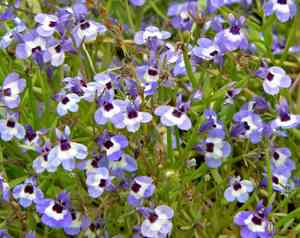
Maroon-spot calico-flower (Downingia concolor)
Also known as: Spotted throat downingia
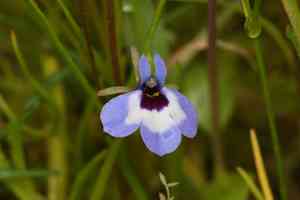
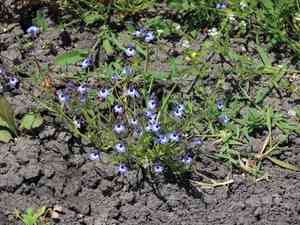
This annual plant features a branching, upright stem adorned with small, spaced-out leaves. Each stem branch culminates in one or more flowers, approximately 1 cm in diameter. The tubular-shaped flowers display two elongated, narrow upper lobes that can be blue or purple. The lower section of the flower merges into a three-lobed structure, similarly colored in blue or purple, but with a prominent white patch at the center and maroon markings near the tube's opening. Small yellow speckles may also be present.
In This Article
Attributes of Maroon-spot calico-flower
Lifespan
Annual
Plant Type
Herb
Plant Height
7-30 cm
Spread
Not applicable; typically does not form a crown
Leaf Color
Green
Flower Size
1-2 cm
Flower Color
White Purple Blue
Images of Maroon-spot calico-flower
Quickly Identify Maroon-spot calico-flower
1
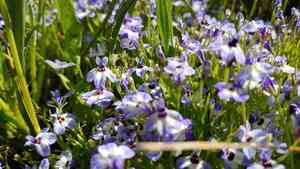
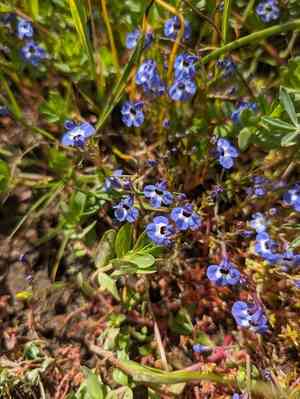
Identify Downingia concolor by its bright blue flowers with a central white patch. The flowers have a distinctive asymmetrical shape and are often found growing in moist environments. Look for a plant that is typically low-growing, with slender, erect stems.
Scientific Classification of Maroon-spot calico-flower
Phylum
Vascular plants
Class
Dicotyledons
Order
Asterales
Family
Bellflower
Genus
Downingia
Species
Maroon-spot calico-flower
Planting and Growing of Maroon-spot calico-flower
Care Difficulty
Easy
Watering Schedule
Every 2 days
Sunlight Requirements
Partial sun
Sunshine Duration
4-8 hours
Ideal Temperature
60-75℉
Soil Type
Potting Mix, Peat Mix
Soil pH
6.5-7.5
Fertilizer Type
Balanced
Pruning Season
Spring, Summer
Pruning Area
Branches, Leaves
Pruning Frequency
2 times a year
Repotting Season
Spring
Pot Type
Plastic, Ceramic
 How to Water Maroon-spot calico-flower?
For Downingia concolor, ensure each watering session moistens the soil thoroughly without making it soggy. The soil should be damp up to 4-5 inches down, allowing the roots to access adequate moisture. This plant thrives with a consistent moisture level, resembling its natural habitat's conditions, characterized by seasonal ponds that dry out gradually.
What are the symptoms of an underwatered Maroon-spot calico-flower?
›
What should I do if my Maroon-spot calico-flower is not getting enough water?
›
What are the symptoms of an overwatered Maroon-spot calico-flower?
›
How to save an overwatered Maroon-spot calico-flower?
›
 What Are the Sunlight Requirements for Maroon-spot calico-flower?
Partial sun. Ideal light helps Downingia concolor maintain vibrant colors and supports consistent blooming, leading to a healthier and aesthetically pleasing plant.
Optimal Number of Sunlight Hours
›
Positioning for Best Light Exposure
›
Balancing Temperature and Light
›
 What Is the Ideal Temperature Range for Maroon-spot calico-flower?
Downingia concolor thrives best when grown in temperatures between 60°F and 75°F. These conditions support ideal cellular processes such as photosynthesis and respiration, ensuring robust growth. Maintaining this temperature range can help prevent stress and promote healthy blooms.
 What Soil is Best for Maroon-spot calico-flower?
Downingia concolor thrives in well-drained soils, ensuring that roots receive adequate oxygen and preventing waterlogging, which can lead to root rot. This species benefits from fertile soils enriched with organic matter, supporting vigorous growth and vibrant blooming through nutrient availability. Although drainage is crucial, the soil should retain some moisture, allowing consistent access to water, vital for the plant's health in arid conditions.
 How to Fertilize Maroon-spot calico-flower?
For Downingia concolor, it is crucial to use a balanced fertilizer in a diluted concentration. Generally, use a liquid fertilizer with a 1/4 to 1/2 strength dosage compared to the standard instruction on the package to avoid over-fertilization.
 How to Prune Maroon-spot calico-flower?
Start by cleaning your tools to prevent disease. Cut back any dead or discolored foliage first. Trim the plant back by about a third, encouraging new and denser growth. Make your cuts just above a node to stimulate healthy sprouting. After pruning, water the plant appropriately and monitor it for signs of stress. Add a layer of mulch to retain moisture and maintain soil temperature, fostering an ideal environment for regrowth.
More About Pruning Techniques→
 How to Propagate Maroon-spot calico-flower plant?
1
Fill the seed tray with potting soil, leaving about a centimeter from the top. Water the soil lightly to ensure it is uniformly moist but not soggy before sowing the seeds.
2
Scatter the seeds evenly over the surface of the soil. Avoid burying them too deep; a light dusting of soil can be placed over them. Lightly mist to settle the seeds into place.
3
Place the seed tray in a warm, sunny location or under grow lights. Ensure the temperature remains consistent for successful germination. Monitor moisture levels as seeds need a consistently moist soil environment.
 How to Repot Maroon-spot calico-flower plant?
1
Downingia concolor, known for its radiant blooms, signals the need for repotting when roots start protruding from the drainage holes or when its growth visibly slows down despite optimal care. The best time to repot is during early spring or early autumn, ensuring the plant is in its active growth phase, which minimizes stress and promotes recovery.
2
Selecting the appropriate pot for Downingia concolor is crucial for its health and growth. Opt for a container that is 1-2 inches larger in diameter than the current one to allow root expansion. Ensure the pot has adequate drainage holes, and choose a material like clay or terracotta, which provides breathability and prevents root rot, promoting healthy aeration.
3
The soil for repotting Downingia concolor should be a well-draining sandy loam to mimic its natural habitat, which prevents waterlogging and root rot. A mix of sand, peat, and perlite will offer excellent drainage while retaining necessary moisture, supporting its growth and bloom.



