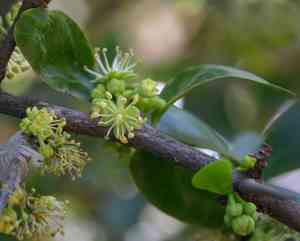
Dovyalis (Dovyalis) (Dovyalis)
Also known as: Kei Apple, African Apricot
The Dovyalis genus encompasses shrubs and small trees, with around 15 species originating from Africa (from Ethiopia to South Africa) and southern Asia (including India and Sri Lanka). These plants are characterized by their dense, thorny nature and can grow to heights of 3 to 6 meters. They feature sharp, stem spines located in the leaf axils, from which clusters of simple, ovate leaves emerge. The flowers are small and lack petals, appearing either singly or in clusters. The fruit is a globose berry, varying in color from yellow to purple, and contains multiple small seeds. It is known for being edible.
In This Article
Attributes of Dovyalis (Dovyalis)
Lifespan
Perennial
Plant Height
2 to 5 meters
Spread
1.5 to 3 meters
Leaf Color
Dark green
Flower Size
1 to 2 centimeters
Flower Color
Greenish-yellow
Images of Dovyalis (Dovyalis)
Quickly Identify Dovyalis (Dovyalis)
1
Dovyalis plants are often recognized by their thorny stems, glossy dark green leaves, and small unisexual flowers. The fruit is typically a small, round berry that can range in color from yellow to deep orange when ripe.
Scientific Classification of Dovyalis (Dovyalis)
Phylum
Tracheophyta
Class
Magnoliopsida
Order
Malpighiales
Family
Salicaceae
Genus
Dovyalis
Planting and Growing of Dovyalis (Dovyalis)
Care Difficulty
Moderate
Watering Schedule
Every 2 days
Sunlight Requirements
Full sun
Sunshine Duration
6-10 hours
Ideal Temperature
68-86℉
Soil Type
Potting Mix, Peat Mix
Soil pH
6.5-7.5
Fertilizer Type
Balanced
Pruning Season
Spring, Summer
Pruning Area
Branches, Leaves
Pruning Frequency
2 times a year
Repotting Season
Spring
Pot Type
Terracotta, Plastic
 How to Water Dovyalis (Dovyalis)?
Dovyalis plants require a moderate amount of water, usually around 500 ml per watering session. The soil should be moist but not waterlogged, allowing the roots to absorb necessary moisture without suffocating.
What are the symptoms of an underwatered Dovyalis (Dovyalis)?
›
What should I do if my Dovyalis (Dovyalis) is not getting enough water?
›
What are the symptoms of an overwatered Dovyalis (Dovyalis)?
›
How to save an overwatered Dovyalis (Dovyalis)?
›
 What Are the Sunlight Requirements for Dovyalis (Dovyalis)?
Partial sun exposure is optimal for Dovyalis, ideally involving morning sunlight and afternoon shade. Proper light promotes healthier growth and robust foliage development.
What is the ideal lighting setup for Dovyalis?
›
How can you ensure Dovyalis receives the correct lighting?
›
What are the benefits of ideal lighting for Dovyalis?
›
 What Is the Ideal Temperature Range for Dovyalis (Dovyalis)?
The ideal temperature range for Dovyalis is between 68°F and 86°F. This range ensures the plant can thrive with optimal growth and fruiting. Maintaining temperatures within this range mimics the plant’s natural tropical and subtropical habitat, promoting healthy foliage and robust development.
 What Soil is Best for Dovyalis (Dovyalis)?
Dovyalis thrives in well-drained soil, which allows excess water to efficiently seep away, preventing root rot and promoting healthy root development. This enhances the plant's ability to absorb nutrients and water effectively. The presence of organic matter in the soil improves its fertility, enhancing water retention and nutrient supply. This is vital for Dovyalis, as it supports robust growth and a bountiful yield of fruits. Dovyalis does best in soils that maintain moderate moisture levels, avoiding extremes of dryness or wetness. Consistent moisture supports stable plant growth and fruit production, ensuring a healthy and productive plant.
 How to Fertilize Dovyalis (Dovyalis)?
When fertilizing Dovyalis, use about 1/4 cup of balanced 10-10-10 granular fertilizer per plant. This amount provides the right nutrients without overwhelming the plant. Adjust according to plant size; larger plants might need more.
 How to Prune Dovyalis (Dovyalis)?
Begin by assessing the overall shape and health of your Dovyalis. Identify any dead, diseased, or damaged branches, as these should be removed first. Look for branches that cross or rub against each other and decide which ones to prune for better air circulation. Start by cutting back to the point of origin for any errant or overly vigorous shoots. This encourages the growth of shorter, sturdier branches. Prune selectively to maintain an open center, which facilitates light penetration and reduces the risk of fungal diseases. Shape the plant to your preference by gently trimming it to balance its aesthetic and structural form. Cut just above a healthy, outward-facing bud to encourage outward growth. This helps create a well-balanced, attractive form.
 How to Propagate Dovyalis (Dovyalis) plant?
1
Collect ripe seeds from the plant's fruit. Clean them thoroughly to remove any pulp residue, which can inhibit germination. Allow them to dry in a cool, dark place before planting.
2
Select healthy, non-flowering stems for cuttings. Cut a 4 to 6-inch section and remove the lower leaves. Dip the cut end into rooting hormone, then plant it into a moist propagation medium.
3
Select a low, flexible branch of the plant and carefully bend it to the ground. Remove leaves from the section that will be buried, and gently scrape the underside to encourage root growth before securing it into the soil.
 How to Repot Dovyalis (Dovyalis) plant?
1
Dovyalis needs repotting when its roots begin to crawl out of drainage holes or when growth visibly stagnant. Look for these signs coupled with compacted soil; they're clear indicators the plant is ready for a new home.
2
Select a pot with a diameter 2-3 inches larger than the current one, ensuring it has ample drainage holes. Using a pot that allows for expansion prevents root binding, promoting vibrant growth and ensuring healthy water circulation.
3
Opt for a well-draining, slightly acidic soil mix, ideally with components like peat, perlite, and organic matter. These ingredients ensure that the roots have good aeration, preventing soggy conditions that could lead to root rot.

