Dorstenia (Dorstenia) (Dorstenia)
Also known as: Fig-Spores, Shields
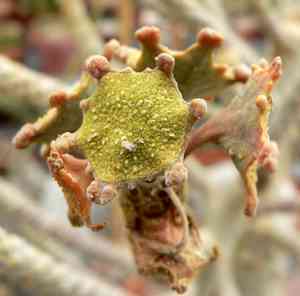
Dorstenia species are mainly herbaceous or succulent perennials, with only a small fraction displaying the typical woody characteristics of the Moraceae family. Their leaves are commonly arranged in spirals or rosettes, with less frequent instances of two-rowed arrangements. The foliage can range from leathery and durable to small and quickly deciduous. The flowers are unisexual and can appear globular, tapered, or warty. The plants produce drupe-like fruits embedded in the receptacle, containing small stone seeds with minimal endosperm. These species are distributed relatively evenly across tropical regions in Africa and the Americas.
In This Article
Attributes of Dorstenia (Dorstenia)
Lifespan
Perennial
Plant Height
10-50 cm depending on species
Spread
10-40 cm
Leaf Color
Green
Flower Size
2-8 cm
Flower Color
Green to yellow, sometimes with purple or brown
Images of Dorstenia (Dorstenia)
Quickly Identify Dorstenia (Dorstenia)
1
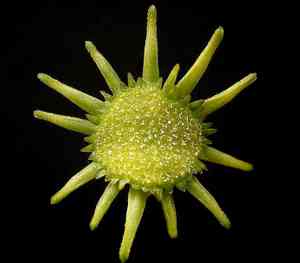
Dorstenia plants can be identified by their unique, flat or slightly curved flowering structures called hypanthodia, which resemble a blend between a flower and a leaf. Their leaves are usually simple and may vary in shape and size, often exhibiting a glossy surface.
Scientific Classification of Dorstenia (Dorstenia)
Phylum
Magnoliophyta
Class
Magnoliopsida
Order
Rosales
Family
Moraceae
Genus
Dorstenia
Planting and Growing of Dorstenia (Dorstenia)
Care Difficulty
Moderate
Watering Schedule
Every 3 days
Sunlight Requirements
Partial sun
Sunshine Duration
6-10 hours
Ideal Temperature
65-75℉
Soil Type
Potting Mix, Peat Mix
Soil pH
6.5-7.5
Fertilizer Type
Balanced
Pruning Season
Spring, Summer
Pruning Area
Branches, Leaves
Pruning Frequency
2 times a year
Repotting Season
Spring
Pot Type
Terracotta, Plastic
 How to Water Dorstenia (Dorstenia)?
Dorstenia prefers moderate watering. Ensure that the soil remains slightly moist but not soggy. Water evenly until you notice excess drainage from the bottom of the pot, which usually means around 200 ml is adequate, depending on the pot size and environment.
What are the symptoms of an underwatered Dorstenia (Dorstenia)?
›
What should I do if my Dorstenia (Dorstenia) is not getting enough water?
›
What are the symptoms of an overwatered Dorstenia (Dorstenia)?
›
How to save an overwatered Dorstenia (Dorstenia)?
›
 What Are the Sunlight Requirements for Dorstenia (Dorstenia)?
Partial sun, 4-6 hours of buffered sunlight facilitates robust growth for Dorstenia, enhancing chlorophyll production and bolstering overall resistance against pests and diseases.
Ideal Light Setting
›
Solution to Achieve Ideal Light
›
Benefits of Ideal Lighting
›
 What Is the Ideal Temperature Range for Dorstenia (Dorstenia)?
The ideal temperature range for Dorstenia plants is between 65°F to 75°F. This range ensures optimal growth and health, allowing the plant to photosynthesize efficiently and maintain appropriate moisture levels. Temperatures within this range support the plant's requirements for metabolic processes and overall wellbeing.
 What Soil is Best for Dorstenia (Dorstenia)?
Dorstenia thrives in well-drained soil that prevents waterlogging, ensuring its roots receive adequate oxygen. This setup helps avoid root rot and promotes healthy growth. Ensure the soil is rich in organic matter, like compost, to provide Dorstenia with essential nutrients, fostering strong stem and leaf development. While Dorstenia prefers dry conditions, the soil should be capable of holding some moisture to sustain the plant between waterings, promoting consistent growth.
 How to Fertilize Dorstenia (Dorstenia)?
The optimal fertilizer amount for Dorstenia involves using a balanced NPK fertilizer diluted to half its strength. This ensures a steady supply of nutrients without overwhelming the plant’s root system. For liquid fertilizers, use approximately 100-150 ml per application for a medium-sized pot.
 How to Prune Dorstenia (Dorstenia)?
When pruning Dorstenia, aim to enhance its natural shape. Start by removing dead or weak stems, then cut back long, straggly stems to promote a bushier plant. Trim just above a node to encourage new growth. Ensure that the plant receives adequate sunlight by thinning out dense foliage. This allows sunlight to reach the center of the plant, promoting healthier growth and reducing the risk of fungal issues.
 How to Propagate Dorstenia (Dorstenia) plant?
1
Start by choosing healthy and mature Dorstenia plants, as these will provide the best material for propagation. Ensure the selected plant is free of disease and pest infestation to increase the chances of successful propagation.
2
Before you begin, sanitize all the tools and prepare the propagation area. Cleanliness reduces the risk of contamination, which is crucial for the successful propagation of Dorstenia.
3
Place seeds on the surface of the soil in seed trays and cover with a thin layer of soil. For cuttings, insert the cut end into a potting mix. Ensure the medium is kept moist but not waterlogged to promote rooting and growth.
 How to Repot Dorstenia (Dorstenia) plant?
1
Dorstenia should be repotted when roots start protruding from the drainage holes, or when the plant appears root-bound, indicating that it's outgrown its current pot. Spring and summer are ideal times since active growth will help it recover quickly.
2
Choose a pot that's slightly larger than the current one, with good drainage holes. This prevents waterlogging, ensuring the roots have enough room to grow while reducing the risk of root rot. Terracotta pots are beneficial as they allow for air exchange.
3
Opt for a well-draining soil mix, incorporating sand or perlite. This facilitates adequate drainage and prevents waterlogged conditions, which could lead to root rot. Using a sandy mix mimics the plant's natural habitat, promoting healthy growth.
Learn More About Dorstenia (Dorstenia) Diseases
Anthracnose
Bacterial Leaf Spot
Bacterial Soft Rot
Bacterial Wilt
Crown Gall
Cyst Nematode
Damping-off
Downy Mildew
Drought Stress
Fusarium Wilt
Gray Mold
Leaf Spot
Mosaic
Nutrient Deficiency
Nutrient Toxicity
Powdery Mildew
Root Rot
Root-knot Nematode
Sooty Mold
Spider Mites
Temperature Stress
Thrips Damage
White Mold

