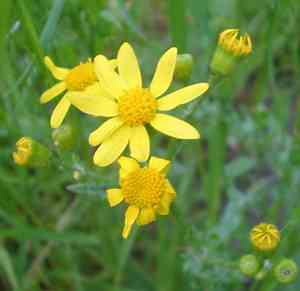
Leopard's banes (Doronicum) (Doronicum)
Also known as: Leopard's Bane, Leopardbane, False Leopard's Bane
These herbaceous perennials are native to Europe, southwest Asia, and Siberia, and they feature yellow, daisy-like flowerheads.
In This Article
Attributes of Leopard's banes (Doronicum)
Lifespan
Perennial
Plant Height
30 cm to 1.2 m
Spread
30 cm to 90 cm
Leaf Color
Green
Flower Size
2.5 cm to 8 cm
Flower Color
Yellow
Images of Leopard's banes (Doronicum)
Quickly Identify Leopard's banes (Doronicum)
1
Doronicum can be identified by its heart-shaped or oval leaves, which may be toothed or lobed, and its vibrant yellow, daisy-like flowers that typically bloom in early spring.
Scientific Classification of Leopard's banes (Doronicum)
Phylum
Tracheophyta
Class
Magnoliopsida
Order
Asterales
Family
Asteraceae
Genus
Doronicum
Planting and Growing of Leopard's banes (Doronicum)
Care Difficulty
Easy
Watering Schedule
Every 2 days
Sunlight Requirements
Full sun
Sunshine Duration
6-10 hours
Ideal Temperature
60-70℉
Soil Type
Potting Mix, Peat Mix
Soil pH
6.5-7.5
Fertilizer Type
Balanced
Pruning Season
Spring, Summer
Pruning Area
Branches, Leaves
Pruning Frequency
2 times a year
Repotting Season
Spring
Pot Type
Plastic, Ceramic
 How to Water Leopard's banes (Doronicum)?
Doronicum requires consistent moisture to thrive, but be careful not to overwater. Ensure the soil is evenly moist without becoming waterlogged. A general guideline is to water until you see slight runoff from the pot's drainage holes, suggesting the entire root zone has been sufficiently moistened.
What are the symptoms of an underwatered Leopard's banes (Doronicum)?
›
What should I do if my Leopard's banes (Doronicum) is not getting enough water?
›
What are the symptoms of an overwatered Leopard's banes (Doronicum)?
›
How to save an overwatered Leopard's banes (Doronicum)?
›
 What Are the Sunlight Requirements for Leopard's banes (Doronicum)?
Doronicum performs ideally in full sun to partial sun, enhancing flower quantity and quality. Balanced light exposure results in a vigorous, resilient plant with lush foliage and stunning blooms.
What is the ideal amount of sunlight?
›
How can you ensure it gets ideal lighting?
›
What are the benefits of proper lighting?
›
 What Is the Ideal Temperature Range for Leopard's banes (Doronicum)?
Doronicum thrives best when temperatures range between 60 to 70 degrees Fahrenheit. This range offers the optimal environment for growth and promotes healthy bloom and foliage. The plants' metabolic processes operate most efficiently within this range, ensuring robust growth and resilience against common pests and diseases.
 What Soil is Best for Leopard's banes (Doronicum)?
Doronicum requires well-drained soil to thrive. Proper drainage ensures that the roots do not sit in water, which can cause rot. This condition helps the plant flourish by allowing it to absorb the necessary nutrients and prevent diseases. This plant prefers soil that maintains consistent moisture. Not too wet, and not too dry. Adequate moisture supports healthy growth and vibrant blooms, making sure the plant remains lush and green throughout its growing season. Enriching the soil with organic matter, like compost, is beneficial for Doronicum. This provides essential nutrients and enhances soil structure, which in turn supports robust plant health and an abundance of flowers.
 How to Fertilize Leopard's banes (Doronicum)?
When fertilizing Doronicum, use a balanced fertilizer diluted to half strength to prevent over-fertilization. For liquid fertilizers, apply approximately 50ml per small plant and adjust proportionally for larger clusters or garden beds.
 How to Prune Leopard's banes (Doronicum)?
Start by examining your Doronicum plant closely. Use sharp, sanitized pruning shears to remove any dead or damaged stems. Trim back long stems to maintain the plant's desired shape. Regularly removing spent blooms will promote new growth. Always prune above a healthy set of leaves or node to encourage better branching.
 How to Propagate Leopard's banes (Doronicum) plant?
1
Collect seeds from mature Doronicum plants after the flowers have faded. Clean and dry the seeds thoroughly to prevent mold growth. Store them in a dry, cool place until you're ready to plant.
2
Gently dig up the mature plant in spring. Carefully separate the roots and stems into smaller sections, ensuring each piece has a healthy root system. Replant immediately in prepared soil to encourage quick rooting.
3
For both seed and division propagation, plant the seeds or divisions in well-draining soil. Water regularly, but ensure the soil does not become waterlogged. Provide partial to full sunlight depending on your environmental conditions.
 How to Repot Leopard's banes (Doronicum) plant?
1
It's time to repot Doronicum when you notice the roots circling the bottom of the pot or emerging from the drainage holes. These are clear signs that the plant is root-bound and needs more space to grow. Also, if the plant's growth has stunted despite proper care, this could indicate that the soil has exhausted its nutrients, suggesting that a repotting is in order.
2
Select a pot that's one size larger than the current one to allow room for growth. Ensure it has adequate drainage holes to prevent waterlogging, as Doronicum plants dislike excessive moisture around their roots. A pot that breathes well helps the soil to dry out between waterings, aiding root health by providing proper air circulation.
3
A well-draining, loamy soil is ideal for repotting Doronicum. This type of soil retains sufficient water without becoming soggy, providing the roots with the moisture they need while still allowing excess water to escape. Loamy soil is nutrient-rich, which supports the plant's growth post-repotting by ensuring a steady supply of essential nutrients.
Learn More About Leopard's banes (Doronicum) Diseases
Anthracnose
Bacterial Leaf Spot
Bacterial Soft Rot
Damping-off
Downy Mildew
Drought Stress
Fusarium Wilt
Gray Mold
Leaf Spot
Mosaic
Nutrient Deficiency
Nutrient Toxicity
Powdery Mildew
Root Rot
Root-knot Nematode
Rusts
Sooty Mold
Spider Mites
Temperature Stress
Thrips Damage
White Mold
Chemical Injury

