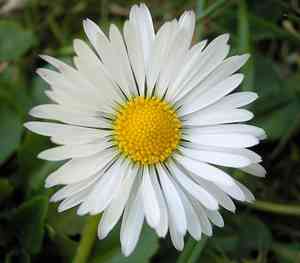
Parasol whitetop(Doellingeria umbellata)

Parasol whitetop (Doellingeria umbellata)

Also known as: Flat-top white aster, Tall white-aster

Parasol whitetop (Doellingeria umbellata) is a perennial plant known for its dark green leaves and white flowers with yellow centers that bloom from late summer to early autumn. Here are the ideal growing conditions and maintenance tips:

**Growing Conditions:**

1. **Light**: Prefers full sun but can tolerate partial shade.
2. **Soil**: Needs moist, well-draining soil; slightly acidic to neutral pH is best.
3. **Water**: Requires consistently moist conditions; avoid letting the soil dry out completely.
4. **Hardiness**: Suitable for USDA zones 3-8, enduring a variety of temperatures.

**Maintenance Tips:**

- **Watering**: Ensure regular watering, especially during dry periods.
- **Mulching**: Use mulch to help retain soil moisture and minimize weed growth.
- **Cutting Back**: Prune dead stems in early spring to promote vigorous new growth.
- **Fertilization**: Apply a balanced, slow-release fertilizer in early spring to support healthy development.
- **Pest and Disease Monitoring**: Generally low-maintenance but keep an eye out for common pests and diseases.

These guidelines will help you maintain a thriving Parasol whitetop plant with beautiful blooms.

Attributes of Parasol whitetop

Lifespan
Perennial
Plant Type
Herb
Plant Height
61 cm to 2 m
Spread
90 cm
Leaf Color
Green
Flower Size
2.5 cm
Flower Color
White

ForwardPlant - Identify plants with a snap

Identify and diagnose plants, get toxicity alerts, and explore safety guides for all types of fungi.

Try for Free

Images of Parasol whitetop

Parasol whitetop(Doellingeria umbellata)

Quickly Identify Parasol whitetop

1
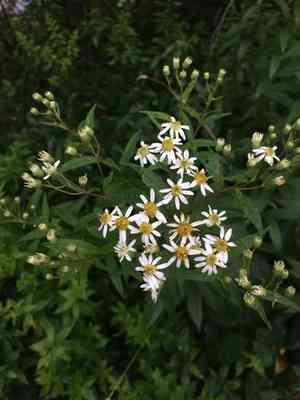
Flat-topped clusters of small white flowers
2
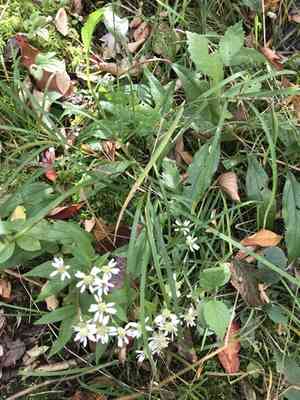
Lanceolate leaves up to 6 inches long
3
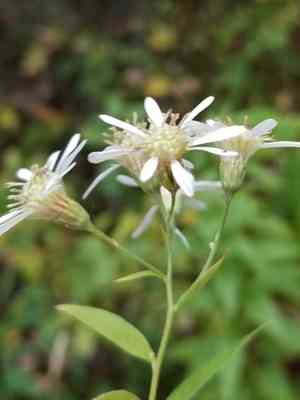
Flower heads with white petals and yellow disc flowers
4
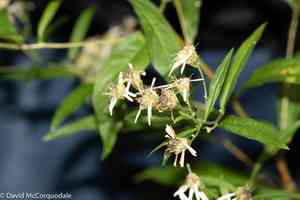
Tiny achenes with hair covering for wind dispersal
5
Unbranched, upright stem with reddish-green coloration

Scientific Classification of Parasol whitetop

Phylum
Vascular plants
Class
Dicotyledons
Order
Asterales
Family
Daisy
Genus
Tall flat-topped asters
Species
Parasol whitetop

Planting and Growing of Parasol whitetop

Care Difficulty
Easy
Watering Schedule
Every 8 days
Sunlight Requirements
Full sun
Sunshine Duration
6-10 hours
Ideal Temperature
60-75℉
Soil Type
Potting Mix, Peat Mix
Soil pH
6.5-7.5
Fertilizer Type
Balanced
Pruning Season
Spring, Summer
Pruning Area
Branches, Leaves
Pruning Frequency
2 times a year
Repotting Season
Spring
Pot Type
Terracotta, Plastic

water icon How to Water Parasol whitetop?

When watering Doellingeria umbellata, aim to moisten the soil thoroughly without waterlogging it. This plant prefers evenly moist conditions, so ensure water reaches the root zone. A general rule of thumb is to water until you see slight drainage at the bottom of the pot, indicating sufficient hydration.
What are the symptoms of an underwatered Parasol whitetop?
What should I do if my Parasol whitetop is not getting enough water?
What are the symptoms of an overwatered Parasol whitetop?
How to save an overwatered Parasol whitetop?

sunlight icon What Are the Sunlight Requirements for Parasol whitetop?

Sunlight Requirements: Full sun, Partial sun
Duration of light: 4 to 6 hours
Doellingeria umbellata prefers four to six hours of direct or filtered sunlight per day. This range supports its growth, enabling flowering and strong foliage development while minimizing stress-related issues.
What is the optimal light condition for Doellingeria umbellata?
How to achieve the ideal light condition for Doellingeria umbellata?
What benefits does ideal lighting provide to Doellingeria umbellata?
More About Sunlight Requirements Techniques

temperature icon What Is the Ideal Temperature Range for Parasol whitetop?

Ideal Temperature: 60 ~ 75℉
The ideal temperature range for Doellingeria umbellata, commonly known as the Tall White Aster, is between 60°F and 75°F. This temperature range is optimal for its growth and ensures vibrant blooming and robust health. Outside this range, the plant might not thrive as effectively, and its growth could be stunted.

soil icon What Soil is Best for Parasol whitetop?

Soil type: Loam, Sandy loam, Peat soil
Soil PH: 6.5 ~ 7.5
Doellingeria umbellata thrives in well-drained soil, which allows excess water to escape, preventing root rot. This characteristic is crucial for maintaining the plant's health and ensuring robust growth. While it prefers well-drained conditions, the soil should also retain enough moisture to sustain the plant during dry spells. This balance helps in promoting healthy foliage and abundant blooms. Incorporating organic matter into the soil provides essential nutrients, enhancing soil fertility and structure, which supports the plant’s vigorous growth and resilience against pests and diseases.

fertilize icon How to Fertilize Parasol whitetop?

Fertilizer type: Balanced
Doellingeria umbellata thrives on a balanced approach to fertilization. When applying liquid fertilizers, aim for a diluted solution around half the recommended strength on the label. For slow-release fertilizers, scatter approximately 1/4 cup per square foot in early spring, taking care not to exceed this to prevent root burn.

prune icon How to Prune Parasol whitetop?

Pruning Time: Spring, Summer, Autumn
To maintain its natural form, begin pruning Doellingeria umbellata in early spring. Trim away any elongated or growths that disturb its symmetrical shape. Aim for a dense, bushy plant structure by selectively shortening overgrown branches. This approach helps in promoting fuller canopy growth without compromising the plant's inherent design. Regular deadheading throughout the blooming season, particularly in summer, helps the plant concentrate energy on developing new blooms. Furthermore, removing spent flowers mitigates the risk of unwanted self-seeding. In addition, periodic cleaning of the plant by removing yellowing leaves or dead stems prevents disease and keeps the garden tidy. More About Pruning Techniques

propagate icon How to Propagate Parasol whitetop plant?

Propagate Time: Spring, Early spring, Late spring
1
To propagate from seeds, start by preparing a seedbed with a mixture of fine soil and compost. The soil should be well-draining yet retain enough moisture to keep the seeds hydrated during germination.
2
For cutting propagation, select healthy, non-flowering shoots from the parent plant. Use a sterilized knife or shears to take 4-6 inch cuttings. Remove leaves from the lower half and dip the cut end into rooting hormone for better results.
3
When dividing, dig up the entire plant carefully to avoid damaging the roots. Gently separate the plant into smaller sections using your hands or a knife. Each section should have a healthy root system and at least one shoot to thrive independently.
More About Propagating Techniques

repot icon How to Repot Parasol whitetop plant?

Repotting frequency: Every 2-3 years
1
Repot Doellingeria umbellata when you notice signs like roots growing out of drainage holes, compacted soil, or stunted growth. These are indicators that your plant needs more room to grow and fresh soil for nutrients. Typically, this can be observed every couple of years.
2
Select a pot that is just one to two inches larger in diameter than the current one. It should have adequate drainage holes to prevent waterlogging, which is crucial for protecting the plant's roots from rot. A slightly bigger pot minimizes transplant shock and provides space for growth.
3
Choose a well-draining potting mix rich in organic matter. This soil type promotes healthy root growth by allowing excess water to flow through, reducing the risk of root rot while retaining enough moisture to keep the plant happy and thriving.

ForwardPlant - Identify plants with a snap

Find the best spots for them to optimize their health, simply using your phone.

Try for Free