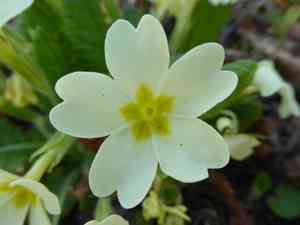
Dodecatheon conjugens (Dodecatheon conjugens)
Also known as: Desert Shooting Star, Bonneville Shooting Star
Dodecatheon conjugens, also known as Primula conjugens, is a perennial plant with thick roots and narrow, oval leaves at its base. It features slender, dark-colored stems that rise up, each topped with clusters of one to seven striking flowers. These flowers typically bloom from spring to early summer. Initially, the blooms nod downward but become more upright as they mature.
In This Article
Attributes of Dodecatheon conjugens
Lifespan
Perennial
Plant Type
Herb
Plant Height
8 cm to 28 cm
Spread
Typically forms a rosette base, so crown diameter is less significant.
Leaf Color
Green
Flower Size
1-2 inches (2.5-5 cm)
Flower Color
Pink, Magenta, with a yellow ring at the base
Images of Dodecatheon conjugens
Quickly Identify Dodecatheon conjugens
1
Dodecatheon conjugens can be identified by its basal rosette of oblong to lanceolate leaves, which are often hairy. The flowers have backward-bending petals and are usually pink or magenta, with a yellow ring at the base.
Scientific Classification of Dodecatheon conjugens
Phylum
Vascular plants
Class
Dicotyledons
Order
Ericales
Family
Primrose
Genus
Shooting star
Species
Dodecatheon conjugens
Planting and Growing of Dodecatheon conjugens
Care Difficulty
Moderate
Watering Schedule
Every 2 days
Sunlight Requirements
Partial sun
Sunshine Duration
4-8 hours
Ideal Temperature
60-75℉
Soil Type
Potting Mix, Peat Mix
Soil pH
6.5-7.5
Fertilizer Type
Balanced
Pruning Season
Spring, Summer
Pruning Area
Branches, Leaves
Pruning Frequency
2 times a year
Repotting Season
Spring
Pot Type
Plastic, Terracotta
 How to Water Dodecatheon conjugens?
For Dodecatheon conjugens, water the plant until the soil is thoroughly moist but not soggy. A good rule of thumb is to water with about 250 ml each time, making sure that excess water drains away to prevent root rot. The aim is to keep the soil evenly moist, mimicking the plant's natural environment near moist meadows.
What are the symptoms of an underwatered Dodecatheon conjugens?
›
What should I do if my Dodecatheon conjugens is not getting enough water?
›
What are the symptoms of an overwatered Dodecatheon conjugens?
›
How to save an overwatered Dodecatheon conjugens?
›
 What Are the Sunlight Requirements for Dodecatheon conjugens?
Partial sun exposure mimics its natural environment, balancing direct and indirect light. Ideal light ensures vibrant blooms and healthy foliage, harmonizing metabolic functions for sustained energy production and growth.
How much sun exposure does Dodecatheon conjugens prefer?
›
What solutions help achieve ideal lighting?
›
What benefits arise from ideal lighting?
›
 What Is the Ideal Temperature Range for Dodecatheon conjugens?
The ideal temperature range for Dodecatheon conjugens is between 60°F and 75°F. This range ensures optimal growth and flowering by providing the right balance of warmth and moisture. Within this range, the plant can effectively photosynthesize and metabolize nutrients, promoting overall health and vigor.
 What Soil is Best for Dodecatheon conjugens?
Dodecatheon conjugens thrives in soil that drains well, preventing root rot from excess water. This ensures the plant remains healthy and vibrant by avoiding soggy conditions that can suffocate the roots. Rich, loamy soil provides the essential nutrients needed for Dodecatheon conjugens to flourish. The ample nutrients aid in lush foliage growth and support the plant's stunning floral displays. Having soil that retains moisture but doesn't stay waterlogged is critical. It allows Dodecatheon conjugens to access sufficient water between natural dry spells, ensuring consistent growth and resilience.
 How to Fertilize Dodecatheon conjugens?
For Dodecatheon conjugens, use a balanced fertilizer diluted to half strength. Apply about 1 tablespoon of liquid fertilizer per gallon of water. For slow-release fertilizers, use approximately 1/2 cup per plant annually.
 How to Prune Dodecatheon conjugens?
Begin by identifying any dead, damaged, or diseased foliage. These should be the first to be removed to prevent further issues and to allow the plant to focus its energy on healthy growth. Cut back the stems to just above a leaf node or where new growth is evident. This encourages the plant to develop a more bushy habit and promotes a fuller bloom in the following season. Prune to shape by removing any excess foliage that detracts from the plant's desired form. Use clean, sharp shears to make precise cuts, which promote better healing and disease prevention.
More About Pruning Techniques→
 How to Propagate Dodecatheon conjugens plant?
1
Fill the tray with a high-quality seed starting mix, making sure it's evenly moist. This will provide the right environment for seed germination.
2
Scatter the seeds evenly over the tray's surface, pressing them lightly into the soil. Cover with a thin layer of soil, as these seeds need some light to germinate.
3
Carefully dig up the plant and separate it into sections, ensuring each has roots attached. This method rejuvenates older plants and keeps them healthy.
 How to Repot Dodecatheon conjugens plant?
1
For Dodecatheon conjugens, look for crowded roots bursting out of the pot or growth stagnation as a signal. Spring is ideal because the plant begins its active growth phase, making it more resilient to the disturbances of repotting.
2
Opt for a pot that is one size larger with ample drainage holes. This prevents water-logging, offers more space for root expansion, and ensures a healthier root system which is crucial for sustaining vibrant blooms and foliage.
3
Select a well-draining potting mix, rich in organic matter. This type of soil offers excellent aeration and drains efficiently, preventing root rot while retaining enough moisture to keep the roots hydrated.
Learn More About Dodecatheon conjugens Diseases
Anthracnose
Bacterial Leaf Spot
Bacterial Soft Rot
Bacterial Wilt
Crown Gall
Cyst Nematode
Damping-off
Downy Mildew
Drought Stress
Fusarium Wilt
Gray Mold
Leaf Spot
Mosaic
Nutrient Deficiency
Nutrient Toxicity
Powdery Mildew
Root Rot
Root-knot Nematode
Rusts
Sooty Mold
Spider Mites
Temperature Stress
Thrips Damage
White Mold



