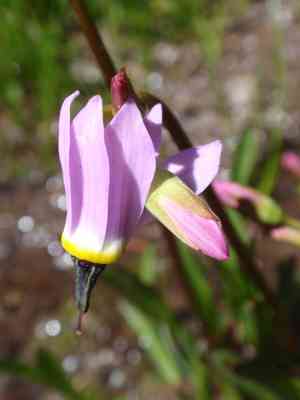
Alpine shootingstar (Dodecatheon alpinum)
Also known as: Alpine Shooting Star, Mountain Shooting Star
The plant features tall, slender, dark-colored stems that support clusters of striking flowers. Initially, each flower faces downward, but as they mature, they become more upright.
In This Article
Attributes of Alpine shootingstar
Lifespan
Perennial
Plant Type
Herb
Plant Height
10 cm to 51 cm
Spread
N/A
Leaf Color
Green
Flower Size
1-2 cm (0.4-0.8 inches)
Flower Color
Pink, Magenta, occasionally Lavender
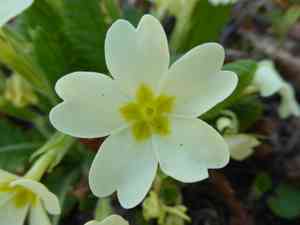
Images of Alpine shootingstar
Quickly Identify Alpine shootingstar
1
Dodecatheon alpinum can be identified by its characteristic reflexed petals that point backwards, and its yellowish to white central tube resembling a shooting star. The plant\'s leaves are basal, oblong to lanceolate, and form a rosette at the base.
Scientific Classification of Alpine shootingstar
Phylum
Vascular plants
Class
Dicotyledons
Order
Ericales
Family
Primrose
Genus
Shooting star
Species
Alpine shootingstar
Planting and Growing of Alpine shootingstar
Care Difficulty
Moderate
Watering Schedule
Every 3 days
Sunlight Requirements
Partial sun
Sunshine Duration
4-8 hours
Ideal Temperature
60-75℉
Soil Type
Potting Mix, Peat Mix
Soil pH
6.5-7.5
Fertilizer Type
Balanced
Pruning Season
Spring, Summer
Pruning Area
Branches, Leaves
Pruning Frequency
2 times a year
Repotting Season
Spring
Pot Type
Plastic, Ceramic
 How to Water Alpine shootingstar?
For Dodecatheon alpinum, a consistent and moderate watering regimen is essential. Ideally, provide around 250 milliliters of water each time. Water until the soil is evenly moist but not soggy. This avoids the roots sitting in water, which can lead to rot.
What are the symptoms of an underwatered Alpine shootingstar?
›
What should I do if my Alpine shootingstar is not getting enough water?
›
What are the symptoms of an overwatered Alpine shootingstar?
›
How to save an overwatered Alpine shootingstar?
›
 What Are the Sunlight Requirements for Alpine shootingstar?
Dodecatheon alpinum excels in partial sun, thriving with 4-6 hours of filtered sunlight daily. This range ensures optimal photosynthesis and flowering, supporting robust health and resilience against environmental stresses.
What type of light is best for Dodecatheon alpinum?
›
How can I ensure my Dodecatheon alpinum gets ideal light?
›
What are the benefits of ideal lighting for Dodecatheon alpinum?
›
 What Is the Ideal Temperature Range for Alpine shootingstar?
This temperature range closely mimics the natural habitat conditions of Dodecatheon alpinum, a plant typically found in alpine and subalpine meadows where it thrives. Temperatures within this range provide optimal conditions for photosynthesis, growth, and flowering, promoting healthy development and vibrant blooms.
 What Soil is Best for Alpine shootingstar?
Dodecatheon alpinum thrives in nutrient-rich soil that can support its unique growth needs. This type of soil is loaded with essential minerals and organic matter, which promote robust root development and overall plant health. Proper drainage is crucial for the growth of Dodecatheon alpinum, preventing water from pooling around the roots. Well-drained soil helps avoid root rot and other moisture-related issues, ensuring the plant receives adequate air and nutrients. Although good drainage is vital, the soil must also retain some moisture to mimic the plant's natural alpine habitat. Balanced moisture retention supports consistent water supply without oversaturation, fostering a healthy growing environment.
 How to Fertilize Alpine shootingstar?
For Dodecatheon alpinum, utilize a diluted liquid fertilizer at half strength. During the growing season, apply about 100 ml per application to avoid nutrient overload. This amount ensures the plant receives adequate nutrients without risk of burning the roots or leaves.
 How to Prune Alpine shootingstar?
Start by removing any wilted or brown leaves at the base. Trim back spent flower stalks to the foliage level to tidy up the plant. Be gentle to avoid damaging new shoots. It's crucial to cut at an angle to ensure water does not sit on cut surfaces, which can lead to rot.
More About Pruning Techniques→
 How to Propagate Alpine shootingstar plant?
1
Start by filling a seed tray with a well-draining compost mixture. Scatter the Dodecatheon alpinum seeds evenly over the surface, pressing them gently into the soil. Keep the soil consistently moist but not waterlogged. Provide indirect light and maintain a temperature of around 15-20°C (59-68°F).
2
In early spring, carefully lift mature Dodecatheon alpinum plants from the ground. Use a sharp knife or spade to divide the root clump into smaller sections, ensuring each section has a healthy shoot and root system. Replant each division at the same depth they were growing previously.
3
Once the seedlings have a few sets of true leaves, they can be transplanted into individual pots. Gently remove each seedling from the tray, being careful not to damage the root system. Plant them in pots filled with well-draining soil and water thoroughly.
 How to Repot Alpine shootingstar plant?
1
Dodecatheon alpinum usually needs repotting when its roots start circling inside the pot or begin growing out of the drainage holes. This is often a sign that the plant has outgrown its current home and requires a larger space to ensure healthy growth.
2
When selecting a new pot, ensure it's slightly larger than the current one, providing ample room for roots to expand. Opting for a pot with drainage holes is vital to prevent waterlogging. This helps maintain optimal soil moisture levels and prevents root rot, promoting a healthy plant.
3
Ideal soil for Dodecatheon alpinum should be well-draining and rich in organic matter. Using a mix with components like peat and perlite ensures good drainage and aeration, supporting robust root development and preventing moisture-related issues.
Learn More About Alpine shootingstar Diseases
Anthracnose
Bacterial Leaf Spot
Bacterial Wilt
Crown Gall
Cyst Nematode
Damping-off
Downy Mildew
Drought Stress
Fusarium Wilt
Gray Mold
Leaf Curl
Leaf Spot
Mosaic
Nutrient Deficiency
Nutrient Toxicity
Powdery Mildew
Root Rot
Root-knot Nematode
Rusts
Sooty Mold
Spider Mites
Temperature Stress
Thrips Damage
White Mold



