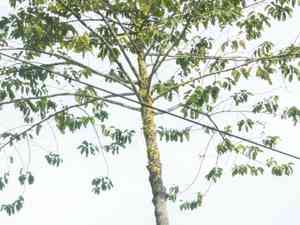
Dischidia (Dischidia) (Dischidia)
Also known as: Ant Plant, Kangaroo Pocket Plant
Dischidia plants, originating from tropical Asia, are a genus known for their epiphytic nature, often growing on trees. Their popularity as houseplants comes from their easy-care requirements, appealing foliage, and ability to thrive in hanging arrangements. In their natural habitat, many Dischidia species form symbiotic relationships with their host plants, adding to their intriguing characteristics.
In This Article
Attributes of Dischidia (Dischidia)
Lifespan
Perennial
Plant Height
Up to 1 meter depending on growth conditions
Spread
Varies widely, often trailing or climbing
Leaf Color
Green, sometimes with white or yellow variegation
Flower Size
Less than 1 cm
Flower Color
White, pink, or red
Images of Dischidia (Dischidia)
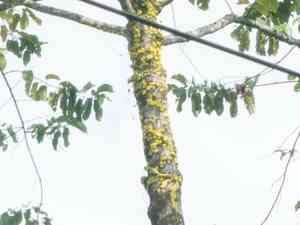
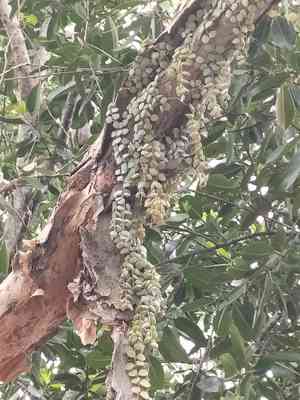
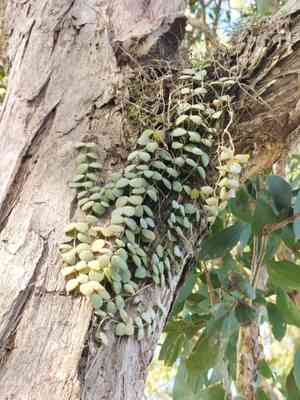
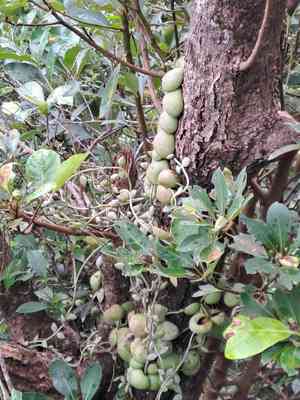
Quickly Identify Dischidia (Dischidia)
1
Dischidia plants can be identified by their small, often succulent leaves which can be rounded or elongated. Some species have unique adaptations like pouch leaves, which form small cavities.
Scientific Classification of Dischidia (Dischidia)
Phylum
Tracheophyta
Class
Magnoliopsida
Order
Gentianales
Family
Apocynaceae
Genus
Dischidia
Planting and Growing of Dischidia (Dischidia)
Care Difficulty
Moderate
Watering Schedule
Every 4 days
Sunlight Requirements
Partial sun
Sunshine Duration
6-10 hours
Ideal Temperature
65-80℉
Soil Type
Potting Mix, Peat Mix
Soil pH
6.5-7.5
Fertilizer Type
Balanced
Pruning Season
Spring, Summer
Pruning Area
Branches, Leaves
Pruning Frequency
2 times a year
Repotting Season
Spring
Pot Type
Terracotta, Plastic
 How to Water Dischidia (Dischidia)?
For Dischidia, watering should be done carefully to mimic its natural habitat as an epiphyte. Use approximately 50 milliliters of water. Ensure that the water drains completely through the pot. The goal is to keep the mix only moist and not soggy, allowing for adequate aeration to the roots.
What are the symptoms of an underwatered Dischidia (Dischidia)?
›
What should I do if my Dischidia (Dischidia) is not getting enough water?
›
What are the symptoms of an overwatered Dischidia (Dischidia)?
›
How to save an overwatered Dischidia (Dischidia)?
›
 What Are the Sunlight Requirements for Dischidia (Dischidia)?
Dischidia prefers partial sun, thriving with bright, indirect light. Ideal lighting conditions promote robust foliage, maintaining the plant's vibrant look and health.
What is the best place for Dischidia?
›
How can I simulate ideal lighting indoors?
›
What happens if Dischidia gets ideal lighting?
›
 What Is the Ideal Temperature Range for Dischidia (Dischidia)?
What is the ideal temperature range for cultivating Dischidia? The ideal temperature range for cultivating Dischidia is between 65°F and 80°F. This temperature range allows the plant to thrive, promoting healthy growth and development. Maintaining this temperature range ensures that the plant's metabolic processes function optimally, leading to vibrant foliage and robust structural integrity.
 What Soil is Best for Dischidia (Dischidia)?
Dischidia thrive in well-drained soil, which prevents root rot by allowing excess water to escape. This is crucial for maintaining healthy roots and promoting vigorous growth, ensuring the plant doesn't sit in soggy conditions. Having aerated soil helps the roots of Dischidia get enough oxygen, which is vital for respiration and nutrient uptake. This kind of soil structure supports robust and efficient root health. Dischidia often require a nutrient-rich medium to support their lush growth. An enriched substrate provides essential nutrients that enable larger and healthier foliage development.
 How to Fertilize Dischidia (Dischidia)?
When it comes to fertilizing Dischidia, less is often more. They require only a modest amount of fertilizer to thrive. Use a diluted liquid fertilizer at half the recommended strength to avoid over-fertilization. With their epiphytic nature, they are not heavy feeders, making it important to err on the side of caution.
 How to Prune Dischidia (Dischidia)?
Start by identifying long stems that appear leggy. These are ideal candidates for pruning to promote a fuller, bushier appearance. Make clean cuts just above a leaf node. This encourages new growth to sprout from these nodes, making the plant look denser over time. As you prune, also take time to remove any dead or yellowing leaves. This not only keeps the plant looking tidy but also helps prevent potential diseases. After pruning, ensure to clean up any fallen leaves or stems around the plant base to prevent pest and disease infestation.
 How to Propagate Dischidia (Dischidia) plant?
1
Choose healthy, non-flowering stems from the parent plant. The stems should be mature but not too woody. Ensure each cutting is about 10-15 cm long with several leaves.
2
Remove the lower leaves from the cuttings and dip the cut ends into rooting hormone powder. Make sure to cover the end thoroughly to encourage root growth.
3
Insert the cuttings into a well-draining potting mix. Water the potting mix lightly to settle it around the cuttings. Ensure the soil remains moist but not waterlogged.
 How to Repot Dischidia (Dischidia) plant?
1
Repot Dischidia when you notice roots circling the pot or emerging from the drainage holes. This indicates the plant is becoming root-bound, which can stunt its growth. Spring and summer are ideal as these are active growth periods.
2
Select a pot that is slightly larger than the current one. The pot should have good drainage to prevent water from pooling, as Dischidia prefers not to sit in soggy soil. A hanging pot can help replicate its natural growing conditions.
3
Choose a well-draining orchid mix that retains some moisture while allowing excess water to escape. This prevents root rot and provides airflow, mimicking the plant's epiphytic nature. Incorporating perlite or coconut husk can enhance drainage.

