
Dipteronia dyeriana (Dipteronia dyeriana)
Also known as: None
The tree you're referring to is the maple tree. This deciduous tree boasts a broad canopy of compound leaves that transform into stunning shades of yellow and red during the autumn season. Its distinctive winged fruit, known as samaras, spin like tiny helicopters as they fall, assisting in seed dispersal. Preferring temperate climates, the maple tree thrives in well-drained soils and abundant sunlight.
In This Article
Attributes of Dipteronia dyeriana
Lifespan
Perennial
Plant Type
Tree
Plant Height
Up to 10 meters
Spread
Up to 5 meters
Leaf Color
Green
Flower Size
Approximately 1 cm
Flower Color
Yellowish
Images of Dipteronia dyeriana
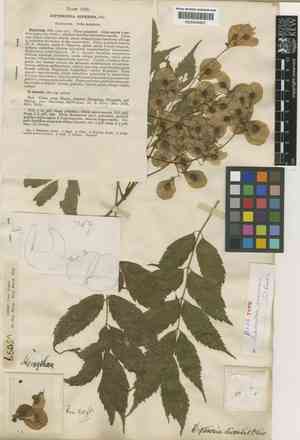
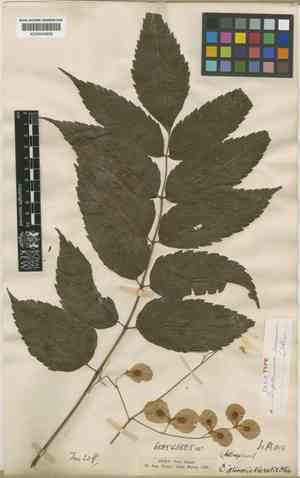
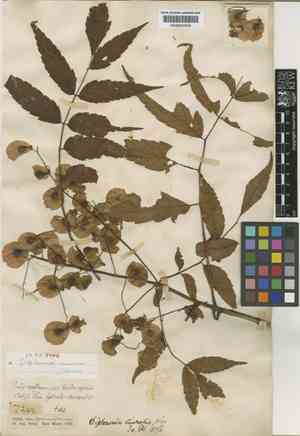
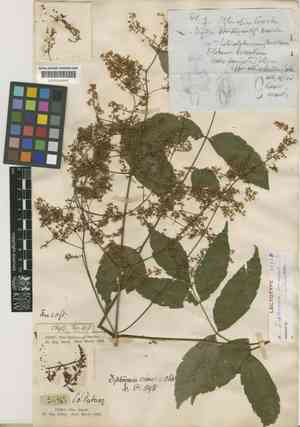
Quickly Identify Dipteronia dyeriana
1
To identify Dipteronia dyeriana, look for compound leaves with multiple leaflets, small yellowish flowers, and winged fruits that resemble those of the related maple trees.
Scientific Classification of Dipteronia dyeriana
Phylum
Vascular plants
Class
Dicotyledons
Order
Maples, mangos, mahogany, citrus, and allies
Family
Soapberry
Genus
Dipteronia
Species
Dipteronia dyeriana
Planting and Growing of Dipteronia dyeriana
Care Difficulty
Moderate
Watering Schedule
Every 2 days
Sunlight Requirements
Partial sun
Sunshine Duration
4-8 hours
Ideal Temperature
60-75℉
Soil Type
Potting Mix, Peat Mix
Soil pH
6.5-7.5
Fertilizer Type
Balanced
Pruning Season
Spring, Summer
Pruning Area
Branches, Leaves
Pruning Frequency
2 times a year
Repotting Season
Spring
Pot Type
Terracotta, Plastic
 How to Water Dipteronia dyeriana?
For Dipteronia dyeriana, the watering amount should be enough to keep the soil evenly moist but not waterlogged. Use approximately 500 ml per watering session, ensuring the water reaches the root zone but does not pool on the surface. The goal is to mimic natural rainfall conditions, allowing the soil to dry slightly between watering.
What are the symptoms of an underwatered Dipteronia dyeriana?
›
What should I do if my Dipteronia dyeriana is not getting enough water?
›
What are the symptoms of an overwatered Dipteronia dyeriana?
›
How to save an overwatered Dipteronia dyeriana?
›
 What Are the Sunlight Requirements for Dipteronia dyeriana?
Partial sun to full shade is optimal, facilitating healthy development. Proper lighting ensures lush foliage, vigorous growth, and strengthens resistance against environmental stressors, enhancing vitality.
What type of sunlight is best?
›
How to achieve ideal lighting indoors?
›
Benefits of ideal lighting?
›
 What Is the Ideal Temperature Range for Dipteronia dyeriana?
The ideal temperature range for cultivating Dipteronia dyeriana is between 60 and 75 degrees Fahrenheit. This range provides the optimal conditions for growth and development, ensuring that the plant's metabolic processes occur at a healthy rate. Maintaining this temperature range helps the plant thrive in terms of foliage density and overall vitality.
 What Soil is Best for Dipteronia dyeriana?
Dipteronia dyeriana thrives in nutrient-rich loam or sandy loam that provides essential minerals for robust growth. Such soils ensure healthy leaf development and vibrant color presentation. Ensuring well-drained soil is crucial to prevent root rot in Dipteronia dyeriana. Proper drainage allows roots to breathe and prevents waterlogging, promoting overall plant health. The soil should retain some moisture to keep Dipteronia dyeriana hydrated, yet not soggy. This balance ensures roots have access to water without experiencing drowning, promoting steady growth.
 How to Fertilize Dipteronia dyeriana?
Dipteronia dyeriana requires careful attention to fertilization to support healthy growth. Use a balanced liquid fertilizer with an N-P-K ratio of 10-10-10. For liquid applications, dilute 1 tablespoon per gallon of water. For slow-release fertilizers, apply approximately 1 tablespoon for every square foot of soil.
 How to Prune Dipteronia dyeriana?
To prune Dipteronia dyeriana effectively, start by using sharp, clean shears. Make cuts at a 45-degree angle just above a bud or node, ensuring that airflow is optimized within the plant's canopy. Remove any dead or diseased branches as soon as they are spotted to stimulate healthier growth and better air circulation.
 How to Propagate Dipteronia dyeriana plant?
1
Harvest ripe seeds from the mature Dipteronia dyeriana plant carefully. Ensure the seeds are fully matured and free from disease for successful germination.
2
Prepare a well-draining soil mixture composed of equal parts peat moss, perlite, and sand. This provides the necessary aeration and moisture retention required for root development.
3
Cut a healthy stem from the parent plant using pruning shears. Dip the cut end in rooting hormone before planting it into the prepared soil mixture to enhance root formation.
 How to Repot Dipteronia dyeriana plant?
1
Dipteronia dyeriana should be repotted when roots start emerging from the drainage holes or when it shows signs of stunted growth. Spring and autumn are optimal, as the plant is either coming out of dormancy or slowing down, making it less stressful to repot. Look for wilting leaves, slow growth rate, or very compacted soil as indicators.
2
Select a pot that is one size larger than the current container to avoid excessive moisture retention. Ensure that it has good drainage holes to prevent root rot. The material can be terracotta for good breathability or plastic for easy handling. A suitable pot helps provide stability and adequate space for new root development, promoting healthier and stronger growth.
3
Use a well-draining potting mix that retains enough moisture without becoming waterlogged. Adding perlite or sand can enhance drainage, ensuring the roots can breathe. This type of soil mix prevents root rot and encourages the plant's roots to spread properly, leading to robust and vigorous growth.
Learn More About Dipteronia dyeriana Diseases
Anthracnose
Bacterial Leaf Spot
Black Spot
Chemical Injury
Crown Gall
Damping-off
Downy Mildew
Drought Stress
Fusarium Wilt
Gray Mold
Leaf Curl
Leaf Spot
Mosaic
Nutrient Deficiency
Nutrient Toxicity
Powdery Mildew
Root Rot
Root-knot Nematode
Rusts
Sooty Mold
Spider Mites
Temperature Stress
Thrips Damage
White Mold



