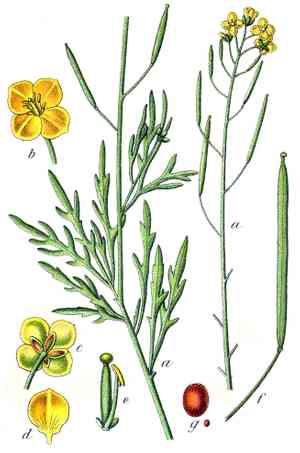
Perennial wall-rocket (Diplotaxis tenuifolia)
Also known as: White rocket, Wild Italian arugula
The **perennial wall-rocket (Diplotaxis tenuifolia)** is a species in the Brassicaceae family. Known for its resilience, this plant often thrives in challenging environments like walls and cliff faces. Additionally, its leaves release a distinct aroma when crushed.
In This Article
Attributes of Perennial wall-rocket
Lifespan
Perennial
Plant Type
Herb
Plant Height
20 cm to 1 m
Spread
20 cm
Leaf Color
Green
Flower Size
1 cm
Flower Color
Yellow
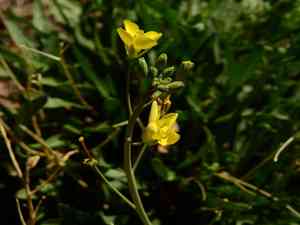
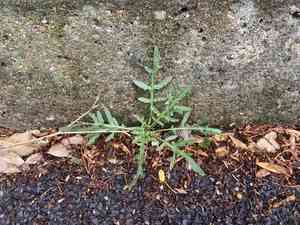
Images of Perennial wall-rocket


Quickly Identify Perennial wall-rocket
1
Identifying Diplotaxis tenuifolia involves looking for its finely divided, deep green leaves that have a spicy, mustard-like flavor. The plant can grow up to 60 cm tall and produces small, bright yellow flowers in clusters.
Scientific Classification of Perennial wall-rocket
Phylum
Vascular plants
Class
Dicotyledons
Order
Brassicales
Family
Cruciferae
Genus
Wall-rockets
Species
Perennial wall-rocket
Planting and Growing of Perennial wall-rocket
Care Difficulty
Easy
Watering Schedule
Every 3 days
Sunlight Requirements
Full sun
Sunshine Duration
4-8 hours
Ideal Temperature
60-70℉
Soil Type
Potting Mix, Peat Mix
Soil pH
6.5-7.5
Fertilizer Type
Balanced
Pruning Season
Spring, Summer
Pruning Area
Branches, Leaves
Pruning Frequency
2 times a year
Repotting Season
Spring
Pot Type
Plastic, Ceramic
 How to Water Perennial wall-rocket?
Diplotaxis tenuifolia, commonly known as wild rocket, thrives with moderate watering. Watering should be enough to moisten the soil to a depth of about 15 cm (6 inches). This ensures that the roots have access to moisture without becoming waterlogged. Always allow the topsoil to dry out slightly between waterings to prevent root rot.
What are the symptoms of an underwatered Perennial wall-rocket?
›
What should I do if my Perennial wall-rocket is not getting enough water?
›
What are the symptoms of an overwatered Perennial wall-rocket?
›
How to save an overwatered Perennial wall-rocket?
›
 What Are the Sunlight Requirements for Perennial wall-rocket?
Diplotaxis tenuifolia thrives in full or partial sun. These conditions promote vigorous growth, enhancing both its culinary flavor and resilience against environmental stressors.
How much sunlight does Diplotaxis tenuifolia need?
›
How to ensure optimal light conditions for Diplotaxis tenuifolia?
›
What are the benefits of ideal sunlight exposure for Diplotaxis tenuifolia?
›
 What Is the Ideal Temperature Range for Perennial wall-rocket?
For optimal growth, Diplotaxis tenuifolia, also known as wild rocket or arugula, thrives best in a temperature range of 60 to 70°F. This range allows for robust growth and healthy leaf production. It’s important to maintain steady temperatures within this range to avoid stress on the plant, encouraging vigorous growth and maximizing its nutritional qualities.
 What Soil is Best for Perennial wall-rocket?
Diplotaxis tenuifolia thrives in well-draining soil, which prevents waterlogging and promotes healthy root systems. Ensuring good drainage keeps the roots from rotting and supports robust plant growth. This plant enjoys a nutrient-rich soil composition that supplies essential minerals for growth. A balance of organic matter stimulates vibrant, lush foliage and enhances the plant's resilience against pests and diseases. While good drainage is essential, the soil should also retain moderate moisture to support the plant during dry spells. This characteristic helps maintain the plant's vitality and prevents dehydration during hot weather.
 How to Fertilize Perennial wall-rocket?
When fertilizing Diplotaxis tenuifolia, use a balanced liquid fertilizer diluted to half strength. Typically, a dilution of 10-20-10 NPK ratio works well. For solid fertilizers, apply about 1 pound per 100 square feet. Always follow the product instructions to avoid over-fertilization.
 How to Prune Perennial wall-rocket?
Identify and remove any dead, damaged, or diseased leaves and stems. This encourages healthy growth and prevents the spread of decay or disease. Look out for brown, shriveled parts, and make clean cuts just above healthy nodes. Pinching off flowers as they wilt can promote further flowering and prevent the plant from directing too much energy into seed production. This helps extend the flowering period and maintains plant vitality.
 How to Propagate Perennial wall-rocket plant?
1
After the flowering period, collect seeds from mature seed pods. Ensure that the seeds are dry before storing them in a cool, dark place to maintain viability.
2
Choose a light, well-draining potting mix. Fill seed trays or small pots and water the soil lightly to create optimal moisture levels for seed germination.
3
Sow the seeds on the surface of the prepared soil and cover them lightly with a thin layer of compost. Place the trays in a location with indirect sunlight for consistent warmth.
 How to Repot Perennial wall-rocket plant?
1
Diplotaxis tenuifolia needs repotting when roots start emerging from the drainage holes or when growth slows down despite optimal care. Spring or early summer is ideal, as the plant can recover swiftly with abundant energy from longer days.
2
Choose a pot that is 1-2 inches larger in diameter than the current one. Ensure it has sufficient drainage holes to prevent waterlogging, which can lead to root rot. A slightly larger pot provides ample space for root expansion, promoting healthy growth.
3
Opt for a well-draining soil mix, such as a cactus or succulent mix. This ensures that excess water is efficiently expelled, reducing the risk of overwatering. The addition of coarse sand or perlite can further enhance drainage, benefiting Diplotaxis tenuifolia immensely.



