
White wallrocket (Diplotaxis erucoides)
Also known as: White Wall Rocket, Erucoid Wallflower
The white wallrocket (Diplotaxis erucoides) belongs to the Brassicaceae family, which also includes plants like cabbage, mustard greens, and broccoli. Native to the western Mediterranean, it is commonly foraged as an edible wild green. Additionally, there has been interest in cultivating it as an agricultural crop.
In This Article
Attributes of White wallrocket
Lifespan
Annual, Biennial
Plant Type
Herb
Plant Height
20 cm to 60 cm
Spread
30 cm
Leaf Color
Green
Flower Size
6 mm to 8 mm
Flower Color
White Yellow Pink Green
Images of White wallrocket
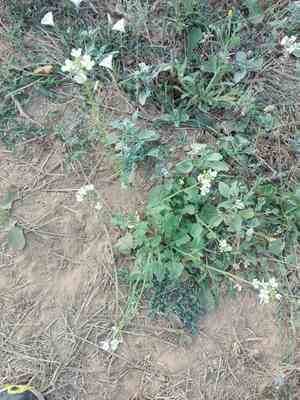

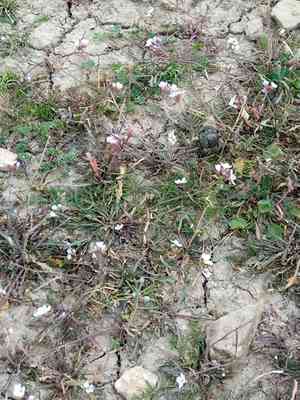
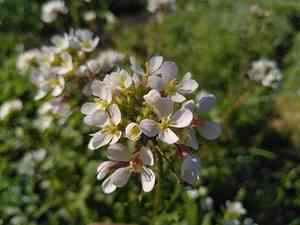
Quickly Identify White wallrocket
1
Identifying Diplotaxis erucoides involves looking for its small, white, four-petaled flowers and its pinnately lobed leaves. The plant tends to grow in disturbed soils and can often be found along roadsides.
Scientific Classification of White wallrocket
Phylum
Vascular plants
Class
Dicotyledons
Order
Brassicales
Family
Cruciferae
Genus
Wall-rockets
Species
White wallrocket
Planting and Growing of White wallrocket
Care Difficulty
Easy
Watering Schedule
Every 4 days
Sunlight Requirements
Full sun
Sunshine Duration
4-8 hours
Ideal Temperature
60-75℉
Soil Type
Potting Mix, Peat Mix
Soil pH
6.5-7.5
Fertilizer Type
Balanced
Pruning Season
Spring, Summer
Pruning Area
Branches, Leaves
Pruning Frequency
2 times a year
Repotting Season
Spring
Pot Type
Plastic, Ceramic
 How to Water White wallrocket?
When watering Diplotaxis erucoides, aim to provide around 500 ml of water per session. The soil should be moistened evenly, reaching just past the plant's root zone. Ensure water is applied slowly to allow even absorption, preventing pooling on the surface.
What are the symptoms of an underwatered White wallrocket?
›
What should I do if my White wallrocket is not getting enough water?
›
What are the symptoms of an overwatered White wallrocket?
›
How to save an overwatered White wallrocket?
›
 What Are the Sunlight Requirements for White wallrocket?
Diplotaxis erucoides thrives best with partial to full sun exposure. Ideal lighting promotes healthy growth and robust flowering, increasing resilience to environmental challenges and enhancing ornamental appeal.
More About Sunlight Requirements Techniques→
What are the ideal lighting conditions for Diplotaxis erucoides?
›
How to achieve ideal lighting conditions for Diplotaxis erucoides?
›
Benefits of ideal lighting conditions for Diplotaxis erucoides?
›
 What Is the Ideal Temperature Range for White wallrocket?
Diplotaxis erucoides thrives best in mild climates where the temperature consistently stays between 60°F and 75°F. This temperature range allows for optimal photosynthesis, energy production, and nutrient uptake, fostering healthy growth and robust flowering.
 What Soil is Best for White wallrocket?
Diplotaxis erucoides thrives in well-drained soils, which prevents waterlogging. This condition ensures roots receive adequate oxygen, promoting healthy growth and reducing the risk of root rot. A soil rich in nutrients is essential for Diplotaxis erucoides, as it supports vigorous leaf and flower development. Regular enrichment with organic matter or balanced fertilizers can enhance growth and blooming. This plant prefers a neutral to slightly alkaline pH, which facilitates nutrient absorption. Ensuring soil pH is within this range promotes optimal physiological processes and overall plant vitality.
 How to Fertilize White wallrocket?
For Diplotaxis erucoides, use a balanced fertilizer with an N-P-K ratio of 10-10-10. For liquid fertilizers, dilute them to a quarter of the recommended strength to prevent root burning and apply approximately 50 ml per plant per application.
 How to Prune White wallrocket?
Start by removing any dead or diseased branches. These are easily identifiable as they may appear dry, brittle, and discolored. Removing them helps in diverting energy to healthier parts of the plant and prevents the spread of diseases. Trim the plant to encourage a desired shape or size. Focus on cutting back any overly long or unruly growth to maintain a neat appearance. Aim for a balance that allows sunlight and air to penetrate through the branches.
More About Pruning Techniques→
 How to Propagate White wallrocket plant?
1
Fill the seed starting tray with well-draining potting mix. Lightly press the seeds onto the surface and gently mist them. Keep the tray covered to retain moisture, placing it in a warm, well-lit location.
2
Use sterile pruning shears to cut a 4-6 inch section of healthy stem. Remove any leaves from the lower half and dip the cut end in rooting hormone to promote root development.
3
Insert the treated end of the cutting into a small pot filled with a moist potting mix. Ensure it's positioned in a way that supports upright growth and maintain high humidity around the cutting.
 How to Repot White wallrocket plant?
1
Diplotaxis erucoides needs repotting when its roots start poking out of the pot's drainage holes, or the plant's growth noticeably slows. These signals indicate that the plant has outgrown its current environment and requires more space.
2
Choose a pot just one size larger than the current one. Ensure it has good drainage holes to prevent water accumulation. A slightly larger pot helps the plant focus on healthy root growth without overwhelming it with excessive space.
3
Opt for a well-draining, loamy soil with a pH range of 6.0 to 7.5. Such soil ensures an adequate supply of nutrients and prevents root rot, providing an optimal environment for Diplotaxis erucoides to thrive.
Learn More About White wallrocket Diseases
Bacterial Leaf Spot
Bacterial Soft Rot
Clubroot
Cyst Nematode
Damping-off
Downy Mildew
Drought Stress
Fusarium Wilt
Gray Mold
Leaf Spot
Mosaic
Nutrient Deficiency
Nutrient Toxicity
Powdery Mildew
Root Rot
Root-knot Nematode
Rusts
Sooty Mold
Spider Mites
Temperature Stress
Thrips Damage
White Mold
Chemical Injury



