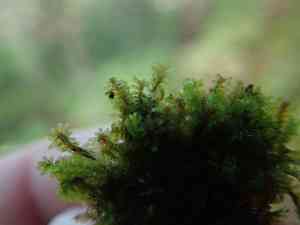
White earwort (Diplophyllum albicans)
Also known as: White-lobed Rubus moss
The white earwort (Diplophyllum albicans) is a hardy liverwort that favors damp, shaded habitats, frequently found along stream banks or within moist woodlands. Key identifying features include:
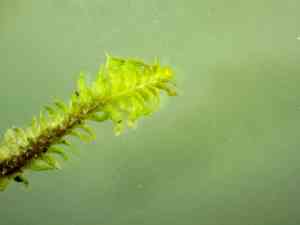
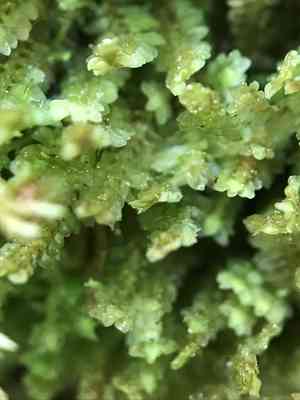
- **Leaf Structure:** The plant has small, overlapping green leaves that create low, flat mats. The leaves are bilobed with rounded lobes, providing a translucent appearance.
- **Growth Form:** It forms sprawling shoots that are 1–2 mm wide.
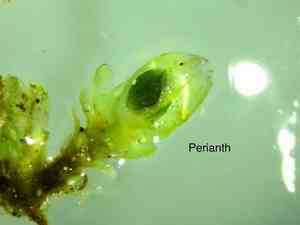
- **Reproductive Features:** White-tipped sporophytes are a characteristic sign of its reproductive maturity and health.
Preferred habitats for the white earwort are:
- **Damp, Shaded Areas:** Often found in areas with high moisture and low light, such as stream banks and forest floors.
- **Wooded Regions:** Commonly grows on decaying wood, tree bases, and in leaf litter within forests.
- **Acidic Soils:** Can also thrive on peaty or acidic soils, often associated with mosses and other bryophytes.
These characteristics and habitats are useful for identifying the white earwort in the field.
Attributes of White earwort
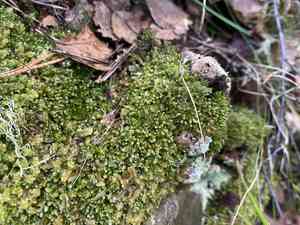
Images of White earwort
 How to Water White earwort?
  What Are the Sunlight Requirements for White earwort?
  What Is the Ideal Temperature Range for White earwort?
  What Soil is Best for White earwort?
  How to Fertilize White earwort?
  How to Prune White earwort?
  How to Propagate White earwort plant?
 How to Repot White earwort plant?

