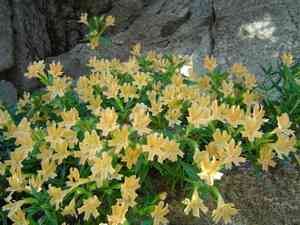
Sticky monkey-flower (Diplacus aurantiacus)
Also known as: Bush monkey-flower, Island monkeyflower
The California poppy (Eschscholzia californica) is a native North American flowering plant species widely cultivated for ornamental purposes. This vibrant plant is particularly prevalent along the western coast of the United States, making it a familiar sight in both California and Oregon.
In This Article
Attributes of Sticky monkey-flower
Lifespan
Perennial, Annual
Plant Type
Herb
Plant Height
10 cm to 1.5 m
Spread
30 cm
Leaf Color
Green
Flower Size
2.5 cm to 5 cm
Flower Color
Yellow Orange Red
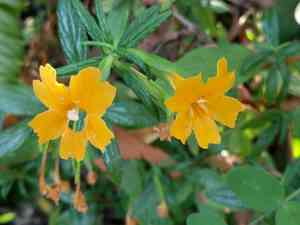
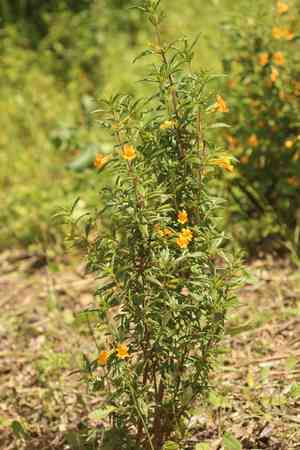
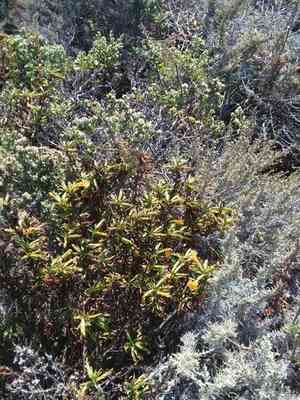
Images of Sticky monkey-flower
Quickly Identify Sticky monkey-flower
1
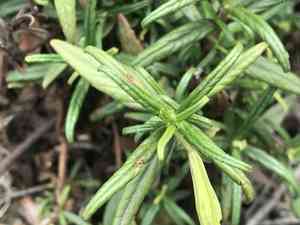
Look for trumpet-shaped, bright orange to yellow flowers and sticky leaves. The plant typically grows in chaparral, coastal scrub, and forest areas.
Scientific Classification of Sticky monkey-flower
Phylum
Vascular plants
Class
Dicotyledons
Order
Lamiales
Family
Lopseed
Genus
Bush monkeyflowers
Species
Sticky monkey-flower
Planting and Growing of Sticky monkey-flower
Care Difficulty
Easy
Watering Schedule
Every 2 days
Sunlight Requirements
Full sun
Sunshine Duration
6-10 hours
Ideal Temperature
60-75℉
Soil Type
Potting Mix, Peat Mix
Soil pH
6.5-7.5
Fertilizer Type
Balanced
Pruning Season
Spring, Summer
Pruning Area
Branches, Leaves
Pruning Frequency
2 times a year
Repotting Season
Spring
Pot Type
Plastic, Ceramic
 How to Water Sticky monkey-flower?
Diplacus aurantiacus, also known as the sticky monkey-flower, prefers a moderate approach to watering. You should aim for about 500 milliliters per watering session, ensuring that the soil is moist but not waterlogged. The key is to maintain a balance that allows water to reach the roots without causing root rot.
What are the symptoms of an underwatered Sticky monkey-flower?
›
What should I do if my Sticky monkey-flower is not getting enough water?
›
What are the symptoms of an overwatered Sticky monkey-flower?
›
How to save an overwatered Sticky monkey-flower?
›
 What Are the Sunlight Requirements for Sticky monkey-flower?
Diplacus aurantiacus flourishes in environments that offer full to partial sunlight, with 6 to 8 hours of exposure. Access to ideal light ensures energetic growth, abundant flowering, and enhanced aesthetic appeal.
More About Sunlight Requirements Techniques→
What is the ideal lighting for Diplacus aurantiacus?
›
How can I achieve ideal lighting for Diplacus aurantiacus?
›
What benefits does Diplacus aurantiacus gain from ideal lighting?
›
 What Is the Ideal Temperature Range for Sticky monkey-flower?
Diplacus aurantiacus thrives best in temperatures ranging from 60°F to 75°F. This range provides the optimal conditions for photosynthesis and growth, promoting vibrant foliage and robust blooming. Maintaining this temperature ensures the plant can efficiently metabolize nutrients while reducing stress.
 What Soil is Best for Sticky monkey-flower?
Diplacus aurantiacus thrives in well-draining soils as it prevents root rot from standing water. This feature is paramount for maintaining healthy roots and vibrant blooms. While this plant doesn’t demand highly fertile soils, a moderate amount of organic matter can boost growth. It benefits from having enough nutrition without being overwhelming. A light soil texture allows proper air circulation around the roots, which is crucial for the plant's overall health, enabling robust growth and resilience to stress.
 How to Fertilize Sticky monkey-flower?
When fertilizing Diplacus aurantiacus, use a balanced liquid fertilizer at 1/4 strength. This plant thrives with a delicate balance of nutrients and can be sensitive to over-fertilization.
 How to Prune Sticky monkey-flower?
Start by sanitizing your cutting tools to prevent disease transmission. Identify the dead or weak branches and remove them first. Then, cut back any stems that appear leggy or overgrown to maintain a compact shape. Focus on the top growth, allowing light to reach the lower parts. Always cut above a node to promote branching and healthy regrowth. To encourage continuous blooming, deadhead the spent flowers regularly. You can do this by cutting the flower stem just above the nearest leaves or buds. This redirects the plant's energy towards producing new blooms rather than seed production.
More About Pruning Techniques→
 How to Propagate Sticky monkey-flower plant?
1
Collect the mature seeds from dried seed pods in late summer for propagation. Ensure that the pods have turned brown and are ready to release seeds.
2
Select healthy stems and cut 4-6 inch sections below a leaf node using sharp shears. Remove the lower leaves to expose the node for rooting.
3
Sow seeds evenly in the seed starting tray filled with a light, well-draining soil mix. Plant cuttings in rooting hormone-treated soil mix to encourage rooting.
 How to Repot Sticky monkey-flower plant?
1
Diplacus aurantiacus shows signs of needing a repot when it becomes root-bound, evidenced by roots growing out of the drainage holes or circling the pot. Another sign is when growth appears stunted, even after fertilizing. Spring, as growth begins, is optimal for repotting, ensuring the plant has a whole growing season to establish itself anew.
2
Choose a pot that is only slightly larger, about 1 to 2 inches in diameter greater than the current one. This helps to prevent waterlogging and encourages proper root anchorage. Ensure the pot has adequate drainage holes to prevent root rot from excess moisture accumulation.
3
Opt for a well-draining potting mix, typically one designed for cacti or succulents. This ensures excess water drains quickly, preventing the roots from sitting in wet soil which can cause rot. Such a mix often includes materials like perlite or sand for improved aeration.
Learn More About Sticky monkey-flower Diseases
Anthracnose
Bacterial Leaf Spot
Bacterial Wilt
Crown Gall
Damping-off
Downy Mildew
Drought Stress
Fusarium Wilt
Gray Mold
Leaf Curl
Leaf Spot
Mosaic
Nutrient Deficiency
Nutrient Toxicity
Powdery Mildew
Root Rot
Root-knot Nematode
Rusts
Sooty Mold
Spider Mites
Temperature Stress
Thrips Damage
White Mold



