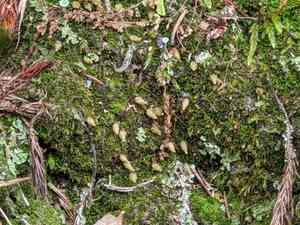
Nut moss (Diphyscium foliosum)
Also known as: Powder gun moss
Nut moss is an intriguing moss characterized by its compact, cushion-like form. It showcases dense clumps of green to yellow-green foliage that often grow on the forest floor, particularly on decaying logs or in moist, nutrient-rich soil. This moss flourishes in shaded, humid settings, with its small, overlapping leaves creating a detailed and complex appearance that becomes evident upon closer look.
In This Article
Attributes of Nut moss
Lifespan
Perennial
Plant Type
Moss
Plant Height
1-2 cm
Spread
Not applicable
Leaf Color
Green
Flower Size
Not applicable
Flower Color
White Yellow Green Brown
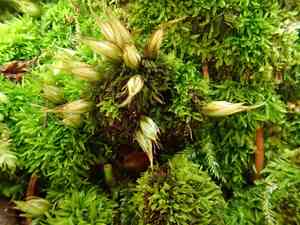
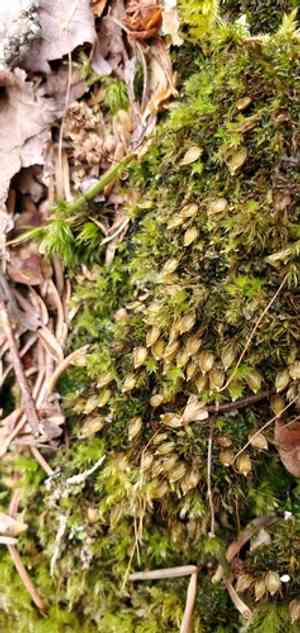
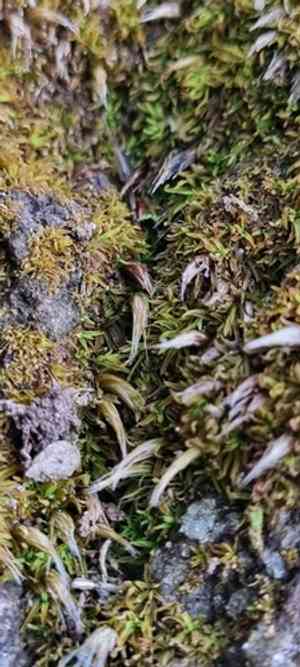
Images of Nut moss

Quickly Identify Nut moss
1
This moss can be identified by its small, green, and leafy shoots that form dense mats on the forest floor. The leaves are typically curved and have a smooth texture with a central midrib.
Scientific Classification of Nut moss
Phylum
Mosses
Class
True mosses
Order
Diphysciales
Family
Buxbaumiaceae
Genus
Diphyscium moss
Species
Nut moss
Planting and Growing of Nut moss
Care Difficulty
Moderate
Watering Schedule
Every 2 days
Sunlight Requirements
Full shade
Sunshine Duration
4-6 hours
Ideal Temperature
50-68℉
Soil Type
Potting Mix, Peat Mix
Soil pH
6-7
Fertilizer Type
Balanced
Pruning Season
Spring, Summer
Pruning Area
Branches, Leaves
Pruning Frequency
2 times a year
Repotting Season
Spring
Pot Type
Plastic, Terracotta
 How to Water Nut moss?
Diphyscium foliosum prefers a measured approach to watering. Apply approximately 150 milliliters of water per session. Ensure that the water reaches the depths of the soil, as it needs adequate moisture without causing waterlogging.
What are the symptoms of an underwatered Nut moss?
›
What should I do if my Nut moss is not getting enough water?
›
What are the symptoms of an overwatered Nut moss?
›
How to save an overwatered Nut moss?
›
 What Are the Sunlight Requirements for Nut moss?
Partial sun to full shade provides the best conditions, ensuring the plant thrives with consistent and non-harsh lighting, preventing stress and promoting robust growth and vivid coloration.
What is the ideal light level?
›
How can I mimic its natural lighting?
›
What benefits does ideal lighting impart?
›
 What Is the Ideal Temperature Range for Nut moss?
The ideal temperature range for Diphyscium foliosum is critical as it ensures optimal growth conditions. Within this range of 50 to 68°F, the plant can effectively carry out photosynthesis, maintain cellular processes, and thrive without temperature-induced stress.
 What Soil is Best for Nut moss?
Diphyscium foliosum thrives in moist soil conditions. Adequate moisture retention in the soil helps the plant stay vibrant and healthy, preventing wilting and drying out, which can be detrimental to its growth. A soil that retains moisture well ensures a consistent supply of water, which is crucial for photosynthesis and nutrient uptake. While the plant needs moisture, it also requires well-drained soil to prevent waterlogging, which could lead to root rot. Ensuring the soil provides good drainage prevents stagnation of water, thus avoiding conditions that can harm root systems and promote fungal infections. This balance helps maintain plant health and resilience. The plant benefits from a nutrient-rich substrate, as it requires essential minerals for optimal growth. A soil rich in organic matter provides a steady supply of nutrients like nitrogen, phosphorus, and potassium, which support various physiological functions, including root development and foliage growth, leading to a robust and lush plant.
 How to Fertilize Nut moss?
For Diphyscium foliosum, it is advisable to use a diluted liquid fertilizer at half the recommended strength to avoid over-fertilizing. Each application should cover the soil evenly, ensuring that no excess fertilizer accumulates in one area.
 How to Prune Nut moss?
Pruning Diphyscium foliosum bi-monthly encourages healthy growth by removing old, wilted leaves and making space for new shoots. Focus on cutting back the upper portion of the plant to allow lower buds to sprout, maintaining a balance of light throughout. Regularly cut back any dead or damaged leaves to prevent fungal infections or pest infestations. Use clean, sharp scissors to ensure you do not leave jagged edges, which can lead to disease. Target brown or blackened areas and trim them back to the green and healthy parts.
 How to Propagate Nut moss plant?
1
Collect mature spores from healthy, adult Diphyscium foliosum plants. Ensure the spores are fully matured, which usually happens in spring, for optimal propagation success.
2
Prepare a substrate that mimics the natural habitat—a mix of peat and sand often works best. Ensure the soil is consistently moist but never soggy.
3
Scatter the spores over the surface of the prepared substrate. Do not cover the spores with soil as light exposure is essential for their germination and development.
 How to Repot Nut moss plant?
1
Look for signs such as roots growing out of the drainage holes, slow growth, or water pooling on the surface of the soil which indicates the pot is too compact. Repotting in early spring or summer when the plant is actively growing is ideal, allowing it to establish roots more quickly.
2
Select a pot that is only slightly larger than the current one. It should have sufficient drainage holes to prevent waterlogging. This helps avoid overwatering, which can lead to root rot, ensuring healthy plant growth.
3
Opt for a well-draining acidic mix, as Diphyscium foliosum prefers slightly acidic conditions. This type of soil usually includes components like peat moss or pine bark, which hold a bit of moisture while allowing excess water to drain away, preventing root rot.

