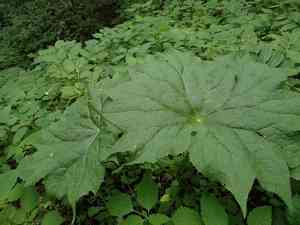
American Umbrellaleaf (Diphylleia cymosa)
Also known as: Umbrella Leaf
The American Umbrellaleaf, scientifically known as Diphylleia cymosa, is an ornamental plant native to the United States. It typically blooms in late spring and is often found in American deciduous forests.
In This Article
Attributes of American Umbrellaleaf
Lifespan
Perennial
Plant Type
Herb
Plant Height
60 cm
Spread
40 cm
Leaf Color
Green
Flower Size
2.5 cm
Flower Color
White
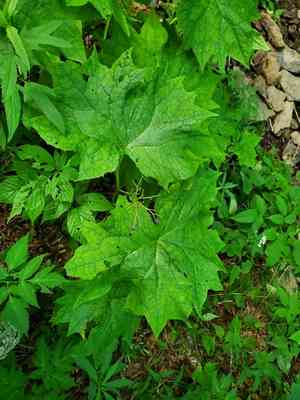
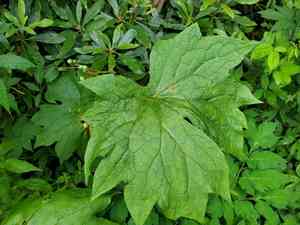
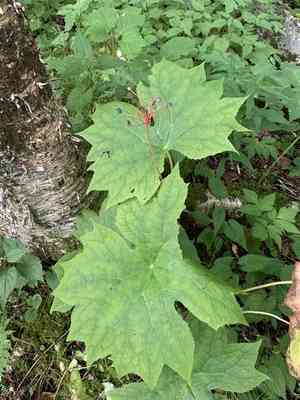
Images of American Umbrellaleaf
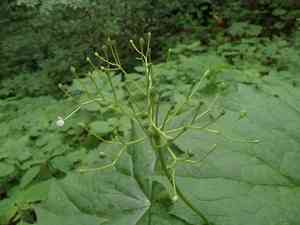
Quickly Identify American Umbrellaleaf
1
Diphylleia cymosa can be identified by its large, umbrella-shaped leaves that can grow up to 2 feet in diameter. The plant also has small white flowers forming clusters and produces blue-black berries in the fall.
Scientific Classification of American Umbrellaleaf
Phylum
Vascular plants
Class
Dicotyledons
Order
Ranunculales
Family
Barberry
Genus
Umbrellaleaf
Species
American Umbrellaleaf
Planting and Growing of American Umbrellaleaf
Care Difficulty
Easy
Watering Schedule
Every 3 days
Sunlight Requirements
Partial sun
Sunshine Duration
4-8 hours
Ideal Temperature
60-75℉
Soil Type
Potting Mix, Peat Mix
Soil pH
5.5-6.5
Fertilizer Type
Balanced
Pruning Season
Spring, Summer
Pruning Area
Branches, Leaves
Pruning Frequency
2 times a year
Repotting Season
Spring
Pot Type
Plastic, Ceramic
 How to Water American Umbrellaleaf?
For Diphylleia cymosa, it's essential to apply approximately 500 milliliters of water each time you water this plant. The plant prefers evenly moist soil but be cautious not to overwater. Allow the top inch of soil to become dry to touch before watering again.
What are the symptoms of an underwatered American Umbrellaleaf?
›
What should I do if my American Umbrellaleaf is not getting enough water?
›
What are the symptoms of an overwatered American Umbrellaleaf?
›
How to save an overwatered American Umbrellaleaf?
›
 What Are the Sunlight Requirements for American Umbrellaleaf?
Diphylleia cymosa benefits from partial shade with 3-6 hours of sunlight each day. This light range supports strong, healthy growth, enhances leaf color, and promotes flowering.
More About Sunlight Requirements Techniques→
What is the best lighting for Diphylleia cymosa?
›
How can you achieve ideal lighting conditions?
›
What benefits come from ideal lighting?
›
 What Is the Ideal Temperature Range for American Umbrellaleaf?
The ideal temperature range for Diphylleia cymosa, commonly known as the skeleton flower, is between 60°F and 75°F. This range ensures optimal growth and bloom, as it mimics the plant's native cooler, shaded forest environments. Maintaining temperatures within this range helps the plant to retain its unique transparent bloom characteristic.
 What Soil is Best for American Umbrellaleaf?
Diphylleia cymosa thrives in soil that maintains consistent moisture. The ability of the soil to retain moisture ensures that the plant receives the necessary hydration without experiencing drought stress, promoting lush foliage and healthy growth. Rich loamy soils filled with organic matter provide essential nutrients that help Diphylleia cymosa to grow robustly. Nutrient-dense soils support the plant's metabolic processes, enhancing its resilience against diseases. Despite its need for moisture, Diphylleia cymosa requires soil that drains well to prevent root rot. Well-draining soils reduce waterlogging risks, ensuring the roots remain healthy and oxygenated.
 How to Fertilize American Umbrellaleaf?
For Diphylleia cymosa, a moderate amount of fertilizer is ideal. Use half the recommended dose on the package for liquid fertilizers to avoid over-fertilizing. The plant prefers a weak solution so that it can absorb nutrients efficiently without the risk of root burn.
 How to Prune American Umbrellaleaf?
Begin by identifying any dead, damaged, or diseased stems. These should be removed first, as they can hinder new growth and spread disease. Cut stems at a 45-degree angle about 1/4 inch above a healthy bud or leaf node. This encourages new growth and helps prevent water accumulation at the cut. After removing deadwood, prune to shape the plant. Encourage an open structure that allows light and air to penetrate, preventing fungal issues. Prune no more than one-third of the plant in a single session. Over-pruning can stress the plant and reduce its ability to photosynthesize efficiently.
More About Pruning Techniques→
 How to Propagate American Umbrellaleaf plant?
1
Soak the seeds in water for 24 hours to soften the seed coat, which aids in the germination process by accelerating the uptake of moisture and nutrients.
2
Carefully dig up the plant and separate the rhizomes into sections, ensuring each division has at least one healthy bud for new growth.
3
Select healthy roots, cutting them into 2-3 inch segments. Dust the cut ends with rooting hormone to enhance root development and plant vitality.
 How to Repot American Umbrellaleaf plant?
1
You should repot Diphylleia cymosa when you notice the roots coming out of the drainage holes or when growth slows down despite adequate care. This typically indicates that the plant has outgrown its current pot or the soil has become depleted of nutrients.
2
Select a pot that is slightly larger than the current one, ideally 1-2 inches wider in diameter. This allows the roots to spread out without leaving too much water-retaining soil around them. Ensure the pot has good drainage to prevent root rot.
3
Opt for a well-draining potting mix that retains some moisture but does not stay soggy. A mix that includes peat, perlite, and bark can provide ideal conditions, as it offers both aeration and moisture retention, crucial for healthy root development.
Learn More About American Umbrellaleaf Diseases
Anthracnose
Bacterial Leaf Spot
Bacterial Soft Rot
Bacterial Wilt
Black Spot
Chemical Injury
Crown Gall
Cyst Nematode
Damping-off
Downy Mildew
Drought Stress
Fusarium Wilt
Gray Mold
Late Blight
Leaf Curl
Leaf Spot
Mosaic
Nutrient Deficiency
Nutrient Toxicity
Powdery Mildew
Root Rot
Root-knot Nematode
Rusts
Sooty Mold
Spider Mites
Temperature Stress
Thrips Damage
White Mold



