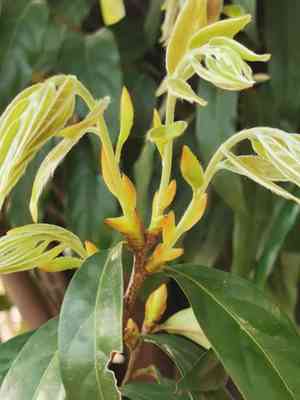
Diospyros (Diospyros) (Diospyros)
Also known as: Persimmon, Ebony
The *Diospyros* genus includes a diverse group of trees with significant commercial and ecological importance. Some species yield persimmon fruits, widely cultivated, particularly in China. Other species, often called "ebony" trees, are harvested for their dense, dark hardwood, prized in luxury furniture and fine carpentry. Unfortunately, overharvesting is a concern due to their high commercial demand. Ecologically, these trees are vital, providing essential food for various birds and mammals.
In This Article
Attributes of Diospyros (Diospyros)
Lifespan
Perennial
Plant Height
12 m
Spread
8 m
Leaf Color
Green
Flower Size
1 to 2 centimeters
Flower Color
White to yellow
Images of Diospyros (Diospyros)
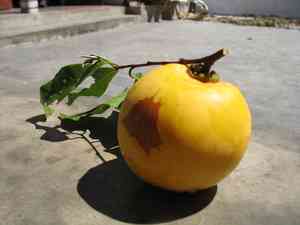
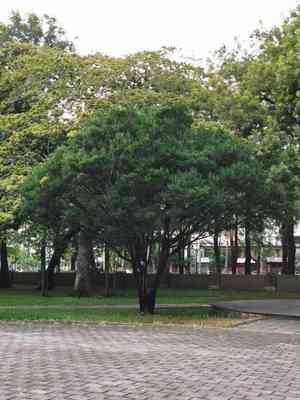
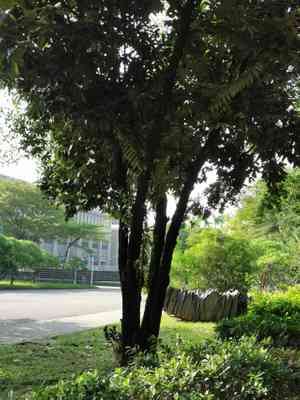
Quickly Identify Diospyros (Diospyros)
1
Diospyros trees can be identified by their simple, alternate leaves, small, bell-shaped flowers, and characteristic orange to reddish-brown fruits. The wood is usually dense and dark, particularly in ebony species.
Scientific Classification of Diospyros (Diospyros)
Phylum
Magnoliophyta
Class
Magnoliopsida
Order
Ericales
Family
Ebenaceae
Genus
Diospyros
Planting and Growing of Diospyros (Diospyros)
Care Difficulty
Moderate
Watering Schedule
Every 3 days
Sunlight Requirements
Partial sun
Sunshine Duration
6-10 hours
Ideal Temperature
68-77℉
Soil Type
Potting Mix, Peat Mix
Soil pH
6.5-7.5
Fertilizer Type
Balanced
Pruning Season
Spring, Summer
Pruning Area
Branches, Leaves
Pruning Frequency
2 times a year
Repotting Season
Spring
Pot Type
Plastic, Ceramic
 How to Water Diospyros (Diospyros)?
Diospyros trees thrive best when watered thoroughly but infrequently. Ensure the soil is deeply soaked, reaching down to the root zone, generally requiring about 1000 milliliters per watering. Aim to moisten the soil evenly without creating waterlogged conditions.
What are the symptoms of an underwatered Diospyros (Diospyros)?
›
What should I do if my Diospyros (Diospyros) is not getting enough water?
›
What are the symptoms of an overwatered Diospyros (Diospyros)?
›
How to save an overwatered Diospyros (Diospyros)?
›
 What Are the Sunlight Requirements for Diospyros (Diospyros)?
Diospyros benefits from partial to full sun exposure, ideally receiving 6 to 8 hours of light daily. This range supports healthy growth and optimal fruit production, ensuring the plant thrives and remains resilient.
What is the ideal sunlight exposure?
›
How can I ensure optimal sunlight?
›
What are the benefits of ideal lighting?
›
 What Is the Ideal Temperature Range for Diospyros (Diospyros)?
The ideal temperature range for Diospyros, commonly known as persimmon, is between 68°F and 77°F. Maintaining this range ensures optimal growth and fruiting, as the plants thrive in warm, moderate climates. Temperatures outside this range can affect flowering and fruit setting adversely.
 What Soil is Best for Diospyros (Diospyros)?
The mythic Diospyros thrives best in well-drained soil to prevent waterlogging, which can suffocate its roots and lead to root rot. Ensuring good drainage improves root aeration, facilitates nutrient uptake, and enhances tree growth and fruiting. This plant enjoys moderate soil fertility, which prevents excessive foliage growth. Between chemically balanced soil and supplemental organic matter, nutrient-rich earth boosts fruit yield, promoting healthy development and rich flavors. Diospyros benefits from a moisture-retentive soil structure, which consistently retains moisture without being soggy. Consistent moisture availability ensures steady growth, robust health, and prevents stress during dry spells.
 How to Fertilize Diospyros (Diospyros)?
For Diospyros, the fertilizer amount should be carefully measured to avoid damage. A balanced fertilizer with an N-P-K ratio such as 10-10-10 is recommended. During the growing season, apply about 1/4 cup of granular fertilizer per month for young trees and 1 cup for mature trees. Liquid fertilizers should be diluted to half strength to prevent root burn and can be applied more frequently.
 How to Prune Diospyros (Diospyros)?
Begin by cutting away any dead, damaged, or diseased branches. This helps the tree focus its energy on healthy, productive branches. Thinning the tree involves removing some interior branches to improve light penetration and air circulation. This enhances fruit quality and reduces pests and diseases. Prune to maintain an open center structure or whatever form is typical for your specific Diospyros species. This promotes a healthy and productive growth pattern. Reduce overly vigorous growth by trimming the tops and sides of the tree. This encourages a more compact and manageable tree, ideal for fruit production and harvest.
 How to Propagate Diospyros (Diospyros) plant?
1
Harvest ripe fruits and extract the seeds carefully. Clean the seeds from pulp residue to prevent fungal growth and increase the chances of successful germination.
2
Select mature branches with several nodes for your cuttings. Cut them at a 45-degree angle to increase the surface area for rooting, and remove any excess leaves.
3
Choose a healthy rootstock and scion. Make cuts that match in size on both and join them together. Secure them with grafting tape to ensure good contact and healing.
 How to Repot Diospyros (Diospyros) plant?
1
Look for signs like roots emerging from the drainage holes, diminished growth, or water not absorbing well. These indicators suggest the tree has outgrown its pot and is in need of more space to flourish.
2
Select a pot that is one to two sizes larger than the current one to provide ample space for root growth. Ensure that it has adequate drainage holes to avert waterlogging—this helps in preventing root rot and maintaining healthy growth.
3
Opt for a well-draining potting mix designed for acidic soil-loving plants. This offers Diospyros the optimal growing conditions by retaining necessary moisture while preventing roots from sitting in excess water.
Learn More About Diospyros (Diospyros) Diseases
Anthracnose
Bacterial Leaf Spot
Bacterial Wilt
Black Spot
Chemical Injury
Crown Gall
Cyst Nematode
Damping-off
Drought Stress
Fusarium Wilt
Gray Mold
Leaf Curl
Leaf Spot
Mosaic
Nutrient Deficiency
Nutrient Toxicity
Powdery Mildew
Root Rot
Root-knot Nematode
Rusts
Sooty Mold
Spider Mites
Temperature Stress
Thrips Damage
White Mold

