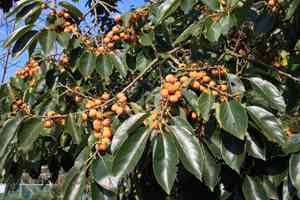
Date-plum (Diospyros lotus)
Also known as: Lilac persimmon
Date-plum, one of the earliest cultivated plants, is widely grown today because its fruit offers a unique flavor blend of date and plum. This appealing tree is frequently chosen for gardens due to its charming appearance and the delicious, sweet fruit it produces.
In This Article
Attributes of Date-plum
Lifespan
Perennial
Plant Type
Tree
Plant Height
15 m to 30 m
Spread
6 m to 9 m
Leaf Color
Green
Flower Size
2 cm
Flower Color
Green Yellow
Images of Date-plum
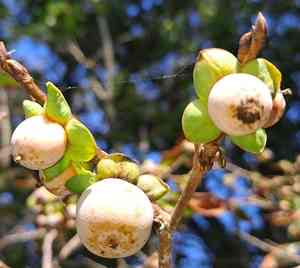
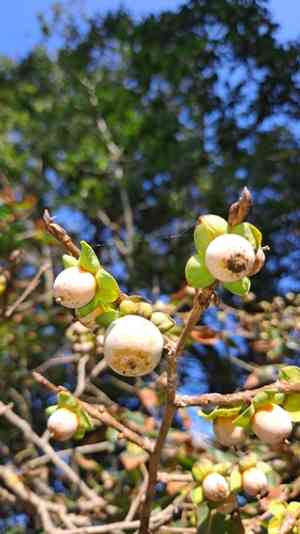
Quickly Identify Date-plum
1
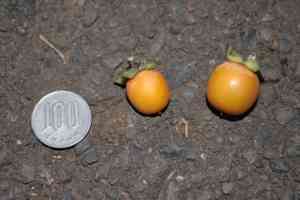
Diospyros lotus can be identified by its medium-sized tree form, glossy green leaves, small yellowish-white flowers, and dark purple, plum-like fruits. The bark is rough and grey, and the leaves are elliptical to oblong.
Scientific Classification of Date-plum
Phylum
Vascular plants
Class
Dicotyledons
Order
Heathers and allies
Family
Ebony
Genus
Diospyros
Species
Date-plum
Planting and Growing of Date-plum
Care Difficulty
Easy
Watering Schedule
Every 2 days
Sunlight Requirements
Full sun
Sunshine Duration
6-10 hours
Ideal Temperature
60-75℉
Soil Type
Potting Mix, Peat Mix
Soil pH
6.5-7.5
Fertilizer Type
Balanced
Pruning Season
Spring, Summer
Pruning Area
Branches, Leaves
Pruning Frequency
2 times a year
Repotting Season
Spring
Pot Type
Plastic, Ceramic
 How to Water Date-plum?
When watering Diospyros lotus, it is important to ensure the soil is evenly moist but not waterlogged. Typically, a volume of around 500ml is sufficient, allowing water to reach the root system without causing excess saturation. This helps prevent root rot while ensuring that the plant has adequate moisture.
What are the symptoms of an underwatered Date-plum?
›
What should I do if my Date-plum is not getting enough water?
›
What are the symptoms of an overwatered Date-plum?
›
How to save an overwatered Date-plum?
›
 What Are the Sunlight Requirements for Date-plum?
Diospyros lotus thrives in full to partial sun, with ideal exposure ensuring robust growth and prolific fruiting. Proper sunlight promotes photosynthetic efficiency, enhancing overall plant health.
More About Sunlight Requirements Techniques→
How much light does Diospyros lotus need daily?
›
What are common solutions to achieve ideal lighting for Diospyros lotus?
›
What benefits occur if Diospyros lotus receives its ideal light?
›
 What Is the Ideal Temperature Range for Date-plum?
Diospyros lotus grows best in temperatures ranging from 60°F to 75°F. This range ensures optimal photosynthesis, growth, and fruit production, promoting the overall health of the plant.
 What Soil is Best for Date-plum?
Diospyros lotus thrives best in well-drained soil conditions that prevent waterlogging. Proper drainage is essential as it helps the roots to breathe and prevents root rot, ensuring the plant's overall health and vigor. This plant prefers nutrient-rich soil that provides sufficient mineral content to support strong growth and fruit production. Incorporating organic matter like compost enhances soil fertility, benefitting the plant. Maintaining a soil pH between 6.5 and 7.5 is ideal, as it optimizes nutrient availability, encouraging healthy growth and fruiting. Regular pH checks ensure the soil maintains its suitability for Diospyros lotus.
 How to Fertilize Date-plum?
For Diospyros lotus, use a balanced fertilizer with N-P-K ratio such as 10-10-10. Apply liquid fertilizers at half strength to prevent nutrient burn, while for solid fertilizers, use about 50 grams per tree annually spread evenly in two or three applications.
 How to Prune Date-plum?
Begin by removing dead, damaged, or diseased branches. Use sharp, clean pruning shears. Focus on eliminating inward-growing branches to open up the center of the tree for better air circulation. Shape the tree by trimming excess growth to maintain a balanced canopy. Focus on establishing a strong leader branch with evenly spaced lateral branches to support fruit development. After pruning, apply a balanced fertilizer to the base of the tree to help it recover. Water the tree thoroughly, as pruning is a form of stress and adequate moisture is critical during the recovery phase.
More About Pruning Techniques→
 How to Propagate Date-plum plant?
1
Begin by soaking the seeds in warm water for 24-48 hours to soften the outer shell. This process helps in breaking dormancy and promotes faster germination when the seeds are sown.
2
For cutting propagation, select healthy, disease-free stems approximately 15-20 cm long. These should ideally have 2-3 leaves present. Ensure the cuts are clean to promote callusing and root development.
3
For grafting, choose compatible rootstock and scion. Make precise cuts and secure them with grafting tape. Grafting augments disease resistance and can improve fruit quality in Diospyros lotus.
 How to Repot Date-plum plant?
1
Look for signs like roots emerging from drainage holes or stunted growth. Spring is ideal as the plant begins its growth phase, allowing easier recovery from root disturbance.
2
Select a pot 2-4 inches larger in diameter for room to grow. Ensure it has drainage holes to prevent waterlogging, which can cause root rot, ensuring better plant health.
3
Opt for a well-draining loamy mix that retains some moisture but allows excess water to escape. This soil type prevents soggy roots, fostering healthy root development.
Learn More About Date-plum Diseases
Anthracnose
Bacterial Leaf Spot
Black Spot
Chemical Injury
Crown Gall
Damping-off
Drought Stress
Fusarium Wilt
Gray Mold
Leaf Curl
Leaf Spot
Mosaic
Nutrient Deficiency
Nutrient Toxicity
Powdery Mildew
Root Rot
Root-knot Nematode
Rusts
Sooty Mold
Spider Mites
Temperature Stress
Thrips Damage
White Mold



