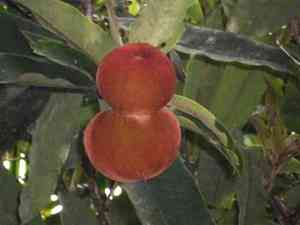
Velvet apple (Diospyros blancoi)
Also known as: Persimmon
The velvet apple tree, also called Mabolo, is a tropical fruit tree recognized for its dense, dark green foliage and distinctive velvety fruit. It flourishes in warm, humid environments typical of tropical to subtropical regions. Ideal growth conditions include well-drained, fertile soil with a slightly acidic to neutral pH, and consistent moisture. The tree benefits from ample sunlight and should be sheltered from strong winds to maintain its health and productivity. Wildlife is often attracted to the fruit, aiding in natural seed dispersal.
In This Article
Attributes of Velvet apple
Lifespan
Perennial
Plant Type
Tree
Plant Height
15-18 meters (49-59 feet)
Spread
12-15 meters (39-49 feet)
Leaf Color
Glossy Green
Flower Size
0.5-1.5 centimeters (0.2-0.6 inches)
Flower Color
White to Yellowish
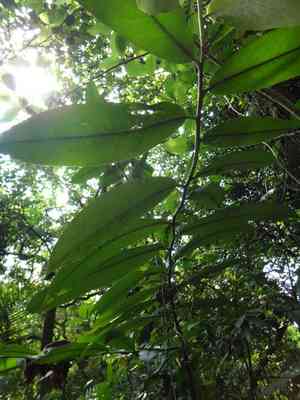
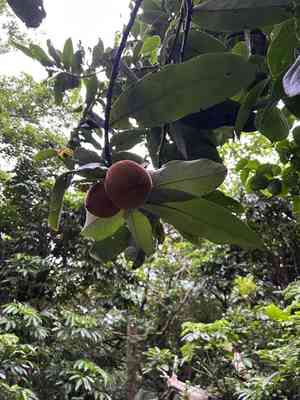
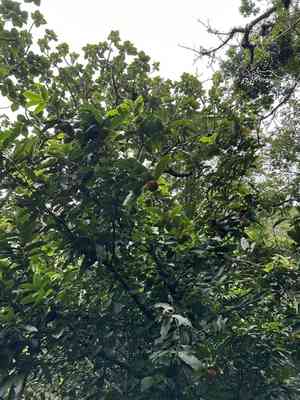
Images of Velvet apple
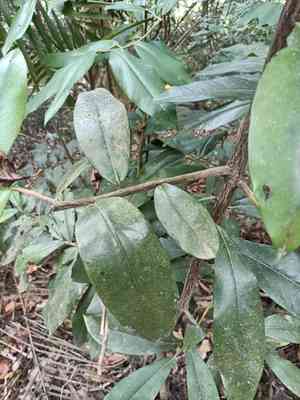
Quickly Identify Velvet apple
1
To identify Diospyros blancoi, look for a tree with dense foliage and a compact crown. The leaves are leathery and oval-shaped, with a glossy green appearance. The fruit is round, with a distinct velvety texture and varies in color from pink to light brown.
Scientific Classification of Velvet apple
Phylum
Vascular plants
Class
Dicotyledons
Order
Ericales
Family
Ebony
Genus
Diospyros
Species
Velvet apple
Planting and Growing of Velvet apple
Care Difficulty
Moderate
Watering Schedule
Every 4 days
Sunlight Requirements
Full sun
Sunshine Duration
6-10 hours
Ideal Temperature
60-85℉
Soil Type
Potting Mix, Peat Mix
Soil pH
5.5-7.5
Fertilizer Type
Balanced
Pruning Season
Spring, Summer
Pruning Area
Branches, Leaves
Pruning Frequency
2 times a year
Repotting Season
Spring
Pot Type
Plastic, Ceramic
 How to Water Velvet apple?
When watering Diospyros blancoi, it’s important to drench the soil thoroughly until water drains from the bottom, ensuring consistent moisture without oversaturation. This mimics its natural tropical environment, where the soil is moist but not waterlogged.
What are the symptoms of an underwatered Velvet apple?
›
What should I do if my Velvet apple is not getting enough water?
›
What are the symptoms of an overwatered Velvet apple?
›
How to save an overwatered Velvet apple?
›
 What Are the Sunlight Requirements for Velvet apple?
Diospyros blancoi thrives in full to partial sunlight, requiring regular exposure for healthy growth. Ideal lighting fosters photosynthetic efficiency, aiding in robust development and optimal fruit yield, and contributes to overall plant health and resilience.
Optimal Sun Exposure
›
Strategic Plant Placement
›
Light Management Techniques
›
 What Is the Ideal Temperature Range for Velvet apple?
Diospyros blancoi thrives best in a warm environment, where the temperature is consistently between 60°F and 85°F. Such conditions ensure optimal growth, promoting healthy foliage and fruit development. It is crucial to maintain this temperature stability to avoid stress on the plant, which could otherwise hinder its growth and productivity.
 What Soil is Best for Velvet apple?
Diospyros blancoi thrives in well-drained soil to prevent waterlogging that can cause root rot. Good drainage ensures the roots receive adequate oxygen, promoting healthy growth and fruit production. This plant benefits from soil rich in organic matter, which enhances its fertility and supplies essential nutrients, leading to robust and vigorous development of the plant. While drainage is crucial, the soil should also retain enough moisture to support the plant during dry periods. A balance in moisture retention helps in steady growth and prevents stress.
 How to Fertilize Velvet apple?
For Diospyros blancoi, the amount of fertilizer should be moderate, ensuring that the nutrients are adequately absorbed without overwhelming the plant. Typically, for liquid fertilizers, use a diluted solution at half the recommended strength to avoid over-fertilizing. For granular or solid fertilizers, apply 100-150 grams, distributed evenly around the base of the plant, taking care to avoid direct contact with the stem to prevent burning.
 How to Prune Velvet apple?
Start by removing any dead, damaged, or diseased branches to prevent infections. Focus on thinning the canopy to allow better air circulation and sunlight penetration, which is crucial for fruit development. It's important to make clean cuts just above a bud, branch, or main stem. Pruning should involve shaping the tree into an open form that allows good light exposure and space for new growth.
 How to Propagate Velvet apple plant?
1
Begin by soaking the seeds in water for 24 hours to break dormancy and enhance germination rates. After soaking, plant them in a well-draining soil mix in seed trays.
2
Choose healthy, semi-hardwood cuttings of about 6-8 inches in length. Cuttings should be made with sharp, sterilized pruning shears to ensure clean cuts and minimize infection.
3
For grafting, select a healthy scion and a compatible rootstock. Make precise cuts, ensuring the cambium layers align well, and secure them with grafting tape to facilitate proper healing and growth.
 How to Repot Velvet apple plant?
1
Diospyros blancoi shows signs that it's time to repot when you notice roots emerging from drainage holes or its growth becomes stunted. These indicators suggest that the plant may be root-bound, needing more space to thrive. Additionally, if the soil appears compacted and no longer retains moisture, it's time for a fresh start.
2
Select a pot that is about 2 inches larger in diameter than the current one. This additional space allows the roots to expand without overwhelming the plant with too much soil. Also, ensure the pot has adequate drainage holes to prevent waterlogging, which could lead to root rot.
3
The ideal soil for Diospyros blancoi is well-draining and slightly acidic. This type of soil prevents excess moisture retention that can damage roots and provides the necessary acidity to support nutrient uptake. A mix of peat, sand, and perlite often works well, adding both aeration and drainage capabilities.



