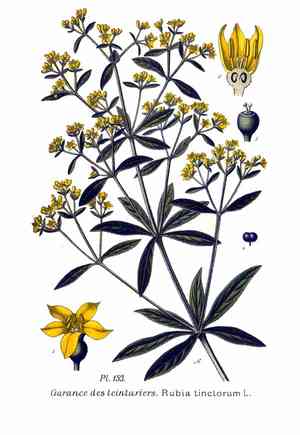
Buttonweeds (Diodia) (Diodia)
Also known as: Poorjoe, Rough Buttonweed
Most buttonweeds typically feature four-angled stems and can form dense mats. While their small flowers might attract bees, some species are susceptible to viral diseases that cause mottled yellow leaves. Certain buttonweed species are notably challenging broadleaf weeds to manage in lawns.
In This Article
Attributes of Buttonweeds (Diodia)
Lifespan
Diodia species are generally perennials, meaning they have a growth cycle that lasts more than two years.
Plant Height
5-20 cm
Spread
5-20 cm
Leaf Color
Green
Flower Size
1-2 mm
Flower Color
White, Pale Pink
Images of Buttonweeds (Diodia)
Quickly Identify Buttonweeds (Diodia)
1
To identify Diodia, look for small, ground-covering plants with opposite leaves. The leaves are usually narrow and come in pairs. The flowers are small, star-shaped, and often white or pale pink in color.
Scientific Classification of Buttonweeds (Diodia)
Phylum
Magnoliophyta
Class
Magnoliopsida
Order
Gentianales
Family
Rubiaceae
Genus
Diodia
Planting and Growing of Buttonweeds (Diodia)
Care Difficulty
Easy
Watering Schedule
Every 4 days
Sunlight Requirements
Partial sun
Sunshine Duration
4-6 hours
Ideal Temperature
65-75℉
Soil Type
Potting Mix, Peat Mix
Soil pH
5.5-7.5
Fertilizer Type
Balanced
Pruning Season
Spring, Summer
Pruning Area
Branches, Leaves
Pruning Frequency
2 times a year
Repotting Season
Spring
Pot Type
Plastic, Ceramic
 How to Water Buttonweeds (Diodia)?
For Diodia, a moderate watering principle should be followed. The soil should be kept consistently moist but not waterlogged. Ensure that water reaches a depth sufficient to thoroughly but not excessively saturate the root zone.
What are the symptoms of an underwatered Buttonweeds (Diodia)?
›
What should I do if my Buttonweeds (Diodia) is not getting enough water?
›
What are the symptoms of an overwatered Buttonweeds (Diodia)?
›
How to save an overwatered Buttonweeds (Diodia)?
›
 What Are the Sunlight Requirements for Buttonweeds (Diodia)?
Diodia prefers partial to full sun environments. Ideal lighting fosters healthy leaf coloration and structural growth, supporting its vitality and visual appeal.
What is the ideal lighting location for Diodia?
›
How can one ensure Diodia receives sufficient light indoors?
›
What are the benefits of Diodia getting ideal light?
›
 What Is the Ideal Temperature Range for Buttonweeds (Diodia)?
For optimal growth, Diodia thrives best within a temperature range of 65-75°F. This range supports healthy photosynthesis and robust cellular activities.
 What Soil is Best for Buttonweeds (Diodia)?
Diodia thrives in well-draining soil that prevents waterlogging. This characteristic helps maintain plant health by reducing root rot risks and ensuring optimal oxygen and nutrient availability. A nutrient-rich soil enhances Diodia's growth and vitality. It supports robust foliage and vibrant flowering, ensuring the plant receives essential minerals for its metabolic processes. Soil that retains adequate moisture without becoming waterlogged is ideal. It ensures Diodia maintains consistent hydration, crucial for sustaining growth and overall plant resilience.
 How to Fertilize Buttonweeds (Diodia)?
For Diodia, a balanced fertilizer that contains equal parts nitrogen, phosphorus, and potassium works best. Use approximately 1/2 teaspoon of liquid fertilizer diluted in a gallon of water per plant for optimal growth. Be cautious to avoid excessive nitrogen that might result in weak growth.
 How to Prune Buttonweeds (Diodia)?
Begin by assessing the plant's overall structure. Identify any dead, diseased, or damaged stems. Start your pruning by removing these first as they can sap nutrients from healthier parts of the plant, reducing overall vitality. Trim back new shoots to a pair of healthy leaves to promote a fuller, bushier Diodia. This method stimulates side branching, which fills out the plant and maintains a compact shape, ideal for a lush groundcover. Maintain a consistent height by trimming all stems to a similar length. This uniformity ensures even sunlight exposure and nutrient distribution, fostering an aesthetically pleasing, balanced plant.
 How to Propagate Buttonweeds (Diodia) plant?
1
Begin by collecting mature seeds from the Diodia plant. Ensure that the seeds are dry and free from any debris. Store them in a cool, dry place until you are ready to sow them.
2
Select healthy stems from the parent plant and use sterilized shears to cut below the node. Each cutting should be around 4-6 inches long with several leaves. Allow cuttings to callus for a few hours before planting.
3
For seeds, plant them in prepared trays with a light layer of soil over the top. For cuttings, plant them directly into potting soil or a perlite mixture, ensuring that at least one node is buried for rooting.
 How to Repot Buttonweeds (Diodia) plant?
1
Watch out for slower growth, roots emerging from drainage holes, or soil drying out too quickly. These signs indicate it's time to repot your Diodia. Ideal repotting is during its active growing seasons.
2
Select a pot 1-2 inches larger in diameter than the current one. A larger pot encourages healthier root expansion and prevents waterlogging by ensuring proper drainage, benefiting the plant's overall growth.
3
Opt for well-draining soil to prevent root rot and moisture-related issues. A mix containing perlite or sand aids in aeration, ensuring your Diodia has the ideal environment for vibrant and sustained growth.
Learn More About Buttonweeds (Diodia) Diseases
Anthracnose
Bacterial Leaf Spot
Bacterial Wilt
Crown Gall
Cyst Nematode
Damping-off
Downy Mildew
Drought Stress
Fusarium Wilt
Gray Mold
Leaf Spot
Mosaic
Nutrient Deficiency
Nutrient Toxicity
Powdery Mildew
Root Rot
Root-knot Nematode
Rusts
Sooty Mold
Spider Mites
Temperature Stress
Thrips Damage
White Mold

