
Wilson's clusterpea (Dioclea wilsonii)
Also known as: Wilson's dioclea
Wilson's clusterpea (Thermopsis wilsonii) is a leguminous plant adapted to tropical forests with several distinctive traits. Its twining stems allow it to climb and access sunlight under the forest canopy. The vivid purple flowers enhance pollinator attraction, aiding in reproduction. The pinnate leaves with multiple leaflets are efficient for photosynthesis and suited for partially shaded environments. Additionally, the plant produces sturdy seed pods that ensure effective seed dispersal. These adaptations, including its striking floral coloration, contribute significantly to its survival and propagation in the variable conditions of tropical forests.
In This Article
Attributes of Wilson's clusterpea
Lifespan
Perennial
Plant Type
Vine
Plant Height
3-15 meters (vine length)
Spread
N/A
Leaf Color
Green
Flower Size
1-2 cm
Flower Color
Blue to purple
Images of Wilson's clusterpea
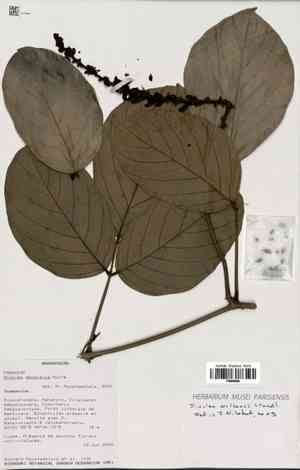
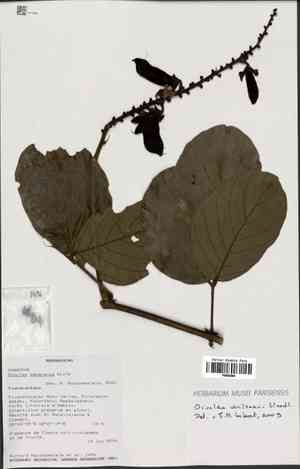
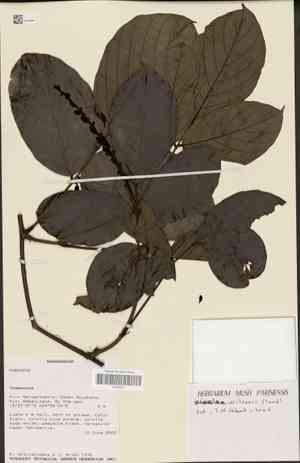
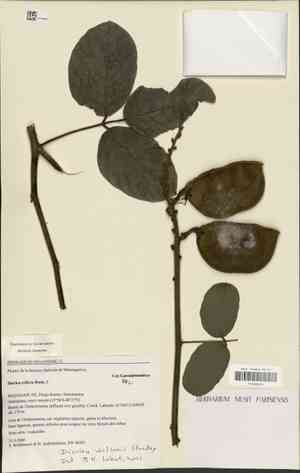
Quickly Identify Wilson's clusterpea
1
Identifying Dioclea wilsonii involves looking for its distinctive vine-like growth, compound leaves, and notable blue-purple flowers. The seed pods are also a distinguishing feature.
Scientific Classification of Wilson's clusterpea
Phylum
Vascular plants
Class
Dicotyledons
Order
Fabales
Family
Legume
Genus
Diocleas
Species
Wilson's clusterpea
Planting and Growing of Wilson's clusterpea
Care Difficulty
Easy
Watering Schedule
Every 2 days
Sunlight Requirements
Partial sun
Sunshine Duration
4-8 hours
Ideal Temperature
70-85℉
Soil Type
Potting Mix, Peat Mix
Soil pH
6.5-7.5
Fertilizer Type
Balanced
Pruning Season
Spring, Summer
Pruning Area
Branches, Leaves
Pruning Frequency
2 times a year
Repotting Season
Spring
Pot Type
Plastic, Ceramic
 How to Water Wilson's clusterpea?
When watering Dioclea wilsonii, aim to moisten the soil thoroughly but ensure it drains well. Provide around 500 ml of water per session, focusing on evenly distributing it around the base. The goal is to encourage deep root growth without waterlogging the soil.
What are the symptoms of an underwatered Wilson's clusterpea?
›
What should I do if my Wilson's clusterpea is not getting enough water?
›
What are the symptoms of an overwatered Wilson's clusterpea?
›
How to save an overwatered Wilson's clusterpea?
›
 What Are the Sunlight Requirements for Wilson's clusterpea?
Partial sun to full sun exposure ensures that Dioclea wilsonii grows robustly, maintaining healthy foliage and encouraging abundant flowering, ultimately maximizing its ornamental appeal.
What is the ideal sunlight exposure?
›
How can you ensure optimal sunlight for Dioclea wilsonii?
›
What are the benefits of providing ideal lighting conditions?
›
 What Is the Ideal Temperature Range for Wilson's clusterpea?
Dioclea wilsonii thrives best in temperatures ranging from 70°F to 85°F. This range ensures optimal metabolic processes, including photosynthesis, respiration, and nutrient uptake. Sustaining such a temperature ensures that the plant can grow healthily with strong stems and vibrant leaves. It aids in maintaining the physiological balance required for flowering and fruiting.
 What Soil is Best for Wilson's clusterpea?
Dioclea wilsonii thrives in well-draining soil, which prevents water from pooling around the roots, reducing the risk of root rot. Ensuring good drainage is crucial for healthy root development and vibrant growth. A nutrient-rich substrate supplies Dioclea wilsonii with essential minerals and nutrients necessary for lush foliage and prolific flowering. Consider adding organic compost to enrich the soil and promote robust plant health. This plant prefers soil with a pH range of 6.5 to 7.5, ensuring optimal nutrient availability and uptake. Monitoring and maintaining the desired pH level can lead to vigorous growth and enhanced flowering.
 How to Fertilize Wilson's clusterpea?
Dioclea wilsonii, being a tropical legume, requires moderate fertilization to thrive. Ideally, apply 1/4 strength liquid fertilizer every two weeks to ensure balanced nutrient availability. Be cautious with nitrogen-heavy fertilizers as they can lead to excessive vegetative growth at the expense of flowers.
 How to Prune Wilson's clusterpea?
Begin by identifying any dead or diseased branches. These should be removed immediately to prevent the spread of disease and to allow the plant to focus its energy on healthy growth. Trim back any excessively long or unruly branches to maintain the plant's shape. Dioclea wilsonii can become particularly sprawling, so regular trimming helps keep it in bounds. After initial shaping, focus on thinning out dense areas to improve air circulation and light penetration. This encourages new growth and reduces the risk of fungal diseases.
More About Pruning Techniques→
 How to Propagate Wilson's clusterpea plant?
1
Begin by filling seed trays with a well-draining potting mix. Ensure that the soil is moist but not waterlogged to provide ideal conditions for seed germination.
2
Sow Dioclea wilsonii seeds evenly across the prepared trays. Gently press them into the soil, but do not bury them too deeply, which can inhibit their ability to sprout.
3
Select healthy, disease-free plant sections to take cuttings. Use pruning shears to make clean cuts just below a node, which is crucial for rooting success.
 How to Repot Wilson's clusterpea plant?
1
Repotting is necessary when Dioclea wilsonii shows signs of being root-bound, such as roots emerging from drainage holes or stunted growth. The ideal time is during the growing seasons of spring or summer when the plant is actively developing and can recover swiftly from the stress of repotting.
2
Opt for a pot that is slightly larger than the current one, with sufficient drainage holes. This ensures that excess water can escape, preventing root rot. The pot material should allow for some breathability, like terracotta, which aids in maintaining a healthy root environment.
3
Choose a well-draining potting mix with good aeration. Incorporate some perlite or coarse sand to improve drainage. This ensures the roots have access to air, preventing waterlogged conditions and promoting healthy growth.
Learn More About Wilson's clusterpea Diseases
Anthracnose
Bacterial Leaf Spot
Bacterial Soft Rot
Bacterial Wilt
Chemical Injury
Cyst Nematode
Damping-off
Downy Mildew
Drought Stress
Fusarium Wilt
Gray Mold
Leaf Spot
Mosaic
Nutrient Deficiency
Nutrient Toxicity
Powdery Mildew
Root Rot
Root-knot Nematode
Rusts
Sooty Mold
Spider Mites
Temperature Stress
Thrips Damage
White Mold



