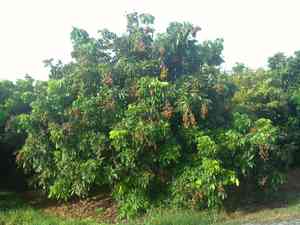
Longan(Dimocarpus longan)

Longan (Dimocarpus longan)

Also known as: Longan Tree, Dragon's eye

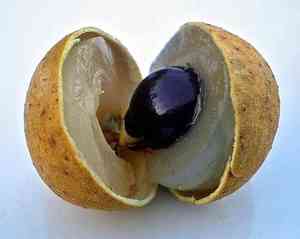
The longan tree (Dimocarpus longan) is a tropical evergreen that can exceed 30 meters in height, featuring long, often drooping branches. This tree produces edible fruits that bear resemblance to lychees but are generally milder in flavor. The fruit is small and round, with a thin, firm, bark-like skin. Inside, the flesh is translucent and juicy, encasing a single dark seed.

Attributes of Longan

Lifespan
Perennial
Plant Type
Tree
Plant Height
9 m to 30 m
Spread
9 m to 12 m
Leaf Color
Green
Flower Size
2.5 cm
Flower Color
Yellow

ForwardPlant - Identify plants with a snap

Identify and diagnose plants, get toxicity alerts, and explore safety guides for all types of fungi.

Try for Free

Images of Longan

Longan(Dimocarpus longan)

Quickly Identify Longan

1
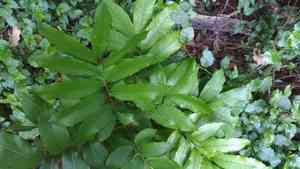
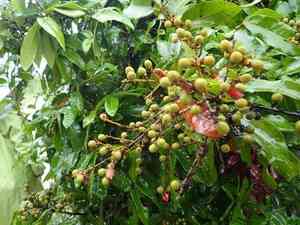
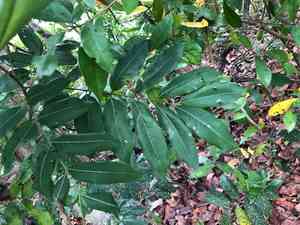
Longan trees can be identified by their glossy, dark green compound leaves and round, yellow-brown fruits with a translucent white flesh surrounding a single black seed. The fruit’s appearance gives rise to the name 'Dragon Eye'.

Scientific Classification of Longan

Phylum
Vascular plants
Class
Dicotyledons
Order
Maples, mangos, mahogany, citrus, and allies
Family
Soapberry
Genus
Dimocarpus
Species
Longan

Planting and Growing of Longan

Care Difficulty
Hard
Watering Schedule
Every 3 days
Sunlight Requirements
Full sun
Sunshine Duration
4-6 hours
Ideal Temperature
77-95℉
Soil Type
Potting Mix, Peat Mix
Soil pH
6.5-7.5
Fertilizer Type
Balanced
Pruning Season
Spring, Summer
Pruning Area
Branches, Leaves
Pruning Frequency
2 times a year
Repotting Season
Spring
Pot Type
Plastic, Ceramic

water icon How to Water Longan?

The longan tree requires a moderate amount of water, usually around 500 milliliters each time. It's crucial to ensure the soil is moist but not overly saturated. The top layer of soil should be dry between waterings to ensure that the roots neither drown nor dry out completely.
What are the symptoms of an underwatered Longan?
What should I do if my Longan is not getting enough water?
What are the symptoms of an overwatered Longan?
How to save an overwatered Longan?
More About Watering Techniques

sunlight icon What Are the Sunlight Requirements for Longan?

Sunlight Requirements: Full sun, Partial sun
Duration of light: 6-8 hours
The ideal light range for Dimocarpus longan is full to partial sun exposure, optimizing the plant's ability to photosynthesize efficiently and promoting healthy growth and fruiting. This lighting condition is integral to achieving optimal development.
What is the ideal lighting condition for Dimocarpus longan?
How can one achieve the ideal light conditions for this plant?
What benefits does Dimocarpus longan obtain from ideal light conditions?
More About Sunlight Requirements Techniques

temperature icon What Is the Ideal Temperature Range for Longan?

Ideal Temperature: 77 ~ 95℉
Dimocarpus longan thrives best in temperature ranges between 77°F and 95°F. This temperature range facilitates optimal metabolic functioning and growth, ensuring strong health and robust fruit production.

soil icon What Soil is Best for Longan?

Soil type: Loam, Sandy loam, Clay soil
Soil PH: 6.5 ~ 7.5
Longan trees thrive in well-drained soil that prevents waterlogging, which can lead to root rot. Ensuring your soil has good drainage will promote healthy root growth and overall plant vitality. Rich loam soil provides essential nutrients, promoting vigorous growth and better fruit production. Incorporating organic matter like compost can enhance the nutrient content further. While good drainage is crucial, longan also benefits from soil that retains enough moisture to keep roots hydrated. This balance ensures the tree gets the water it needs without suffocating the roots. More About Soil

fertilize icon How to Fertilize Longan?

Fertilizer type: Balanced
Dimocarpus longan, commonly known as Longan, requires a balanced approach to fertilization. Applying too much can damage the plant, while too little can stunt its growth. As a guideline, use a dilute liquid fertilizer with a concentration of around 1/4 strength during the growing season. A granular, slow-release fertilizer can be applied at a rate of about 0.5 kg per tree annually during the spring. More About Fertilizing Techniques

prune icon How to Prune Longan?

Pruning Time: Spring, Summer, Autumn
Before you start pruning, take a step back and assess the tree's overall shape. Look for any dead, diseased, or crossing branches that need to be removed. Remove any dead, damaged, or diseased branches first. This helps prevent the spread of disease and improves air circulation within the tree canopy. Longan trees can become quite dense. Thin out crowded branches to allow sunlight to reach the inner parts of the tree, promoting healthy growth and fruiting. Trim back the outer branches to shape the canopy, maintaining a balanced and open structure. This not only improves light penetration but also enhances the tree's aesthetic appeal. If the tree is for fruit production, consider pruning lower branches for easier access during harvest. Ensure any cuts are clean and angled to prevent water from sitting on the cut surfaces. More About Pruning Techniques

propagate icon How to Propagate Longan plant?

Propagate Time: Spring, Early summer
1
Use a well-draining soil mix rich in organic matter. This helps in retaining moisture while allowing excess water to drain, which is crucial for seedling and graft growth.
2
If seed propagating, plant seeds about 2 cm deep into the soil. For grafting, select and attach the scion to the rootstock under optimal conditions to ensure good cambium contact.
3
Water the plant regularly but avoid waterlogging. Maintain moderate soil moisture, as both over-watering and under-watering can hinder growth or cause plant stress.
More About Propagating Techniques

repot icon How to Repot Longan plant?

Repotting frequency: Every 2-3 years
1
Dimocarpus longan should be repotted when you notice its roots growing out of the drainage holes, or if the plant's growth seems stunted. Spring and summer are ideal seasons for repotting, as the plant is actively growing.
2
Select a pot that is 2-3 inches larger in diameter than the current one. It should have good drainage holes to prevent water logging, which can harm the root system. A pot of the right size encourages optimal growth and prevents the plant from becoming root-bound.
3
Use well-draining, sandy loam soil rich in organic matter. This type of soil prevents water retention, which can lead to root rot. The right soil ensures that Dimocarpus longan receives the necessary nutrients and keeps its roots healthy.

ForwardPlant - Identify plants with a snap

Find the best spots for them to optimize their health, simply using your phone.

Try for Free

Toxicity of Longan

Is Longan toxic to cat?

Longan possesses a mild toxic effect on cats. Ingesting large quantities, especially the seeds, can result in poisoning. Cat owners must be attentive and discourage their furry friends from consuming significant amounts of these components. Signs that indicate ingestion and resulting poisoning include overall physical unease and distress. If a cat exhibits such negative symptoms, it is crucial to obtain prompt veterinary assistance to address any health concerns stemming from the ingestion of longan.

Is Longan toxic to dog?

Longan carries a slight toxicity risk for dogs, particularly when they consume the seeds in large quantities. Although the fruit's flesh is typically regarded as safe, ingesting the seeds can result in poisoning. It is important for dog owners to be vigilant and to keep their pets from accessing these parts of the longan fruit. If a dog ingests a considerable number of longan seeds, it may show signs such as gastrointestinal distress or more severe symptoms, contingent on the quantity consumed. Therefore, pet owners should carefully observe their dogs for any behavioral or health changes and should seek prompt veterinary assistance if poisoning is suspected.

Identify toxic plants for your safety

Learn which plants are harmful to you and your pets, and make informed choices for a safer home!

Try for Free
WARNING
The judgment on toxicity and danger is for reference only. We DO NOT GUARANTEE any accuracy of such judgment. Therefore, you SHALL NOT rely on such judgment. It is IMPORTANT TO SEEK PROFESSIONAL ADVICE in advance when necessary.
More About Toxic Techniques