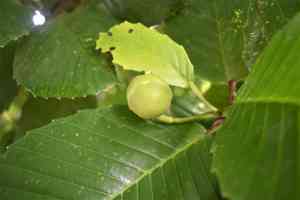
Katmon (Dillenia philippinensis)
Also known as: Philippine dillenia
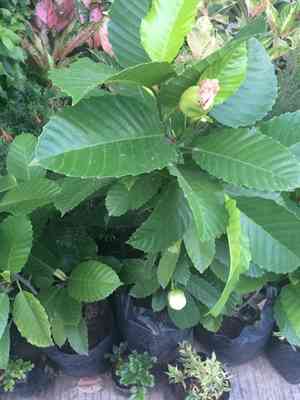
This plant is an evergreen shrub or tree that can reach up to 15 meters in height. The leaves are quite large, ranging from 15 to 36 cm, and feature a distinctly corrugated texture with noticeable veins. The branches are known for being excellent firewood. Its flowers are sizable, measuring 15 to 20 cm across, with five white petals and a multitude of yellow stamens.
In This Article
Attributes of Katmon
Lifespan
Perennial
Plant Type
Tree
Plant Height
10 m to 15 m
Spread
5-10 meters
Leaf Color
Green
Flower Size
15 cm
Flower Color
White
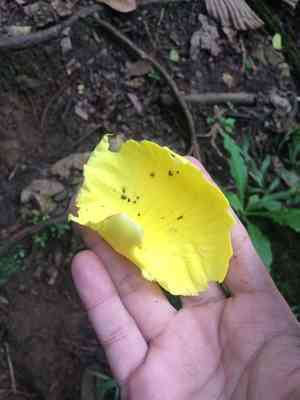
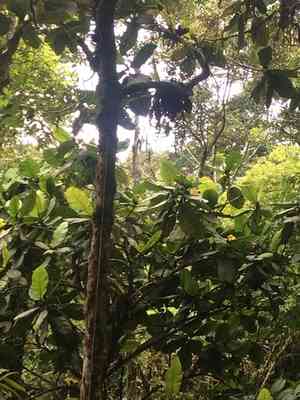
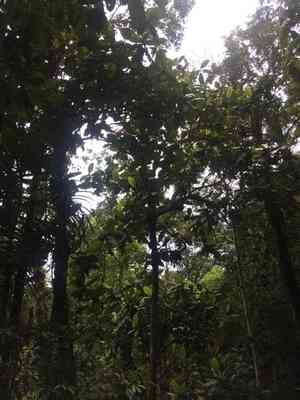
Images of Katmon
Quickly Identify Katmon
1
To identify Dillenia philippinensis, look for a tree with a height of 6-17 meters, large, glossy, obovate leaves with serrated edges, and white flowers with a prominent yellow center. The fruit is round, green, and becomes woody when mature.
Scientific Classification of Katmon
Phylum
Vascular plants
Class
Dicotyledons
Order
Dilleniales
Family
Dillenia
Genus
Dillenia
Species
Katmon
Planting and Growing of Katmon
Care Difficulty
Moderate
Watering Schedule
Every 8 days
Sunlight Requirements
Full sun
Sunshine Duration
4-8 hours
Ideal Temperature
65-85℉
Soil Type
Potting Mix, Peat Mix
Soil pH
5.5-7.5
Fertilizer Type
Balanced
Pruning Season
Spring, Summer
Pruning Area
Branches, Leaves
Pruning Frequency
2 times a year
Repotting Season
Spring
Pot Type
Ceramic, Plastic
 How to Water Katmon?
Dillenia philippinensis requires a generous watering amount, typically around 1000 milliliters per session, ensuring the soil is moist but not waterlogged. The goal is to maintain a consistent level of moisture, as its natural habitat tends to be quite humid. Always ensure the soil is thoroughly soaked until water begins to drain from the bottom of the pot.
What are the symptoms of an underwatered Katmon?
›
What should I do if my Katmon is not getting enough water?
›
What are the symptoms of an overwatered Katmon?
›
How to save an overwatered Katmon?
›
 What Are the Sunlight Requirements for Katmon?
The ideal light range for Dillenia philippinensis is a combination of full sun and partial shade. This range optimizes photosynthesis, resulting in robust growth and abundant blooming while preventing photo damage.
More About Sunlight Requirements Techniques→
What is the ideal lighting condition?
›
How to achieve ideal lighting?
›
What are the benefits of ideal lighting?
›
 What Is the Ideal Temperature Range for Katmon?
The ideal temperature range for Dillenia philippinensis is between 65°F and 85°F. This range supports optimal metabolic functions and photosynthesis in the plant, enabling it to grow and develop healthily. In this temperature scope, the plant is less likely to experience stress, leading to vibrant foliage and vigorous flowering.
 What Soil is Best for Katmon?
Dillenia philippinensis thrives in well-drained soil, which ensures that water does not stagnate around its roots. This prevents root rot and promotes healthy plant growth. The plant requires soil that is rich in organic matter, providing essential nutrients for vigorous growth. A nutrient-dense environment supports the development of lush foliage and robust flowering. Soil that retains moisture while remaining aerated is ideal for this plant. It allows the roots to access necessary water while also providing air circulation to prevent suffocation.
 How to Fertilize Katmon?
Dillenia philippinensis thrives when given the right balance of nutrients. Use a balanced 10-10-10 liquid fertilizer at the recommended rate on the label. Avoid over-fertilizing, as this can lead to salt buildup and damage to the roots.
 How to Prune Katmon?
While it might be tempting to prune aggressively for shape, over-pruning can stress the Dillenia philippinensis. Ensure you retain enough foliage to support photosynthesis and cater to the plant's nutritional needs. Over-pruning can lead to less flowering and stunted growth. Avoid pruning during periods of extreme temperature or drought, as the plant is less resilient to stress under such conditions. Pruning in cooler weather is ideal, as it allows the tree to recover more swiftly and reduces the risk of disease and pest infestation.
More About Pruning Techniques→
 How to Propagate Katmon plant?
1
Collect mature seeds from the fruit of Dillenia philippinensis. Soak them in warm water overnight to break dormancy and enhance germination rates.
2
Choose healthy branches for cuttings, cutting at a 45-degree angle to increase surface area for rooting. Each cutting should include at least three nodes.
3
Place the soaked seeds in a seed tray filled with a mixture of sand and peat moss. Maintain consistent moisture levels to support germination.
 How to Repot Katmon plant?
1
Dillenia philippinensis should be repotted when you notice roots crowded at the drainage holes or when growth becomes significantly stunted. Another clear sign is when watering becomes more frequent due to the soil drying out rapidly. These signals indicate that your plant is ready for a new, larger container to thrive and spread its roots comfortably.
2
Select a pot that is a few inches larger in diameter than the current one, allowing room for root expansion. Ensure it has adequate drainage holes to prevent waterlogging, which can lead to root rot. A well-chosen pot supports better root health and robust plant development by promoting air circulation around the roots.
3
Opt for a well-draining loamy mix, enriched with organic matter like compost or peat. This soil type provides the necessary drainage to prevent waterlogged conditions while retaining sufficient moisture and nutrients. It mimics the natural habitat of Dillenia philippinensis, ensuring better adaptation and healthier growth.
Learn More About Katmon Diseases
Anthracnose
Bacterial Leaf Spot
Bacterial Soft Rot
Bacterial Wilt
Crown Gall
Damping-off
Drought Stress
Fusarium Wilt
Gray Mold
Leaf Curl
Leaf Spot
Mosaic
Nutrient Deficiency
Nutrient Toxicity
Powdery Mildew
Root Rot
Root-knot Nematode
Rusts
Sooty Mold
Spider Mites
Temperature Stress
Thrips Damage
White Mold



