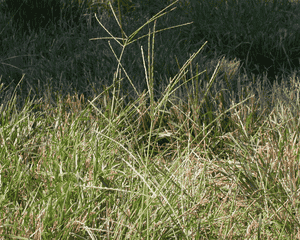
Hairy crabgrass (Digitaria sanguinalis)
Also known as: Common crabgrass, Summer grass, Purple crabgrass
Johnsongrass (*Sorghum halepense*) is a well-known weed species globally recognized for its resilience. Though sometimes utilized as animal fodder, managing Johnsongrass often necessitates a comprehensive control strategy. This is because the herbicides used to eradicate it can potentially damage nearby grasses.
In This Article
Attributes of Hairy crabgrass
Lifespan
Annual, Biennial
Plant Type
Grass
Plant Height
10 cm to 80 cm
Spread
30 cm
Leaf Color
Green Blue
Flower Size
2.5 cm
Flower Color
Green Yellow Red Brown
Images of Hairy crabgrass
Quickly Identify Hairy crabgrass
1
Sprawling growth habit with lower branches close to the ground and upright upper branches.
2
One-flowered spikelets aligned along racemes up to 8 inches (20 cm) long.
3
Caryopsis fruit enclosed in protective glumes, reddish when mature, 1-1.5 mm wide.
4
Leaves up to 6 inches (15 cm) long, dull light green, slightly curly margins.
5
Prostrate stems rooting at nodes, 2 feet (60 cm) long, green to purple in color.
Scientific Classification of Hairy crabgrass
Phylum
Vascular plants
Class
Monocotyledons
Order
Poales
Family
Grass
Genus
Crabgrasses
Species
Hairy crabgrass
Planting and Growing of Hairy crabgrass
Care Difficulty
Easy
Watering Schedule
Every 8 days
Sunlight Requirements
Full sun
Sunshine Duration
4-8 hours
Ideal Temperature
68-86℉
Soil Type
Potting Mix, Peat Mix
Soil pH
5.5-7.5
Fertilizer Type
Balanced
Pruning Season
Spring, Summer
Pruning Area
Branches, Leaves
Pruning Frequency
2 times a year
Repotting Season
Spring
Pot Type
Plastic, Terracotta
 How to Water Hairy crabgrass?
For Digitaria sanguinalis, aim for watering each time with about 200 ml. The goal is to ensure the soil is moist but not waterlogged. Water should penetrate the soil enough to reach the roots but should not leave standing water, which can lead to root rot.
What are the symptoms of an underwatered Hairy crabgrass?
›
What should I do if my Hairy crabgrass is not getting enough water?
›
What are the symptoms of an overwatered Hairy crabgrass?
›
How to save an overwatered Hairy crabgrass?
›
 What Are the Sunlight Requirements for Hairy crabgrass?
Digitaria sanguinalis prefers full to partial sun, ideally 6 to 8 hours. Adequate light enhances photosynthesis, promoting better nutrient absorption and healthier overall growth.
What is the ideal light level for Digitaria sanguinalis?
›
How can you ensure this plant gets its ideal light?
›
What are the benefits of ideal sunlight for Digitaria sanguinalis?
›
 What Is the Ideal Temperature Range for Hairy crabgrass?
The ideal temperature range for Digitaria sanguinalis is between 68°F and 86°F. Maintaining this temperature range ensures optimal growth and development by providing warm conditions that mimic its natural environment. This range supports the metabolic processes vital for photosynthesis and nutrient uptake, promoting healthy foliage and robust growth.
 What Soil is Best for Hairy crabgrass?
Digitaria sanguinalis prefers well-drained soil that prevents root rot and ensures healthy growth. Ensuring it's not waterlogged maintains a vibrant and thriving plant. While Digitaria sanguinalis isn't fussy, it does benefit from moderate nutrient levels. Adding organic matter enhances soil fertility, promoting vigorous growth. The grass thrives in loose soil which allows roots to expand and access nutrients efficiently. Tilling or aerating the soil supports healthy root development.
 How to Fertilize Hairy crabgrass?
Digitaria sanguinalis, commonly known as crabgrass, is not a heavy feeder. Use a balanced liquid fertilizer, such as a 10-10-10 formulation, applying it sparingly to avoid excessive growth. A general rule of thumb is to use about 1 ounce per gallon of water, ensuring a thorough yet gentle application. Adjust the amount based on specific soil nutrient needs and plant size.
 How to Prune Hairy crabgrass?
Begin by assessing the overall health of your Digitaria sanguinalis. Identify any overgrown or unwanted shoots that need to be trimmed. Use sharp, clean pruning shears to cut the stems at a 45-degree angle to prevent disease. Focus on cutting back any tangled or overcrowded areas to promote airflow. Aim to maintain a height of around 2 to 4 inches for optimal growth, and remove any dead or yellowing leaves to keep the plant vigorous.
 How to Propagate Hairy crabgrass plant?
1
Collect seeds from mature Digitaria sanguinalis plants when they have fully turned brown. Ensure seeds are dry and free from mold before storage or planting.
2
Sow seeds sparsely on the surface of prepared potting soil in a seed tray. Lightly cover with a thin layer of soil to ensure they receive sunlight necessary for germination.
3
Maintain consistent moisture in the soil without waterlogging. Use a fine sprayer to mist the soil surface to avoid dislodging seeds.
 How to Repot Hairy crabgrass plant?
1
A good time to repot Digitaria sanguinalis is when you notice the roots are growing out of the drainage holes or the plant has outgrown its current pot. Another sign is reduced growth, indicating that the plant may not be getting enough nutrients.
2
Select a pot that is about 2-3 inches larger in diameter than the current one. Ensure it has drainage holes to prevent water-log, which could suffocate the roots. A larger pot allows for continued growth and enough space for roots to expand.
3
Opt for a well-draining potting mix that retains moisture but allows excess water to flow away. This soil type ensures that the Digitaria sanguinalis roots receive the necessary moisture without being prone to rot, crucial for healthy development.



