
Dictamnus (Dictamnus) (Dictamnus)
Also known as: Burning Bush, Gas Plant, Dittany
Dictamnus is a genus of flowering plants frequently grown for their ornamental value in gardens. During the summer, these plants exude a sticky, aromatic substance that can cause skin irritation. Remarkably, the volatile oils they produce can ignite when temperatures are high, making them a potential fire hazard.
In This Article
Attributes of Dictamnus (Dictamnus)
Lifespan
Perennial
Plant Height
60-120 cm
Spread
30-60 cm
Leaf Color
Dark green
Flower Size
4-5 cm
Flower Color
White, pink, sometimes purple
Images of Dictamnus (Dictamnus)
Quickly Identify Dictamnus (Dictamnus)
1
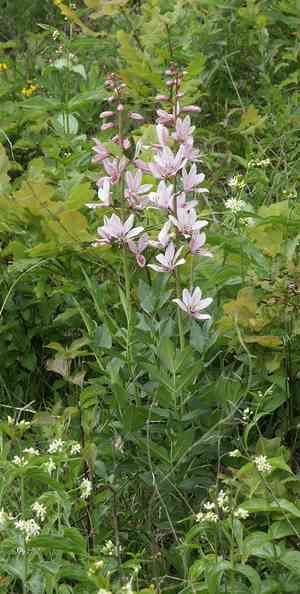
Dictamnus can be identified by its aromatic, compound leaves, and showy, star-shaped white or pink flowers that bloom in late spring or early summer. The plant\'s ability to produce flammable oils is also a distinctive characteristic.
Scientific Classification of Dictamnus (Dictamnus)
Phylum
Magnoliophyta
Class
Magnoliopsida
Order
Sapindales
Family
Rutaceae
Genus
Dictamnus
Planting and Growing of Dictamnus (Dictamnus)
Care Difficulty
Moderate
Watering Schedule
Every day
Sunlight Requirements
Full sun
Sunshine Duration
6-10 hours
Ideal Temperature
68-77℉
Soil Type
Potting Mix, Peat Mix
Soil pH
6.5-7.5
Fertilizer Type
Balanced
Pruning Season
Spring, Summer
Pruning Area
Branches, Leaves
Pruning Frequency
2 times a year
Repotting Season
Spring
Pot Type
Plastic, Ceramic
 How to Water Dictamnus (Dictamnus)?
For Dictamnus, it's crucial to ensure the soil is moist but not waterlogged. When watering, aim for about 500 ml per session, enough to moisten the top 10-15 cm of soil. Always let the top layer dry out before watering again.
What are the symptoms of an underwatered Dictamnus (Dictamnus)?
›
What should I do if my Dictamnus (Dictamnus) is not getting enough water?
›
What are the symptoms of an overwatered Dictamnus (Dictamnus)?
›
How to save an overwatered Dictamnus (Dictamnus)?
›
 What Are the Sunlight Requirements for Dictamnus (Dictamnus)?
Dictamnus ideally grows in full to partial sun. Proper sunlight exposure ensures thriving plant health, robust growth, and prolific flowering, enhancing its ornamental value.
What type of sunlight is best?
›
How can adequate sunlight be achieved indoors?
›
What benefits does ideal sunlight provide?
›
 What Is the Ideal Temperature Range for Dictamnus (Dictamnus)?
The ideal temperature range for growing Dictamnus lies between 68 to 77°F. Maintaining the temperature within this range ensures optimal growth, flowering, and overall health. During this phase, the plant receives enough warmth to facilitate photosynthesis while preventing heat stress.
 What Soil is Best for Dictamnus (Dictamnus)?
Dictamnus requires well-drained soil to prevent root rot. Proper drainage allows roots to breathe and access nutrients efficiently, promoting healthy growth and vibrant foliage. This plant thrives in soil with moderate fertility. Balanced nutrients ensure robust flowering and foliage, enhancing both the beauty and health of the plant. A pH ranging from neutral to slightly alkaline is ideal for Dictamnus, as it supports optimal nutrient uptake and promotes vigorous growth.
 How to Fertilize Dictamnus (Dictamnus)?
For Dictamnus, use a balanced fertilizer with a nutrient ratio such as 10-10-10. When applying liquid fertilizer, dilute it to half its strength to avoid burning the plant. Typically, 20-30 ml of liquid fertilizer in a gallon of water should suffice.
 How to Prune Dictamnus (Dictamnus)?
Start by removing any dead or damaged stems, cutting them back to a healthy bud or the base of the plant. Trim the plant to maintain its natural shape, cutting just above a bud to encourage new shoots to sprout in the desired direction. Be careful not to over-prune, as this can stress the plant. Pruning in late spring or early summer helps stimulate new growth. Focus on thinning out crowded areas to improve air circulation, which reduces the risk of fungal diseases. Make cuts at a 45-degree angle close to a bud to direct growth and ensure robustness.
 How to Propagate Dictamnus (Dictamnus) plant?
1
Fill a seed tray with well-draining seed starting mix. Moisten the soil lightly before sowing the seeds. Ensure that the soil is firm but not compacted, providing a good base for seed establishment.
2
Scatter Dictamnus seeds evenly on the surface of the soil in the tray. Cover them with a thin layer of soil or vermiculite. Mist the surface gently to provide moisture, and cover the tray with clear plastic to maintain humidity.
3
During early spring, carefully dig up the mature Dictamnus plant. Use a sharp knife to divide the root clump into smaller sections. Each section should contain healthy roots and shoots. Replant these divisions in prepared garden beds or pots.
 How to Repot Dictamnus (Dictamnus) plant?
1
Look for signs such as roots growing out of the drainage holes, soil drying out too quickly, or reduced growth. These are strong indicators that your Dictamnus needs a new pot. Spring and Autumn are ideal seasons as the plant is not in active bloom, minimizing stress.
2
Opt for a pot that is 1-2 inches larger in diameter than the current one. This allows space for root growth without excessive soil that retains too much moisture. Ensure the pot has ample drainage holes to prevent waterlogging, which can lead to root rot.
3
Use a soil mix that is well-draining and alkaline to mimic the plant's natural environment. Sandy loam or a cactus mix with added lime can provide the right conditions, promoting healthy root development and preventing water retention.
Toxicity
ingestion, contact with skin
WARNING
The judgment on toxicity and danger is for reference only. We DO NOT GUARANTEE any accuracy of such judgment. Therefore, you SHALL NOT rely on such judgment. It is IMPORTANT TO SEEK PROFESSIONAL ADVICE in advance when necessary.

