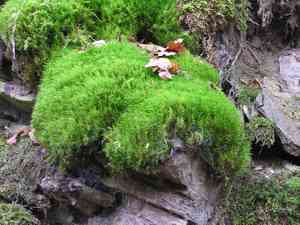
Dicranella moss (Dicranella varia)
Also known as: Distinct Fork-moss
Dicranella moss is a petite moss with slender, green stems. Its narrow, curved leaves create compact clumps, giving it a soft, velvety look. This moss excels in damp, shaded areas, commonly growing on soil and rocks, and enhancing the forest floor's texture. Its strong moisture retention and adaptability to different substrates support its thriving presence in diverse, moist environments.
In This Article
Attributes of Dicranella moss
Lifespan
Perennial
Plant Type
Moss
Plant Height
1-2 cm
Spread
N/A
Leaf Color
Green
Flower Size
N/A
Flower Color
N/A
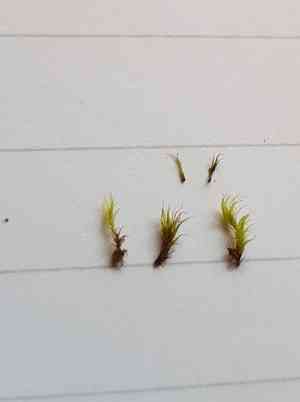
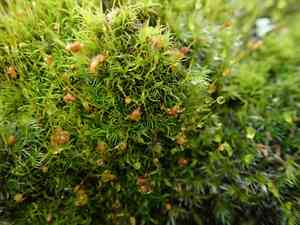
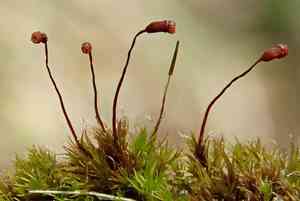
Images of Dicranella moss
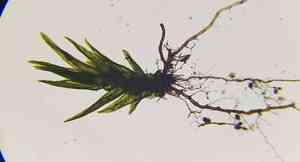
Quickly Identify Dicranella moss
1
Dicranella varia can be identified by its small size, slender and erect stems, and narrowly pointed leaves that are typically 1-2 mm long. The leaves are often erect-spreading when moist and can appear somewhat twisted when dry. The presence of a single nerve running down the middle of the leaf is a key characteristic.
Scientific Classification of Dicranella moss
Phylum
Mosses
Class
True mosses
Order
Dicranales
Family
Dicranaceae
Genus
Dicranella moss
Species
Dicranella moss
Planting and Growing of Dicranella moss
Care Difficulty
Moderate
Watering Schedule
Every 2 days
Sunlight Requirements
Partial sun
Sunshine Duration
6-8 hours
Ideal Temperature
50-70℉
Soil Type
Potting Mix, Peat Mix
Soil pH
6-7.5
Fertilizer Type
Balanced
Pruning Season
Spring, Summer
Pruning Area
Branches, Leaves
Pruning Frequency
2 times a year
Repotting Season
Spring
Pot Type
Plastic, Ceramic
 How to Water Dicranella moss?
For Dicranella varia, ensure that the soil is evenly moist without becoming soggy. Approximately 100 ml of water per session is advised. The water should reach a depth where it accommodates the roots without water pooling on the surface.
What are the symptoms of an underwatered Dicranella moss?
›
What should I do if my Dicranella moss is not getting enough water?
›
What are the symptoms of an overwatered Dicranella moss?
›
How to save an overwatered Dicranella moss?
›
 What Are the Sunlight Requirements for Dicranella moss?
Dicranella varia benefits from partial to full shade, thriving in an environment with dappled sunlight. By embracing this range, the plant can simulate its natural woodland niche, supporting robust growth and rich green foliage.
What is the ideal light intensity for Dicranella varia?
›
How can Dicranella varia receive its ideal light exposure?
›
Why is correct lighting crucial for Dicranella varia?
›
 What Is the Ideal Temperature Range for Dicranella moss?
Dicranella varia thrives best in a moderate temperature range between 50°F and 70°F. Within this range, the plant can perform photosynthesis efficiently, leading to optimal growth conditions. This moderate climate helps maintain its metabolic processes in balance, ensuring it has enough energy for structural and physiological functions.
 What Soil is Best for Dicranella moss?
Dicranella varia thrives in nutrient-rich soil that provides essential minerals for optimal growth. Such a soil supports robust moss development and enhances its green, lush appearance. This plant prefers well-draining substrate that prevents waterlogging, which could otherwise lead to root rot. Ensuring adequate drainage helps maintain plant health and promotes active growth. A moisture-retentive soil base is crucial as it supports the plant's need for humidity, without drenching its roots. This balance facilitates consistent hydration, leading to steady growth.
 How to Fertilize Dicranella moss?
Dicranella varia generally requires a delicate balance in fertilization, as they are not heavy feeders. Aim for a diluted liquid fertilizer, mixed at one-quarter to half the recommended strength to prevent over-fertilization and maintain the health of this moss.
 How to Prune Dicranella moss?
To prune Dicranella varia, start by gently clearing the surrounding debris to get unobstructed access to the plant. Use sharp scissors or gardening shears to trim the tips or any overgrown strands. Aim for an even shape that maintains the plant's natural appearance. Regularly check for any dead or discolored patches during the process and remove them to prevent infection or rot. Always clean your tools before and after to avoid spreading diseases. For advanced shaping, decide on the desired profile you want your Dicranella varia to maintain—that could be a lush, rounded mound or a more structured, tiered look. Cut back sections carefully, ensuring you don’t cut too deeply, which could damage the underlying layers. Remember, mosses grow slowly, so patience is key. Consistent, shallow efforts over time will yield the best structural results without shocking the plant.
 How to Propagate Dicranella moss plant?
1
Select a healthy Dicranella varia plant, and water it a day before dividing to ensure the roots are hydrated. This eases the separation process.
2
Carefully remove the plant from its container or the ground. Gently separate sections of the plant with your hands or a tool, ensuring each section has roots attached.
3
Plant each division into a separate pot with moist, well-draining soil. Ensure that the roots are fully covered, and lightly tamp the soil to secure the plant in place.
 How to Repot Dicranella moss plant?
1
Dicranella varia shows signals like slowed growth or roots emerging from drainage holes when it’s time to repot. Spring and summer are ideal seasons due to active growth, making it easier for the plant to recover from the stress of repotting.
2
Select a pot that is about one size larger than the current one. This size allows ample room for roots to expand without overwhelming the plant with excess soil, which can retain too much moisture and lead to root rot.
3
Opt for a moist, well-draining moss mix. This soil type mimics Dicranella varia's natural habitat and ensures adequate aeration and moisture retention, preserving root health and preventing waterlog damage.

