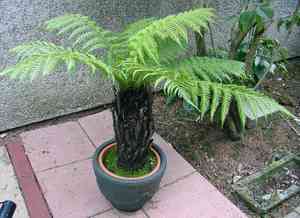
Australian tree fern (Dicksonia antarctica)
Also known as: Woolly tree fern, Tasmanian tree fern
The Australian tree fern, scientifically known as Cyathea cooperi, originates from Australia, particularly in Queensland and New South Wales. It features an upright trunk formed by an erect rhizome. The fern's canopy is composed of alternating fronds with bright green, finely divided leaves. Over time, it can reach up to 15 meters (49 feet) in height. This fern thrives in humid, tropical and subtropical rainforest conditions, preferring well-drained, fertile soil and partial to dappled sunlight. Interestingly, this species is ancient and dates back to a period predating the dinosaurs.
In This Article
Attributes of Australian tree fern
Lifespan
Perennial
Plant Type
Fern
Plant Height
4.5 m to 15 m
Spread
2.5 m to 3.5 m
Leaf Color
Green
Flower Size
N/A
Flower Color
N/A
Images of Australian tree fern
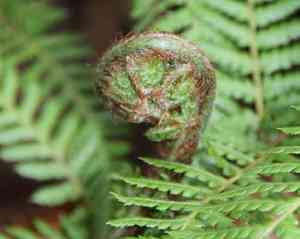
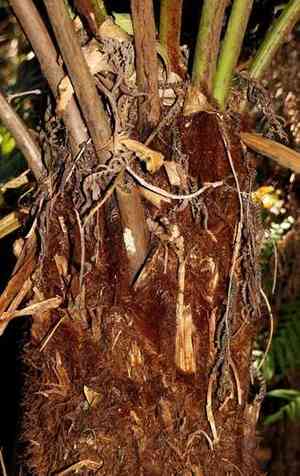
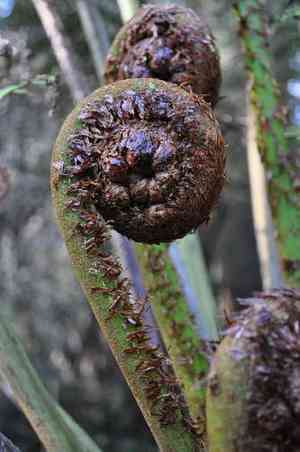
Quickly Identify Australian tree fern
1
Majestic fern reaching 15 feet (4.6 meters) tall with a lush crown of arching fronds.
2
Trunk enveloped in soft, reddish-brown fibers, overall form of a full, rounded head.
3
Fronds intricately divided into numerous small, toothed leaflets.
4
Thrives in shaded environments but tolerates sun with regular fog.
5
Hardy and evergreen down to mid 20 degrees Fahrenheit (-6.7 degrees Celsius).
Scientific Classification of Australian tree fern
Phylum
Vascular plants
Class
Ferns
Order
Cyatheales
Family
Tree-ferns
Genus
Tree fern
Species
Australian tree fern
Planting and Growing of Australian tree fern
Care Difficulty
Hard
Watering Schedule
Every 3 days
Sunlight Requirements
Partial sun
Sunshine Duration
6-10 hours
Ideal Temperature
60-75℉
Soil Type
Potting Mix, Peat Mix
Soil pH
6.5-7.5
Fertilizer Type
Balanced
Pruning Season
Spring, Summer
Pruning Area
Branches, Leaves
Pruning Frequency
2 times a year
Repotting Season
Spring
Pot Type
Ceramic, Plastic
 How to Water Australian tree fern?
For Dicksonia antarctica, ensure the soil is consistently moist without becoming waterlogged. Approximately 1000ml of water per session is ideal, ensuring the water percolates deeply into the root system for thorough hydration.
What are the symptoms of an underwatered Australian tree fern?
›
What should I do if my Australian tree fern is not getting enough water?
›
What are the symptoms of an overwatered Australian tree fern?
›
How to save an overwatered Australian tree fern?
›
 What Are the Sunlight Requirements for Australian tree fern?
Partial sun with some full shade is ideal, simulating its natural forest environment. These conditions ensure robust growth with lush, healthy foliage and prevent stress-related issues.
More About Sunlight Requirements Techniques→
What is the best lighting condition for Dicksonia antarctica?
›
How can I achieve the ideal lighting conditions?
›
What benefits does ideal lighting provide?
›
 What Is the Ideal Temperature Range for Australian tree fern?
Dicksonia antarctica thrives best within a temperature range of 60 to 75°F. This range allows for optimal growth and health of the plant by balancing warmth and moisture levels typical of its native environment. It facilitates the photosynthesis process and prevents stress that could occur at extreme temperatures.
 What Soil is Best for Australian tree fern?
Dicksonia antarctica thrives in moist environments. Ensuring the soil retains moisture is vital for its growth, as it mimics its native rainforest habitat, preventing dehydration and fostering lush frond development. This fern benefits from nutrient-rich soils, which provide essential minerals necessary for robust growth. Loamy soils, high in organic matter, support healthy root systems and vibrant foliage. While moisture retention is essential, so is preventing waterlogging. Well-draining soils like sandy loams allow excess water to escape, reducing the risk of root rot and ensuring optimal plant health.
 How to Fertilize Australian tree fern?
When feeding your Dicksonia antarctica, use a balanced liquid fertilizer diluted to half strength. Apply about 100 ml per application, taking care not to oversaturate the soil. For slow-release fertilizers, use around 50 grams per plant, spreading it evenly on the soil surface.
 How to Prune Australian tree fern?
Ensure to prune during Spring or early Summer when the plant is actively growing to facilitate better recovery and growth. Avoid cutting into the trunk as this can scar the tree or introduce infection. Keep cuts clean and precise. Take care to protect new buds and shoots during pruning as these will become the next fronds.
More About Pruning Techniques→
 How to Propagate Australian tree fern plant?
1
Collect spores from mature fronds; ensure that the spores are ripe by checking for their dusty appearance.
2
Sow the spores on the surface of the sterilized potting medium without covering, as they require light to germinate.
3
Cover the container with a plastic lid or wrap to create a mini greenhouse effect and maintain consistent humidity for spore germination.
 How to Repot Australian tree fern plant?
1
Repotting Dicksonia antarctica should be done when you notice its roots are crowding the pot or growth has slowed significantly. These signals usually indicate that the fern needs more room to continue thriving. Spring and summer are ideal times, as the plant is actively growing.
2
Select a pot that is 2-3 inches larger in diameter than the current one. Ensure it has sufficient drainage holes to prevent waterlogging. A pot slightly wider than deep supports the fern's shallow root system, promoting healthy growth and preventing root rot.
3
Choose a loamy, well-draining soil mix rich in organic matter. This type of soil offers the necessary nutrients and drainage for Dicksonia antarctica, mimicking its natural habitat and ensuring robust growth. A balanced mix of sand, peat, and compost works well.



