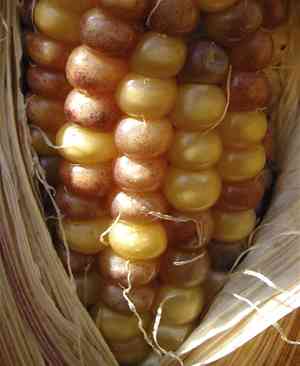
Angleton blue-stem (Dichanthium aristatum)
Also known as: Yellow bluestem
Dichanthium aristatum, widely used as forage for livestock, is known by various names across different regions:
- **Australia and Cuba**: Angleton grass
- **Philippines**: Alabang X
- **USA**: Angleton blue-stem, Yellow bluestem
- **Hawai'i**: Wildergrass
- **General Spanish-speaking regions**: Hierba
These names highlight its diverse regional presence and importance in agriculture.
In This Article
Attributes of Angleton blue-stem
Lifespan
Perennial
Plant Type
Grass
Plant Height
20 cm to 60 cm
Spread
30-100 cm
Leaf Color
Green
Flower Size
2 cm to 5 cm
Flower Color
Yellow Green Brown
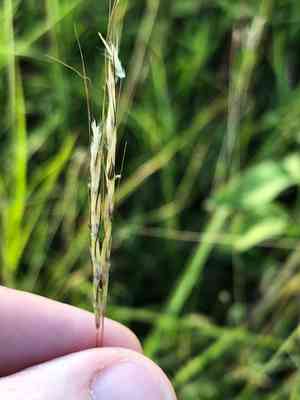
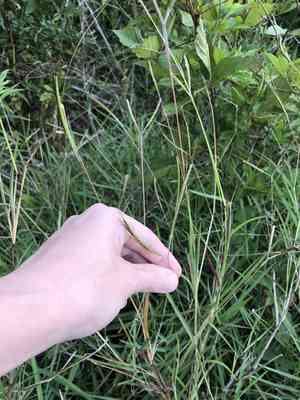
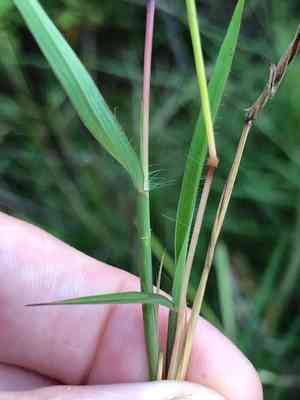
Images of Angleton blue-stem

Quickly Identify Angleton blue-stem
1
To identify Dichanthium aristatum, look for its bluish-green stems and leaves that turn purple as they mature. The plant produces delicate panicles with spikelets that have a characteristic awn, giving the inflorescence a fluffy appearance.
Scientific Classification of Angleton blue-stem
Phylum
Vascular plants
Class
Monocotyledons
Order
Poales
Family
Grass
Genus
Bluestem
Species
Angleton blue-stem
Planting and Growing of Angleton blue-stem
Care Difficulty
Easy
Watering Schedule
Every 3 days
Sunlight Requirements
Full sun
Sunshine Duration
6-10 hours
Ideal Temperature
68-86℉
Soil Type
Potting Mix, Peat Mix
Soil pH
6.5-7.5
Fertilizer Type
Balanced
Pruning Season
Spring, Summer
Pruning Area
Branches, Leaves
Pruning Frequency
2 times a year
Repotting Season
Spring
Pot Type
Plastic, Ceramic
 How to Water Angleton blue-stem?
For Dichanthium aristatum, also known as Florida Bluestem, the watering amount should allow the soil to be moist without being waterlogged. It's ideal to ensure the top inch of soil is dry before the next watering. The amount of 500ml per session should thoroughly moisten the root zone, allowing the roots to absorb moisture properly.
What are the symptoms of an underwatered Angleton blue-stem?
›
What should I do if my Angleton blue-stem is not getting enough water?
›
What are the symptoms of an overwatered Angleton blue-stem?
›
How to save an overwatered Angleton blue-stem?
›
 What Are the Sunlight Requirements for Angleton blue-stem?
An ideal light exposure for Dichanthium aristatum is full sun, allowing for ample photosynthesis and healthy growth. Proper sunlight enables strong, vigorous growth and enhances the plant's natural defenses.
Ideal Placement
›
Sunlight Extension
›
Light Monitoring
›
 What Is the Ideal Temperature Range for Angleton blue-stem?
The ideal temperature range for Dichanthium aristatum is between 68°F and 86°F. This range allows the plant to photosynthesize efficiently, promoting robust growth and optimal health. Maintaining these temperatures ensures that nutrient uptake is maximized, supporting overall plant vigor and productivity.
 What Soil is Best for Angleton blue-stem?
Dichanthium aristatum thrives in nutrient-rich loam which provides a well-balanced mix of sand, silt, and clay. This type of soil supports healthy root development and helps the plant absorb essential nutrients effectively. Sandy loam is ideal for ensuring good drainage. The added sand particles aid in preventing waterlogging, which can severely damage the roots and overall health of Dichanthium aristatum. A pH range of 6.5 to 7.5 is optimal for Dichanthium aristatum, ensuring nutrient availability and soil microorganism health. This pH supports the plant's overall vigor and growth.
 How to Fertilize Angleton blue-stem?
To nourish Dichanthium aristatum effectively, it is crucial to apply fertilizers with balanced nutrient content. For liquid fertilizers, use approximately 1 ounce per gallon of water and apply evenly to ensure even absorption. With granular or slow-release fertilizers, an application rate of 1 to 2 pounds per 1000 square feet is generally sufficient. It's vital to follow the specific product instructions and adjust the quantity based on the observed plant responses and soil test results.
 How to Prune Angleton blue-stem?
Begin by identifying any dead or diseased stems and remove them completely. Next, trim back any overly long or unruly stems to even out the plant's shape. Make your cuts just above a node or a healthy bud to encourage new growth. Consistently check for pests or diseases and prune those areas first. Regularly stepping back to assess the plant's shape during the process ensures a balanced look. Prune Dichanthium aristatum in the early morning or late in the evening to minimize stress on the plant, avoiding the harsh midday sun. This timing helps preserve the plant's natural moisture levels, promoting quicker healing of the cut areas.
More About Pruning Techniques→
 How to Propagate Angleton blue-stem plant?
1
Fill the seed tray with potting soil, ensuring it is evenly spread. This will provide a stable medium for the seeds to germinate and develop young roots securely.
2
Sow the seeds evenly across the surface of the soil, respecting the recommended spacing. Lightly cover them with a thin layer of soil or vermiculite to maintain humidity and warmth, which are essential for germination.
3
Keep the soil moist but not waterlogged by using a fine mist spray. Ensure consistent moisture levels and provide gentle air circulation to prevent mold, which can threaten seedlings.
 How to Repot Angleton blue-stem plant?
1
Dichanthium aristatum shows it's ready for repotting by roots emerging from the drainage holes or when it appears significantly outgrown its current pot. Spring and early summer are ideal times as the plant is in its active growth phase, allowing it to recover quickly from being repotted and settle into its new pot.
2
Choosing the right pot is essential for Dichanthium aristatum. Opt for a container that's just a size larger than the current one, with ample drainage holes. This prevents waterlogging, encouraging healthy root growth and preventing root rot. The pot material can vary from terra cotta to plastic, depending on your aesthetic preference and the climate's moisture needs.
3
A well-drained loamy soil enriched with organic matter is best for Dichanthium aristatum. Good drainage ensures that the plant's roots do not sit in water, which could lead to rot. Additionally, loamy soil retains enough moisture to provide a consistent supply while allowing air to circulate through the roots.



