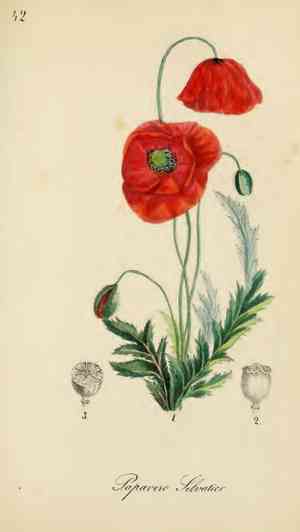
Longhorn steer's-head (Dicentra uniflora)
Also known as: Longhorn steerheads
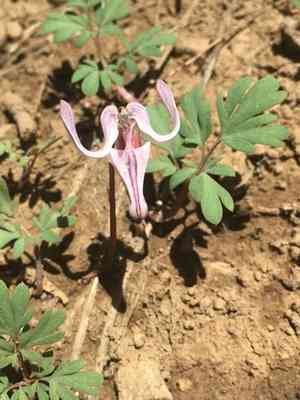
The name "Longhorn steer's head" is inspired by the plant's distinctively shaped flowers, which look like a steer's head with extended horns. The genus name *Dicentra* signifies "two spurs." This plant thrives in mid to high elevation areas, hugging the gravelly ground to withstand strong winds. Additionally, it serves as a host for the larvae of the American Apollo butterfly.
In This Article
Attributes of Longhorn steer's-head
Lifespan
Perennial
Plant Type
Herb
Plant Height
5 cm to 10 cm
Spread
5-10 cm
Leaf Color
Green
Flower Size
1-2 cm
Flower Color
Pink White Purple
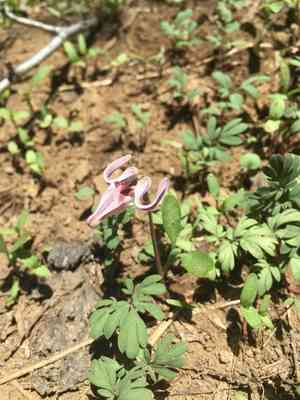
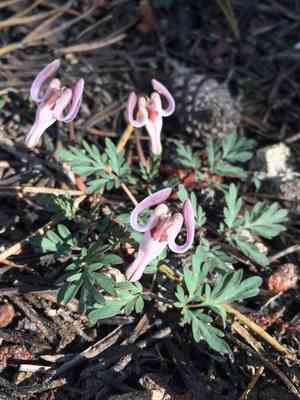
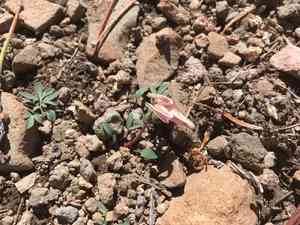
Images of Longhorn steer's-head
Quickly Identify Longhorn steer's-head
1
Dicentra uniflora can be identified by its distinctive steer head-shaped flowers, typically pink to white in color, and deeply divided, fern-like leaves. The plant generally grows low to the ground and prefers rocky, high-altitude habitats.
Scientific Classification of Longhorn steer's-head
Phylum
Vascular plants
Class
Dicotyledons
Order
Ranunculales
Family
Poppy
Genus
Bleeding-Hearts
Species
Longhorn steer's-head
Planting and Growing of Longhorn steer's-head
Care Difficulty
Hard
Watering Schedule
Every 2 days
Sunlight Requirements
Partial sun
Sunshine Duration
4-6 hours
Ideal Temperature
60-70℉
Soil Type
Potting Mix, Peat Mix
Soil pH
6.5-7.5
Fertilizer Type
Balanced
Pruning Season
Spring, Summer
Pruning Area
Branches, Leaves
Pruning Frequency
2 times a year
Repotting Season
Spring
Pot Type
Plastic, Ceramic
 How to Water Longhorn steer's-head?
For Dicentra uniflora, the watering should be moderate, allowing enough moisture to reach the roots without waterlogging. A general guideline is to water until the top inch of soil feels moist but not saturated. This ensures the plant receives enough hydration without risking root rot.
What are the symptoms of an underwatered Longhorn steer's-head?
›
What should I do if my Longhorn steer's-head is not getting enough water?
›
What are the symptoms of an overwatered Longhorn steer's-head?
›
How to save an overwatered Longhorn steer's-head?
›
 What Are the Sunlight Requirements for Longhorn steer's-head?
The ideal light range for Dicentra uniflora is partial sun to full shade. This ensures optimal leaf health, vibrant blooms, and a robust growth cycle, replicating the plant’s native forest habitat.
More About Sunlight Requirements Techniques→
What is the best lighting condition for Dicentra uniflora?
›
How can I achieve this ideal light for Dicentra uniflora?
›
What are the benefits of providing ideal lighting for Dicentra uniflora?
›
 What Is the Ideal Temperature Range for Longhorn steer's-head?
For Dicentra uniflora, maintaining an ideal temperature range between 60°F and 70°F is crucial for optimal growth and flowering. Such conditions help ensure proper metabolic processes and energy management within the plant, leading to healthy development.
 What Soil is Best for Longhorn steer's-head?
Dicentra uniflora thrives in well-drained soils, which help prevent root rot by allowing excess water to escape quickly. This characteristic is crucial for maintaining the plant's overall health, as stagnant water can lead to diseases. The plant benefits from nutrient-rich soil that provides essential minerals and nutrients necessary for growth and flowering. Organic matter like compost or well-rotted manure can be mixed in to enhance soil quality. Maintaining moderate moisture levels in the soil ensures that Dicentra uniflora stays hydrated without becoming waterlogged. Implementing a mulch layer helps in retaining moisture and stabilizing soil temperature.
 How to Fertilize Longhorn steer's-head?
Dicentra uniflora prefers modest fertilization. Too much can harm this delicate plant. Use diluted liquid fertilizer in a ratio of 1:2 and spread 50 grams of slow-release granules per square meter annually.
 How to Prune Longhorn steer's-head?
Begin by inspecting the plant for any dead or damaged stems and leaves. Use sharp, clean scissors or garden shears to remove these parts carefully, making cuts at a 45-degree angle about 1/4 inch above a bud or leaf node. This angle helps to prevent water from sitting on the cut surface, reducing the risk of disease. Gently trim back any overgrown or misshapen areas of the Dicentra uniflora to your desired shape. Be cautious to maintain the natural form of the plant, as excessive trimming can stress it. Aim to retain the plant's aesthetic appeal while ensuring sufficient room for future growth.
More About Pruning Techniques→
 How to Propagate Longhorn steer's-head plant?
1
Begin by filling seed trays with a well-draining potting mix. Sow the Dicentra uniflora seeds evenly across the tray surface and cover them lightly with soil. Ensure that they are kept moist but not waterlogged.
2
Divide mature plants by carefully digging around the root ball with a garden trowel. Gently separate the roots into sections, ensuring that each division has a healthy portion of roots and foliage.
3
After dividing, transplant the sections into well-prepared garden beds. Space them adequately apart to allow for growth, and water them immediately to help establish the roots.
 How to Repot Longhorn steer's-head plant?
1
Repot Dicentra uniflora when you notice the growth slowing down or roots peeking out of the pot's drainage holes. Another signal includes the plant becoming root-bound with less soil visible at the surface. Spring is ideal for repotting as it aligns with the plant's growth cycle, allowing it to establish itself well in its new pot.
2
Select a pot that is about 1-2 inches larger in diameter than the current one. It should have proper drainage holes to prevent waterlogging, which can lead to root rot. A pot made of clay or ceramic is ideal as it allows for breathability, aiding in the prevention of excess moisture retention.
3
Opt for a well-drained, sandy soil mix that mimics the plant's natural habitat. Incorporating some organic material can help retain essential nutrients, ensuring the plant receives the right balance for robust growth. This type of soil prevents water from accumulating at the roots, thus avoiding rot and encouraging healthy growth.
Learn More About Longhorn steer's-head Diseases
Anthracnose
Bacterial Leaf Spot
Bacterial Soft Rot
Bacterial Wilt
Black Spot
Chemical Injury
Crown Gall
Cyst Nematode
Damping-off
Downy Mildew
Drought Stress
Fusarium Wilt
Gray Mold
Leaf Curl
Leaf Spot
Mosaic
Nutrient Deficiency
Nutrient Toxicity
Powdery Mildew
Root Rot
Root-knot Nematode
Rusts
Sooty Mold
Spider Mites
Temperature Stress
Thrips Damage
White Mold



