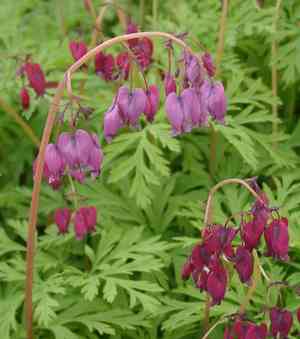
Pacific bleeding heart (Dicentra formosa)
Also known as: Bleeding heart
The Pacific bleeding heart (Dicentra formosa) is a perennial that reaches heights of 25 to 51 cm, showcasing attractive blue-green, fern-like leaves. It produces charming pink, heart-shaped flowers in clusters, typically blooming in late spring. If you remove spent flowers, it can continue to bloom into the summer. This plant thrives in moist, well-drained soil and prefers partial to full shade, making it ideal for woodland gardens.
Attributes of Pacific bleeding heart
Images of Pacific bleeding heart
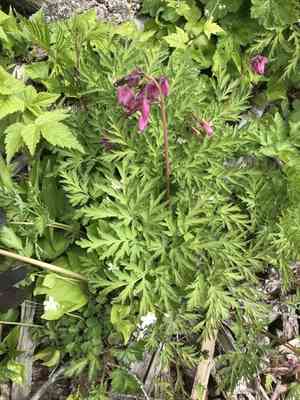
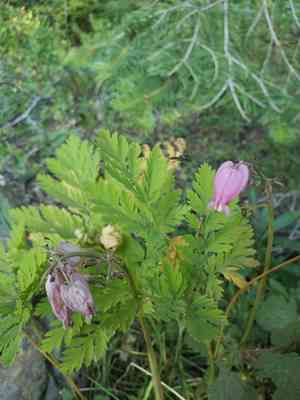
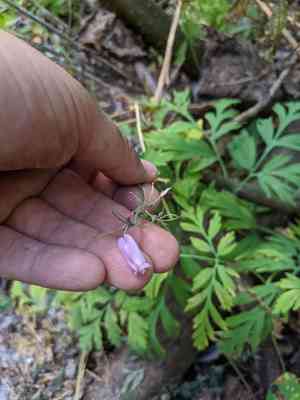
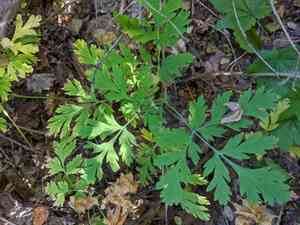
Quickly Identify Pacific bleeding heart
Scientific Classification of Pacific bleeding heart
Planting and Growing of Pacific bleeding heart
 How to Water Pacific bleeding heart?
 What Are the Sunlight Requirements for Pacific bleeding heart?
 What Is the Ideal Temperature Range for Pacific bleeding heart?
 What Soil is Best for Pacific bleeding heart?
 How to Fertilize Pacific bleeding heart?
 How to Prune Pacific bleeding heart?
 How to Propagate Pacific bleeding heart plant?
 How to Repot Pacific bleeding heart plant?
Toxicity of Pacific bleeding heart
Is Pacific bleeding heart toxic to humans?
The Pacific bleeding heart is an extremely toxic plant when ingested. Every part of this plant, including its leaves and flowers, contains toxic components. It possesses isoquinoline alkaloids that can lead to gastrointestinal upset. Commonly observed symptoms encompass nausea, vomiting, and diarrhea. Upon the consumption of a significant amount of the plant, it may result in convulsions and seizures. These symptoms can become severe, especially if large quantities are ingested. Other signs indicative of Pacific bleeding heart poisoning include loss of coordination and difficulty in breathing. Individuals who have conditions such as asthma or other chronic respiratory issues might face heightened risks for experiencing severe symptoms. Furthermore, people with sensitive skin might develop a mild rash upon contact with this plant.
Is Pacific bleeding heart toxic to cat?
The Pacific bleeding heart presents a serious health hazard to cats, as every component of the plant is toxic when ingested. Cats might inadvertently chew on parts of the Pacific bleeding heart due to curiosity or accidental encounters. Ingestion of this plant can result in various physical ailments or discomfort, highlighting the necessity for prompt veterinary care. If ingestion is suspected, it is crucial to quickly take the cat to a veterinary clinic for treatment to reduce the risk of serious health issues.
Is Pacific bleeding heart toxic to dog?
The Pacific bleeding heart is regarded as toxic to dogs. Canines might inadvertently consume various parts of this plant, resulting in poisoning. Every part of the plant, comprising leaves, stems, flowers, and roots, contains harmful substances that can adversely affect a dog if ingested. Symptoms of poisoning in dogs may manifest as gastrointestinal distress, vomiting, diarrhea, and more serious indications like tremors or cardiovascular complications, depending on the quantity consumed. Dog owners must diligently keep their pets away from the Pacific bleeding heart and promptly seek veterinary assistance if they suspect their dog has ingested any part of this plant.



