Squirrel Corn(Dicentra canadensis)

Squirrel Corn (Dicentra canadensis)

Also known as: Squirrel Corn, Turkey Corn

Squirrel Corn, or Dicentra canadensis, derives its common name from its yellow, corn-like tubers found at the roots. Native to North America, this plant is known for its distinctive heart-shaped flowers. It typically blooms in the spring before going dormant during the summer.

Attributes of Squirrel Corn

Lifespan
Perennial
Plant Type
Herb
Plant Height
8 cm to 15 cm
Spread
8 cm to 15 cm
Leaf Color
Green Blue
Flower Size
2.5 cm
Flower Color
White Pink

PlantJoy - Identify plants with a snap

Identify and diagnose plants, get toxicity alerts, and explore safety guides for all types of fungi.

Try for Free

Images of Squirrel Corn

Squirrel Corn(Dicentra canadensis)

Quickly Identify Squirrel Corn

1
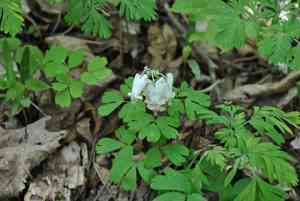
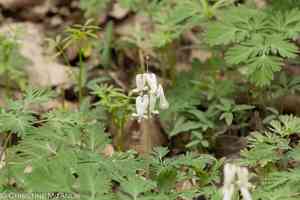
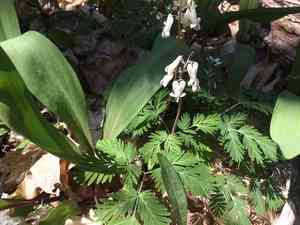
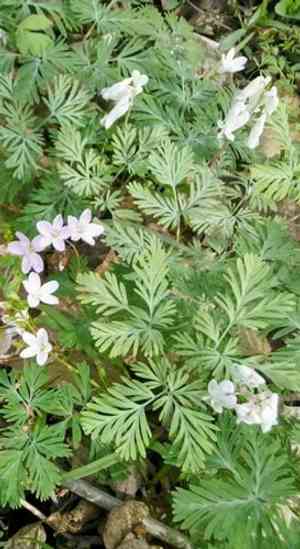
Heart-shaped white to pale pink flowers, 0.5 inches (1.27 cm) long, hanging upside down in clusters.
2
Triangular, thrice divided leaves, 5-9 inches (13-23 cm) long, with lacy appearance and pale green color.
3
Drooping seed capsules, 1/2 inch (1.3 cm), split neatly into two halves, revealing multiple seeds.
4
Flourishes in loamy, moist soil, reaching a modest height, forming clumps with graceful floral display.
5
Blossoms in April-May, fades by summer; a charming addition to shaded gardens during peak bloom.

Scientific Classification of Squirrel Corn

Phylum
Vascular plants
Class
Dicotyledons
Order
Ranunculales
Family
Poppy
Genus
Bleeding-Hearts
Species
Squirrel Corn

Planting and Growing of Squirrel Corn

Care Difficulty
Easy
Watering Schedule
Every 2 days
Sunlight Requirements
Partial sun
Sunshine Duration
4-8 hours
Ideal Temperature
50-70℉
Soil Type
Potting Mix, Peat Mix
Soil pH
6.5-7.5
Fertilizer Type
Balanced
Pruning Season
Spring, Summer
Pruning Area
Branches, Leaves
Pruning Frequency
2 times a year
Repotting Season
Spring
Pot Type
Plastic, Ceramic

water icon How to Water Squirrel Corn?

Dicentra canadensis, also known as Squirrel Corn, thrives with moderate watering. Aim to provide about 200ml of water each time, ensuring the soil is evenly moist but not soaking wet. This plant prefers well-draining soil to prevent root rot, so check the top inch of soil and water if it starts to feel dry.
What are the symptoms of an underwatered Squirrel Corn?
What should I do if my Squirrel Corn is not getting enough water?
What are the symptoms of an overwatered Squirrel Corn?
How to save an overwatered Squirrel Corn?

sunlight icon What Are the Sunlight Requirements for Squirrel Corn?

Sunlight Requirements: Partial sun, Full shade
Duration of light: 2 to 4 hours daily
Partial sun and full shade allow Dicentra canadensis to flourish. This lighting encourages robust flowering and healthy leaf growth, critical for the plant's ornamental appeal and longevity.
What is the ideal light condition for Dicentra canadensis?
How to achieve the ideal light conditions for this plant?
What benefits can arise from ideal lighting conditions?
More About Sunlight Requirements Techniques

temperature icon What Is the Ideal Temperature Range for Squirrel Corn?

Ideal Temperature: 50 ~ 70℉
To cultivate Dicentra canadensis successfully, it is important to maintain optimal temperature conditions. This species thrives in a range between 50°F and 70°F. Ensuring that the plant is kept within this temperature band will promote healthy growth and flowering. Any deviation might stress the plant, reducing its vigor and negatively impacting its delicate blooms.

soil icon What Soil is Best for Squirrel Corn?

Soil type: Loam, Sandy loam
Soil PH: 6.5 ~ 7.5
Dicentra canadensis thrives in nutrient-rich soils that support its unique ecological needs. A loamy mix with organic matter provides essential nutrients for robust growth and vibrant foliage, ensuring the plant remains healthy. Well-draining soil is crucial for Dicentra canadensis to prevent root rot. The plant prefers soil that allows excess water to flow away quickly, reducing the risk of stagnation and promoting healthy root development. Maintaining a balance of moisture is vital. Dicentra canadensis needs soil that stays consistently moist without becoming waterlogged, as excessive moisture can harm the plant’s delicate root system and lead to decay.

fertilize icon How to Fertilize Squirrel Corn?

Fertilizer type: Balanced
For Dicentra canadensis, use a balanced 10-10-10 liquid fertilizer. Dilute it to half the strength recommended on the package. Each application should be light—just enough to moisten the soil without over-saturating. Slow-release granules can be applied sparingly—around a tablespoon per plant, ensuring not to disturb the roots.

prune icon How to Prune Squirrel Corn?

Pruning Time: Spring, Summer
Begin by examining your Dicentra canadensis for any dead or damaged stems. These can be identified by their brittle texture or discoloration. Carefully snip these away at the base to encourage healthier growth. To rejuvenate the plant, trim back any older stems that may inhibit new growth. Cut them back to their base, which helps the plant redirect energy to producing fresh, healthy foliage. After addressing the health of the plant, focus on maintaining its shape. Trim back any irregular growth to keep your Dicentra canadensis looking full and balanced while ensuring adequate space for air circulation. More About Pruning Techniques

propagate icon How to Propagate Squirrel Corn plant?

Propagate Time: Early spring, Spring, Late spring
1
Gather seeds from mature Dicentra canadensis plants after flowering. Ensure seeds are ripe and dry to improve germination rates. Store them in a cool, dry place before planting.
2
Select healthy roots in early spring before new growth starts. Cut into sections about 2-3 inches long, ensuring each has viable growth nodes. Dust with rooting hormone to enhance root development.
3
Dig up the plant carefully to avoid root damage. Gently separate the rhizomes using your hands or a sharp blade, making sure each division has roots and at least one growth shoot.
More About Propagating Techniques

repot icon How to Repot Squirrel Corn plant?

Repotting frequency: Every 2-3 years
1
Observe if Dicentra canadensis has outgrown its pot or root-bound conditions develop, indicated by roots visibly emerging from drainage holes. If the plant's growth slows significantly and foliage begins yellowing, these are strong signs it's time to repot. Spring and autumn are ideal seasons, as the plant is not actively blooming.
2
Select a pot that is 1 to 2 inches larger in diameter than the current pot to give roots adequate space to grow. Ensure the pot has good drainage holes to prevent waterlogging. A pot with sufficient volume and proper drainage provides a stable environment for Dicentra canadensis roots, promoting healthy development and preventing root rot.
3
Opt for a soil mix that is rich in organic matter and ensures excellent drainage, as Dicentra canadensis thrives in well-aerated conditions. A soil blend with a mix of peat, perlite, or sand can serve well. This kind of soil mixture not only mimics the plant’s natural woodland habitat but also prevents water accumulation, promoting healthier root growth.

PlantJoy - Identify plants with a snap

Find the best spots for them to optimize their health, simply using your phone.

Try for Free

Toxicity of Squirrel Corn

Is Squirrel Corn toxic to humans?

While Squirrel Corn exhibits low severity in its toxic properties, it can still pose a risk if consumed in significant amounts. Additionally, the sap from the plant can be harmful upon skin contact. Every part of the plant, except for the roots, is toxic if ingested. Skin contact may lead to mild irritations, which typically subside within a few minutes. Ingestion is symptomatic of the alkaloids present, leading to issues such as trembling, convulsions, vomiting, diarrhea, and difficulty breathing. The degree of toxicity is influenced by the quantity consumed, duration of exposure, and the individual's sensitivity. Due to its presence in many gardens, children are particularly vulnerable.

Identify toxic plants for your safety

Learn which plants are harmful to you and your pets, and make informed choices for a safer home!

Try for Free
WARNING
The judgment on toxicity and danger is for reference only. We DO NOT GUARANTEE any accuracy of such judgment. Therefore, you SHALL NOT rely on such judgment. It is IMPORTANT TO SEEK PROFESSIONAL ADVICE in advance when necessary.
More About Toxic Techniques