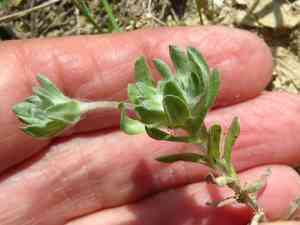
Big-head rabbit-tobacco (Diaperia prolifera)
Also known as: Bighead Pygmy Cudweed, Barneby rabbit tobacco, Rabbit tobacco, Big-headed evax
Diaperia prolifera, commonly known as big-head rabbit-tobacco, is an annual herb native to northern Mexico and parts of the southern and central United States. It requires moderate watering and thrives in well-drained soil with minimal plant competition. This herb is also referred to as dwarf cudweed, pygmy cudweed, and big-head evax.
In This Article
Attributes of Big-head rabbit-tobacco
Lifespan
Annual
Plant Type
Herb
Plant Height
15 cm
Spread
Not applicable (forms mats or small tufts)
Leaf Color
Gray-green
Flower Size
Less than 0.5 inches (1 cm)
Flower Color
White Green
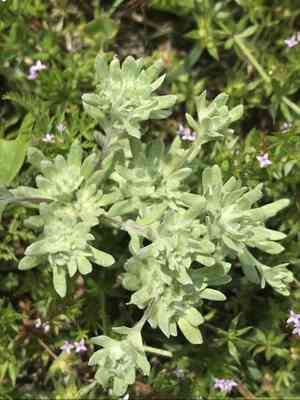
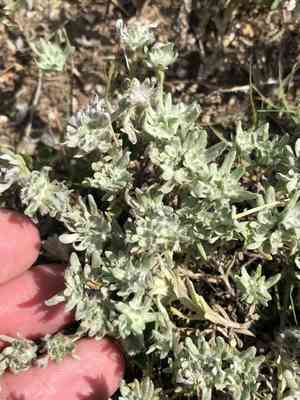
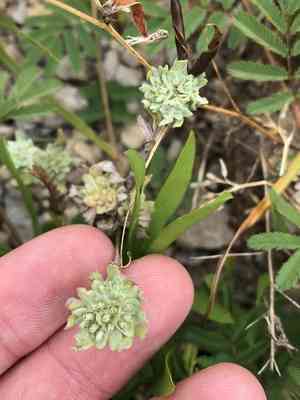
Images of Big-head rabbit-tobacco
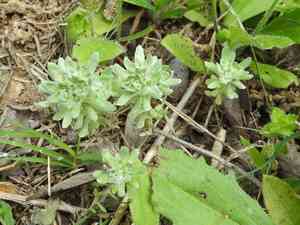
Quickly Identify Big-head rabbit-tobacco
1
Diaperia prolifera can be identified by its woolly, gray-green leaves and small, button-like yellow flowers. The plant is typically found in sandy or rocky soils and often forms mats or small tufts.
Scientific Classification of Big-head rabbit-tobacco
Phylum
Vascular plants
Class
Dicotyledons
Order
Asterales
Family
Daisy
Genus
Dwarf cudweed
Species
Big-head rabbit-tobacco
Planting and Growing of Big-head rabbit-tobacco
Care Difficulty
Hard
Watering Schedule
Every day
Sunlight Requirements
Full sun
Sunshine Duration
4-8 hours
Ideal Temperature
68-77℉
Soil Type
Potting Mix, Peat Mix
Soil pH
6.5-7.5
Fertilizer Type
Balanced
Pruning Season
Spring, Summer
Pruning Area
Branches, Leaves
Pruning Frequency
2 times a year
Repotting Season
Spring
Pot Type
Plastic, Ceramic
 How to Water Big-head rabbit-tobacco?
For Diaperia prolifera, water it with approximately 100ml. Ensure the soil is moderately moist but not waterlogged, allowing the top inch to dry out slightly between waterings. Overwatering can cause root rot, so it's essential to maintain a balance where the plant receives adequate moisture without drowning its roots.
What are the symptoms of an underwatered Big-head rabbit-tobacco?
›
What should I do if my Big-head rabbit-tobacco is not getting enough water?
›
What are the symptoms of an overwatered Big-head rabbit-tobacco?
›
How to save an overwatered Big-head rabbit-tobacco?
›
 What Are the Sunlight Requirements for Big-head rabbit-tobacco?
Diaperia prolifera thrives in full to partial sun environments where it can receive 6 to 8 hours of sunlight. Ideal lighting promotes optimal photosynthesis, resulting in vigorous growth, abundant flowering, and improved plant resilience.
More About Sunlight Requirements Techniques→
What is the ideal lighting for Diaperia prolifera?
›
How can I ensure Diaperia prolifera gets its ideal light?
›
What benefits does ideal lighting bring to Diaperia prolifera?
›
 What Is the Ideal Temperature Range for Big-head rabbit-tobacco?
The ideal temperature range for Diaperia prolifera is between 68°F and 77°F. This range provides optimal conditions for growth, allowing the plant to carry out photosynthesis efficiently and avoiding stress that can be caused by temperatures that are too high or too low. Maintaining this temperature range helps ensure healthy root development and foliage vitality.
 What Soil is Best for Big-head rabbit-tobacco?
Diaperia prolifera thrives best in well-drained soils, which prevent waterlogging and root rot. This need ensures that the roots have ample aeration to absorb nutrients effectively, promoting healthier growth and stronger resilience against pests. While not particularly demanding, Diaperia prolifera benefits from soil that is rich in organic matter. This enhances its growth by providing a steady release of essential nutrients, encouraging robust foliage and enhanced flower production. The plant tolerates a slightly higher pH, favoring levels between 6.5 and 7.5. This pH range ensures optimal nutrient availability, especially calcium and magnesium, which are vital for structural strength and enzymatic functions in the plant.
 How to Fertilize Big-head rabbit-tobacco?
Diaperia prolifera prefers a light hand when it comes to fertilization. Too much fertilizer can easily stress this delicate plant, so it's best to use a diluted solution at a concentration of around 1/4 of the standard dosage for general plants.
 How to Prune Big-head rabbit-tobacco?
Use clean, sharp scissors or pruning shears for precise cuts. This minimizes damage to the plant tissue, reducing the risk of infection and promoting better healing. Focus on trimming back any excessively long or unruly stems. Aim to maintain a balanced shape by removing about one-third of the growth to encourage bushier and denser foliage. Inspect the plant for any signs of dead, discolored, or diseased leaves and stems. Carefully cutting these away helps prevent the spread of disease and keeps the plant looking healthy.
More About Pruning Techniques→
 How to Propagate Big-head rabbit-tobacco plant?
1
Begin by choosing healthy and mature seeds of Diaperia prolifera. Ensure that the seeds are free of any visible damage or decay, as healthy seeds have the highest likelihood of successful germination. It's advisable to get your seeds from a reputable source to guarantee quality.
2
Fill seed trays with a suitable potting mix. Ensure the mix is moistened but not waterlogged. The texture should be crumbly and should allow water to pass through easily. Level the surface gently to create an even planting area while allowing room for excess water to drain.
3
Sow the seeds evenly over the surface of the potting mix. Cover the seeds lightly with a thin layer of the mix or vermiculite to ensure they remain moist. Lightly mist the surface with water to settle the soil and provide initial moisture essential for germination.
 How to Repot Big-head rabbit-tobacco plant?
1
Signs that Diaperia prolifera needs repotting include stunted growth, roots growing out of the drainage holes, and soil quickly drying after watering. The ideal time for repotting is in spring or summer when the plant is actively growing, allowing it to recover quickly from the repotting process.
2
Select a pot that is just one size larger than the current one, ensuring it has good drainage holes. A slightly larger pot prevents over-watering issues and allows roots more space to spread, supporting healthy growth. Choose a breathable material like terracotta for enhanced aeration.
3
Opt for a well-draining sandy soil mix, which mimics the plant's natural environment. The right soil reduces the risk of root rot and ensures nutrients are efficiently accessed by the roots, promoting robust growth and minimizing excess moisture retention.
Learn More About Big-head rabbit-tobacco Diseases
Anthracnose
Bacterial Leaf Spot
Bacterial Soft Rot
Bacterial Wilt
Black Spot
Chemical Injury
Crown Gall
Cyst Nematode
Damping-off
Downy Mildew
Drought Stress
Fusarium Wilt
Gray Mold
Leaf Curl
Leaf Spot
Mosaic
Nutrient Deficiency
Nutrient Toxicity
Powdery Mildew
Root Rot
Root-knot Nematode
Rusts
Sooty Mold
Spider Mites
Temperature Stress
Thrips Damage
White Mold



